


Mineral
Pro-Chemicals
Polymers
Chemicals
Bitumen
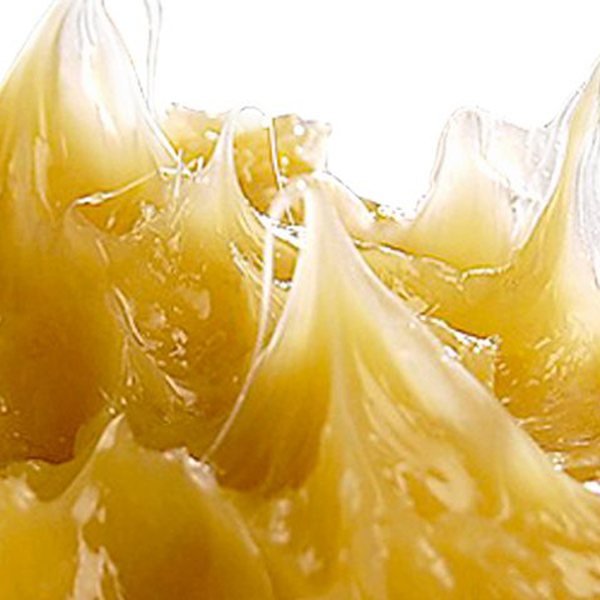
Slack Wax
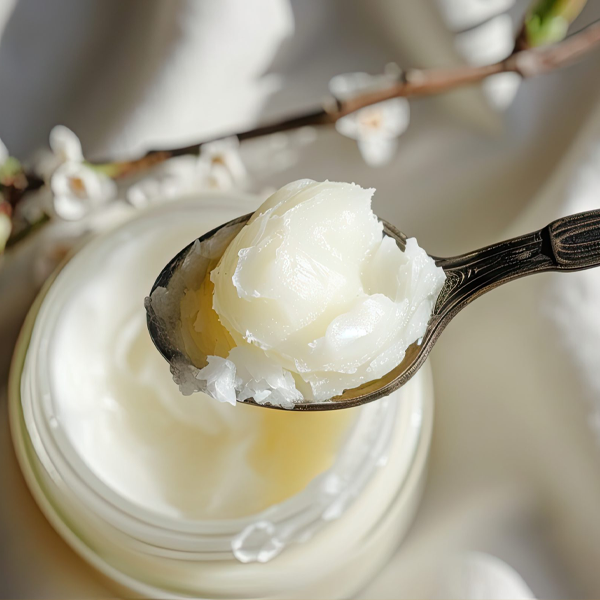
Petroleum Jelly
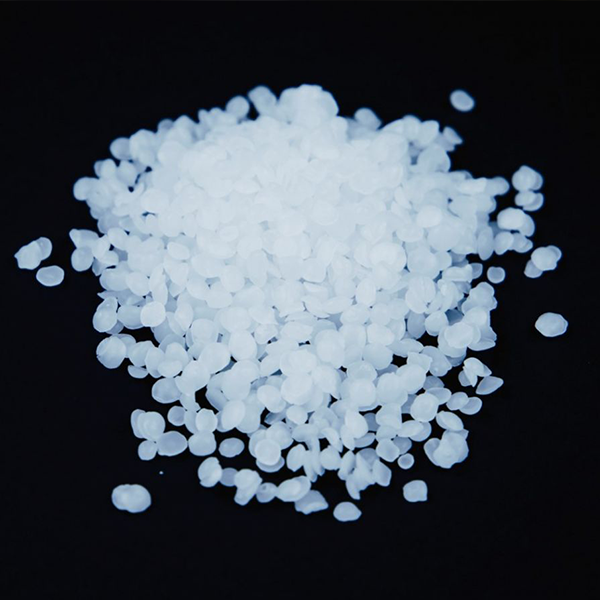
Paraffin Wax
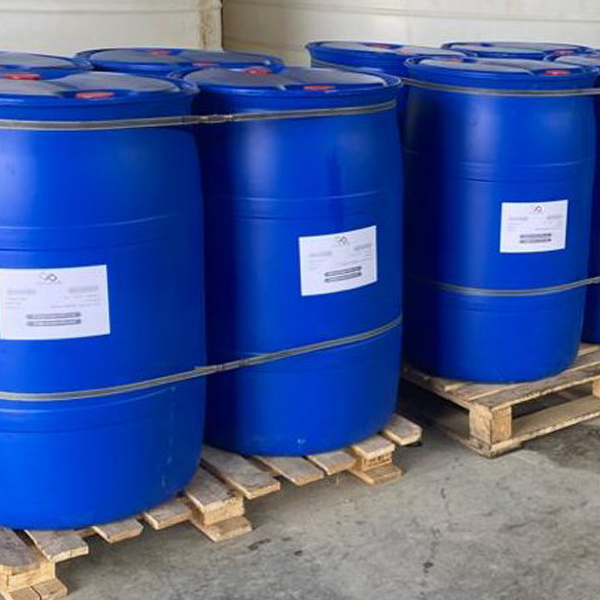
Liquid Paraffin
CMC (Carboxy Methyl Cellulose)
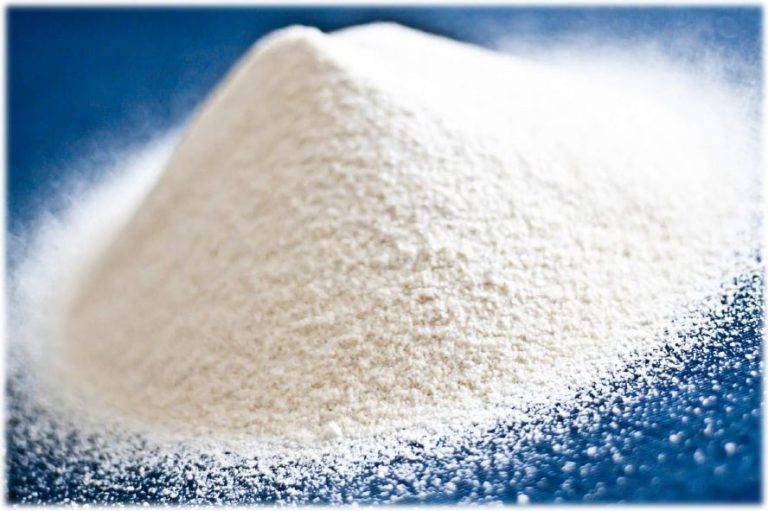
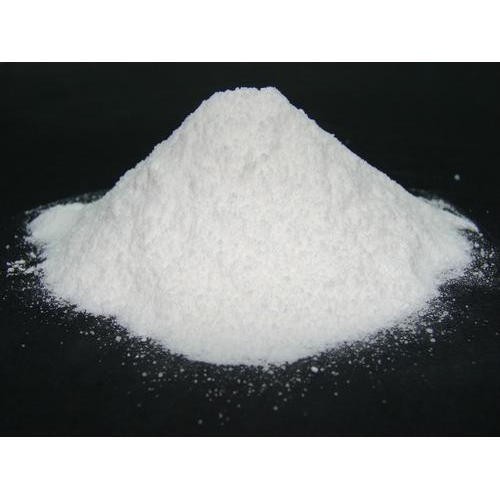
CMC or Carboxy methyl cellulose is produced in different grades and its capabilities can be called colorless, odorless and unpleasant. CMC has good properties against microbes compared to other materials and can maintain its properties in different conditions. CMC has a good solubility in cold water. CMC has viscosity and concentration characteristics and prevents crystal growth. Also, CMC is an effective factor in dealing with hydrolysis, heat, oxidation and biological degradation.
Ethyl Acetate
Ethyl acetate (also known as acetic acid ethyl ester), acetic ether, acetoethane and ethyl acetate is an organic compound with the chemical formula C4H4O2. Ethyl Acetate is a clear, colorless liquid that smells like fruit and is similar to some glues or lacquers. Ethyl Acetate is highly flammable and its ignition temperature is -4 degrees Celsius. Increasing the temperature increases its solubility in water. Ethyl Acetate is important as one of the best solvents with low boiling point and high evaporation rate
Ferric Chloride
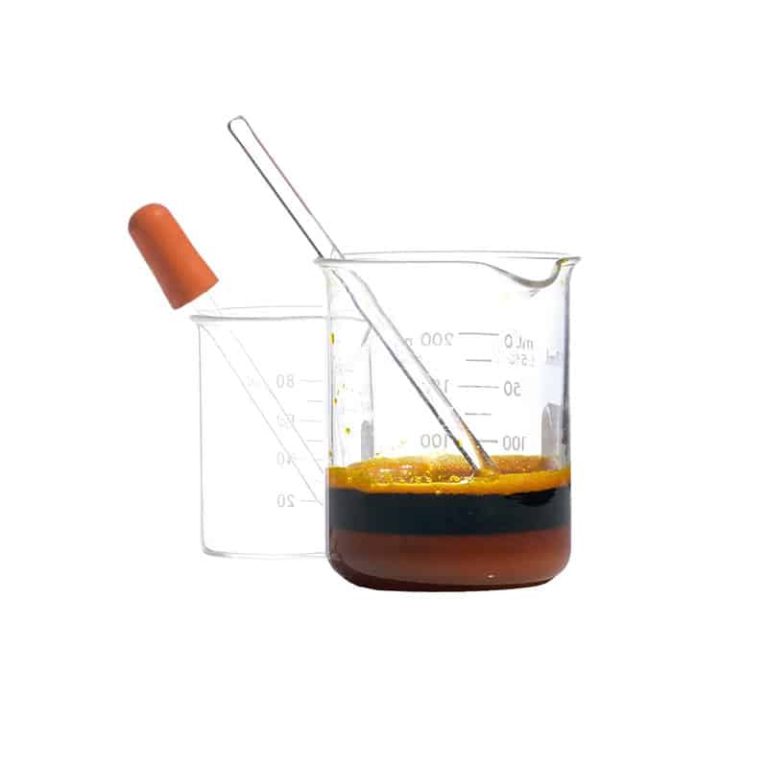
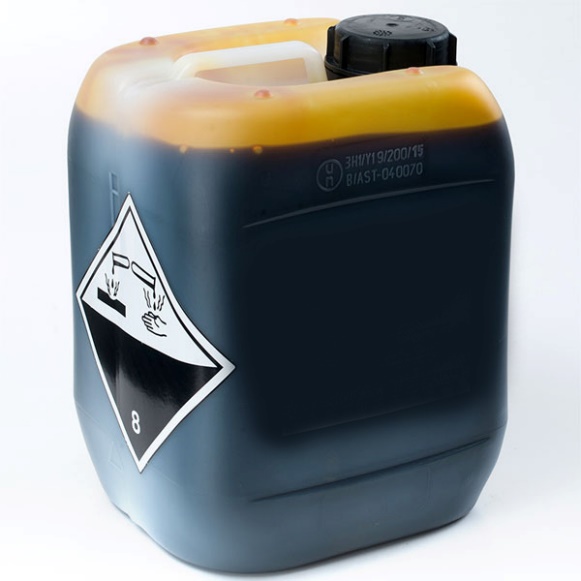
Ferric chloride, also called Iron (III) chloride is an industrial scale commodity chemical compound, with the formula FeCl3 and with iron in the +3 oxidation state. Color of Ferric Chloride is dark green to brown according to the transmitted light and viewing angle. Ferric Chloride liquid is produced from the combination of chlorine and iron or its derivatives (chloride acid).
Hydrochloric acid (HCl 33%)
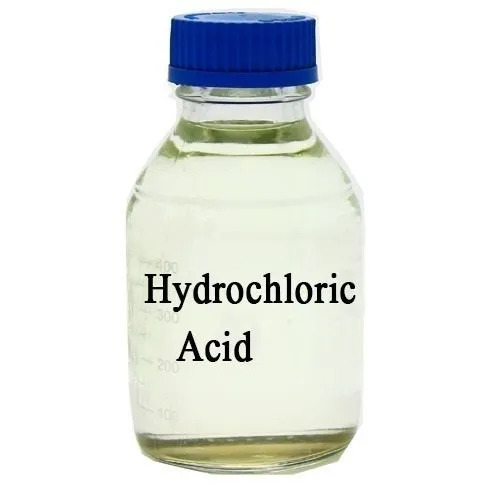
Hydrochloric acid is a corrosive, strong mineral acid with many industrial uses. A colorless, highly pungent solution of hydrogen chloride (HCl) in water, when it reacts with an organic base it forms a hydrochloride salt. Hydrochloric acid was known to alchemists as spirits of salt or acidum salis (salt acid).
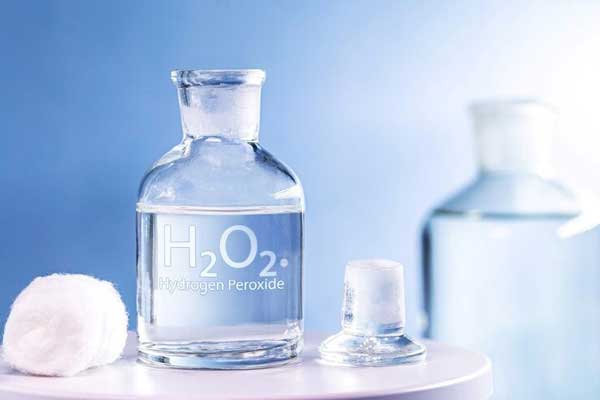
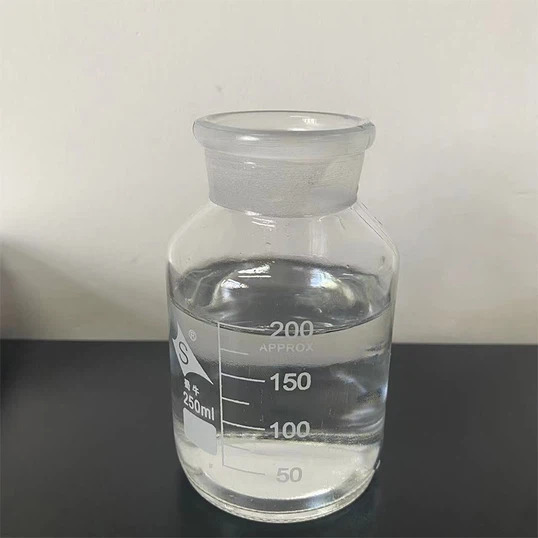
Hydrogen Peroxide (H2O2)
Hydrogen peroxide is a chemical compound with the formula H2O2. In its pure form, it is a colorless liquid, slightly more viscous than water. Hydrogen peroxide is the simplest peroxide (a compound with an oxygen–oxygen single bond). It is used as an oxidizer, bleaching agent and disinfectant. Concentrated hydrogen peroxide, or “high-test peroxide”, is a reactive oxygen species and has been used as a propellant in rocketry. Its chemistry is dominated by the nature of its unstable peroxide bond. Hydrogen Peroxide is producing from from the combination of hyper oxides with dilute sulfuric acid. The combination of anthranicone with hydrogen in the vicinity of a catalyst palladium is making H2O2, as well.
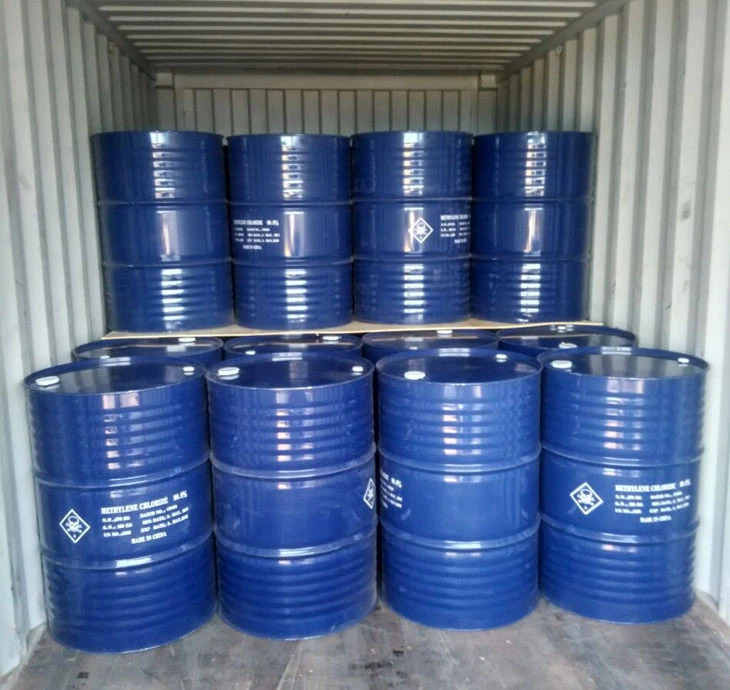

Isopropyl Acetate
Isopropyl acetate is a colorless liquid with a specific odor similar to that of fruit. It is an organic compound that is the product of acetic acid and isopropanol. Molecular formula of Isopropyl Acetate is C5H10O2. Isopropyl Acetate is stable at normal temperatures and pressures and is incompatible with alkali metal hydroxides such as sodium hydroxide, nitric acid and strong oxidants. Isopropyl acetate is produced by a high purity reaction reaction between acetic acid and isopropanol. Of course, since this reaction consumes a lot of energy, a different heat distillation process is proposed to reduce costs and save energy.
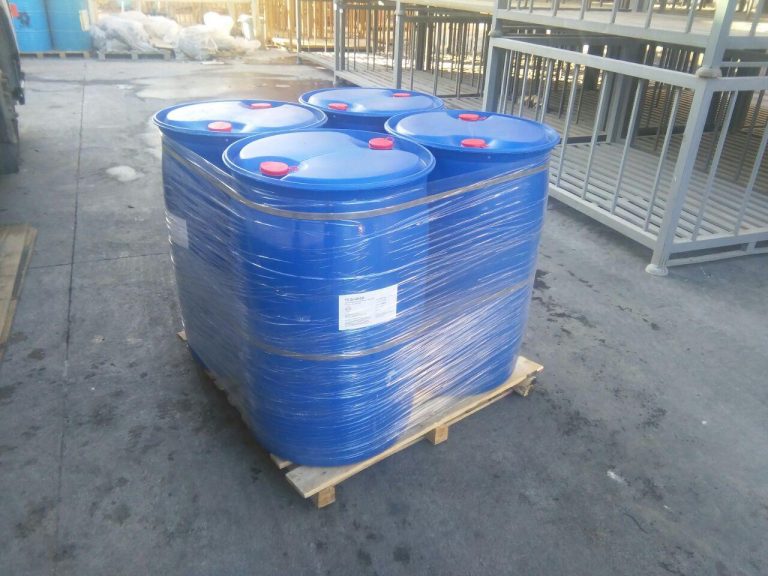
LABSA
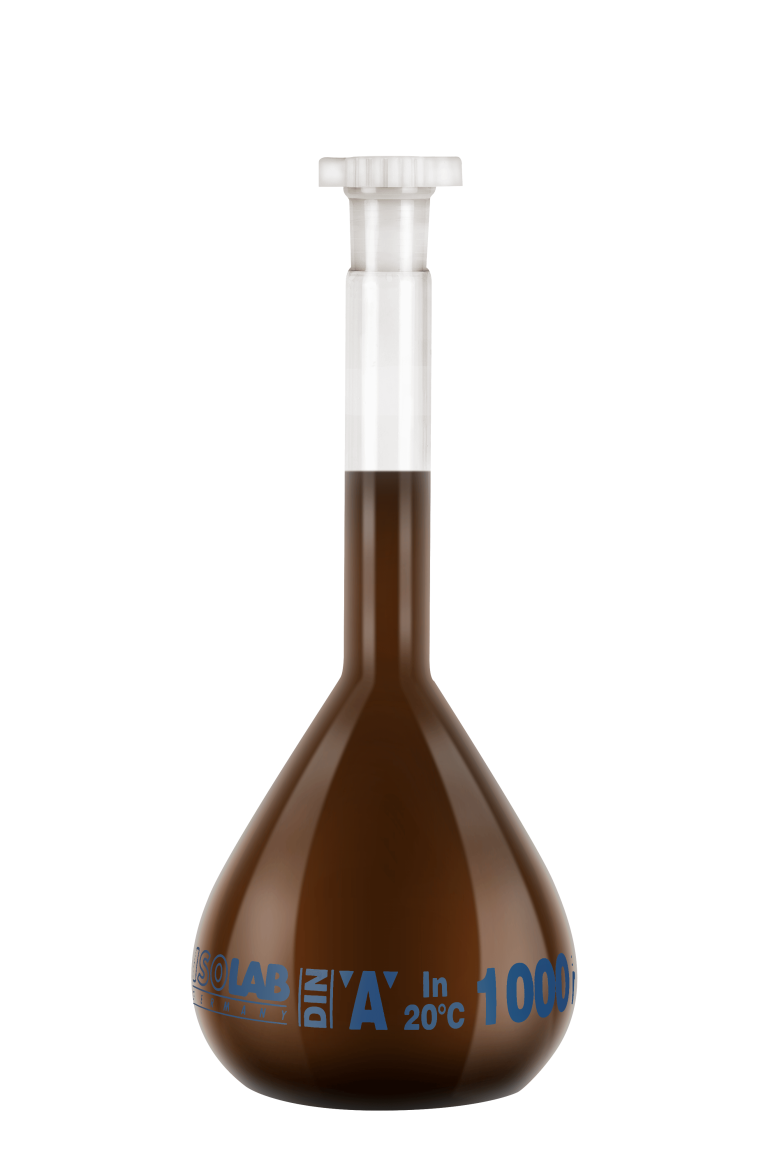
LABSA is a batch of organic sulfur compounds that are used as an anionic surfactant in most home detergents such as dishwashing detergents and washing powders. LABSA compound is used as a cleaning agent, foaming agent and sponge cleaner in more formulations.
For the production of LABSA alkaline benzene linear sulfation is usually used. And its ingredients Linear Alkyl benzene, Oxygen, Sulfur and Citric Acid.
MCA (Mono chloroacetic acid)
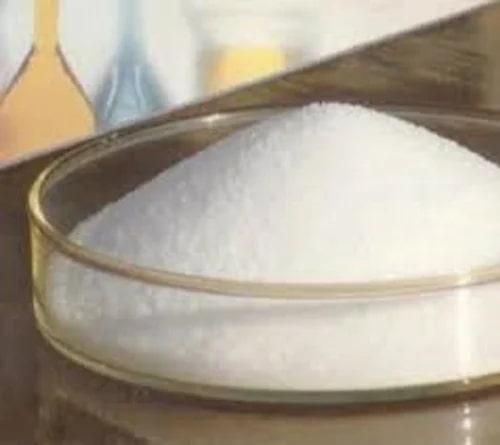
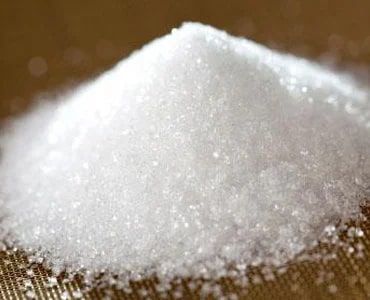
MCA (Mono chloroacetic acid), with the chemical formula CClH2COOH, is a carboxylic acid formed by combining chlorine with acetic acid. It is a colorless and amorphous solid. MCA is highly soluble in water and also in more organic solvents, it is expected, as its structural formula suggests, to be useful with groups that are likely to react. Pure MCA or mono chloroacetic acid is available in molten state as flakes or dissolved in water, ethanol and methanol. At room temperature, MCA solids appear as a hydroscopic crystalline substance with a distinct acidic odor.
MEA (Mono Ethanol Amine)
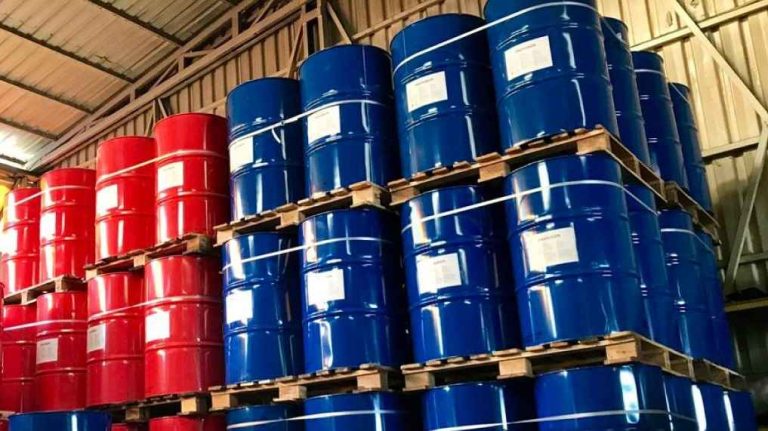
MEA (Mono Ethanol Amine) , It is a chemical compound with the formula C2H7NO. MEA (Mono Ethanol Amine) compound has alcohol and amine functional groups, and MEA (Mono Ethanol Amine) naturally found in living natural tissues.Its special physical and chemical properties have caused MEA in many applications in various industries such as detergent, gas and coal industries, pharmaceutical industries and many other chemical industries. Sometimes MEA is seen in yellow or brown color. The reason for this is the absorption of moisture and the reaction of MEA (mono ethanol amine) with carbon dioxide in the air in the vicinity of light.
Methyl Acetate
Methyl acetate is a clear, colorless liquid with a common ester odor similar to nail polish removers and adhesives. The flash point of Methyl acetate is -10 degrees Celsius and its degree of flammability is very high. The solubility of methyl acetate in water at room temperature is 25%, and its solubility in water increases with increasing temperature. Methyl acetate is not stable in the presence of strong aqueous bases or aqueous acids.
PEG 300
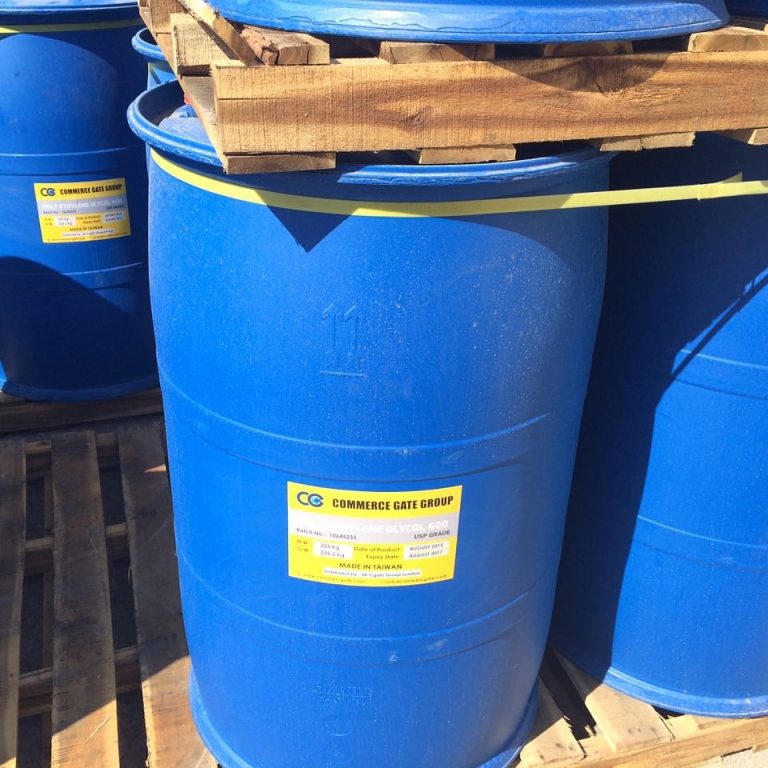
PEG 300 (Polyethylene glycol 300) is condensation polymers of ethylene oxide and water with the general formula OH n(OCH2CH2) H. This polymer is the most important commercial type of polyether. PEG 300 is colorless, odorless, viscous liquid with a melting point of about 10-C (diethylene glycol), while polymerized compounds with a molecular mass of more than 1000 are waxy solids with a melting point of about C ˚67 (for n = 180). PEG 300 has diverse applications, while their chemical properties are almost similar. PEG 300 is soluble in water, methanol, benzene and dichloromethane and insoluble in diethyl ether and hexane.
PEG 4000
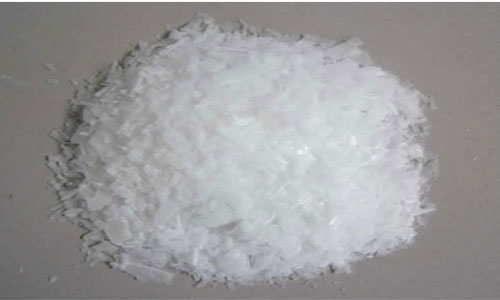
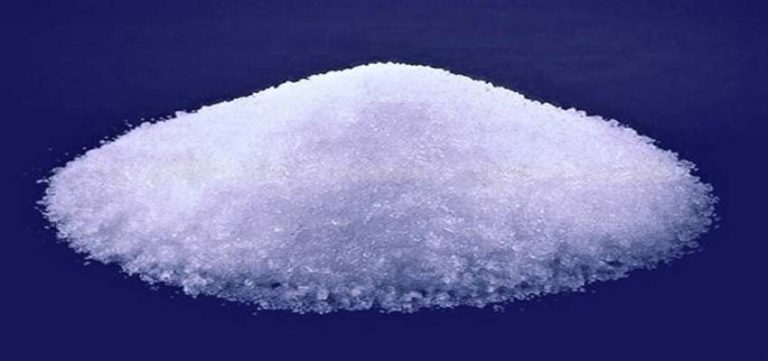
PEG 4000 (Polyethylene Glycol 4000) is a molecular grade of polyethylene glycol. PEG 4000 is a waxy solid with a melting point of approximately 60°C. Due to its low toxicity, PEG 4000 is widely used in various pharmaceutical formulations. Polyethylene glycols are produced from liquid ethylene oxide and water and have different derivatives.
