


Mineral
19 products
Pro-Chemicals
19 products

Polymers
2 products

Chemicals
18 products
Bitumen
7 products
Slack Wax
4 products
Petroleum Jelly
2 products
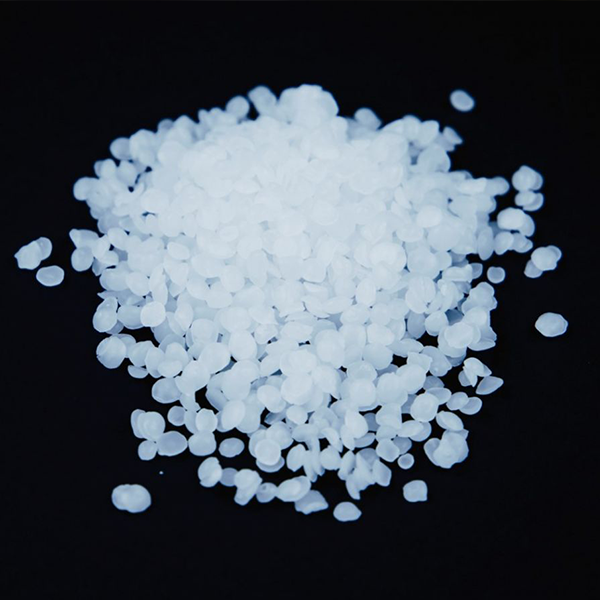
Paraffin Wax
13 products
Liquid Paraffin
5 products
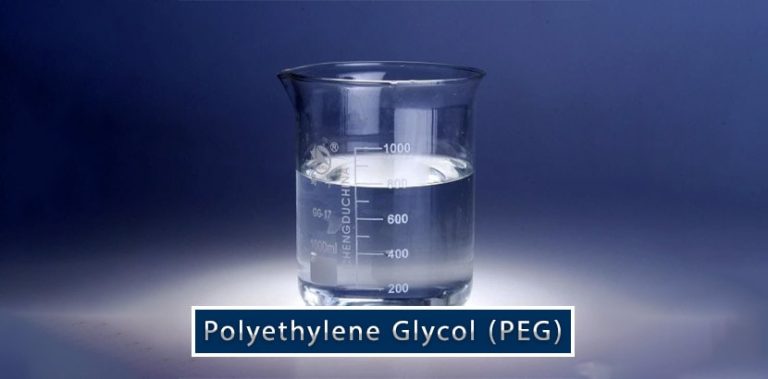
Polyethylene Glycol
Polyethylene Glycol (PEG) is a polyether compound with many applications from industrial manufacturing to medicine. PEG is also known as polyethylene oxide (PEO) or polyoxyethylene (POE), depending on its molecular weight. The structure of PEG is commonly expressed as H−(O−CH2−CH2)n−OH. Polyethylene Glycol or PEG has been examined extensively as a drug-delivering vehicle because of its solubility in both organic and hydrophilic solvents. In contrast to many other synthetic polymers, Polyethylene Glycol (PEG) is relatively hydrophilic and can be conjugated to other polymers to make them less hydrophobic. Increasing surface hydrophilicity allows for cell adhesion and proliferation on biomaterial scaffolds by preventing protein adsorption, a process by which proteins denature and adhere to the outer layer of biomaterials.
Sodium Bicarbonate
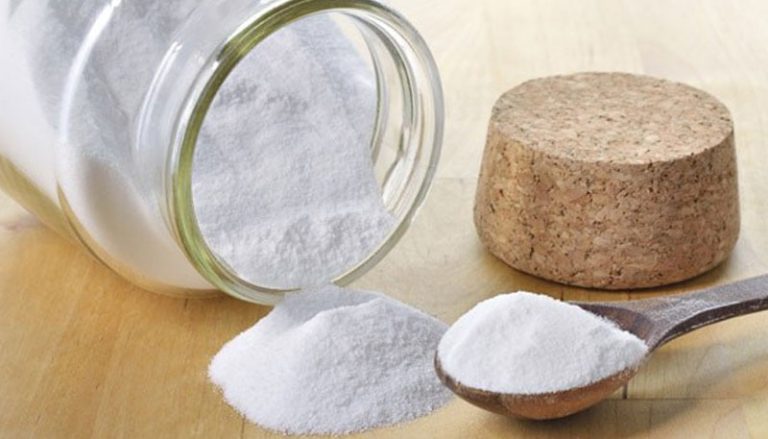
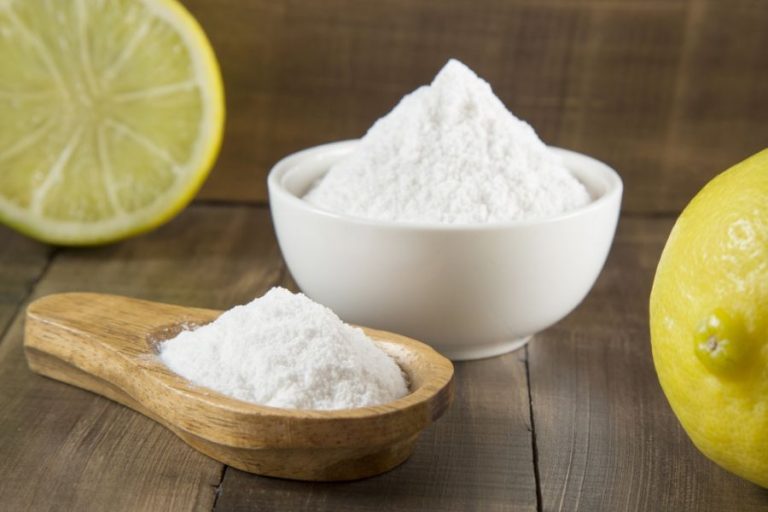
Sodium bicarbonate or Baking soda is one of sodium salts in combination with carbonic acid, where only one acidic hydrogen of this compound has been replaced by sodium. Sodium bicarbonate in solid state, in the form of granules or crystalline powders, with white color, odorless, has properties It is alkaline and slightly soluble and dissolves in ethanol in a small amount. Sodium bicarbonate absorbs moisture and deodorizes. In another definition, we should say that baking soda or sodium bicarbonate is one of the sodium salts combined with carbonic acid, where only one acidic hydrogen of this compound has been replaced by sodium.
Sodium Metabisulfite
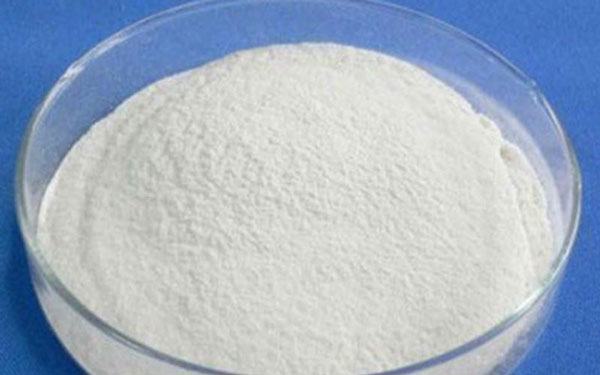
Sodium metabisulfite, disodium salt which represent an inorganic compound that is used as a yellowish white powder in various industries. Sodium metabisulfite has high antiseptic properties and oxidizes rapidly in contact with air humidity. One of the most important features of Sodium metabisulfite is the presence of sodium, hydrogen, oxygen and sulfur in it, and their entry into the water will severely damage aquatic animals.
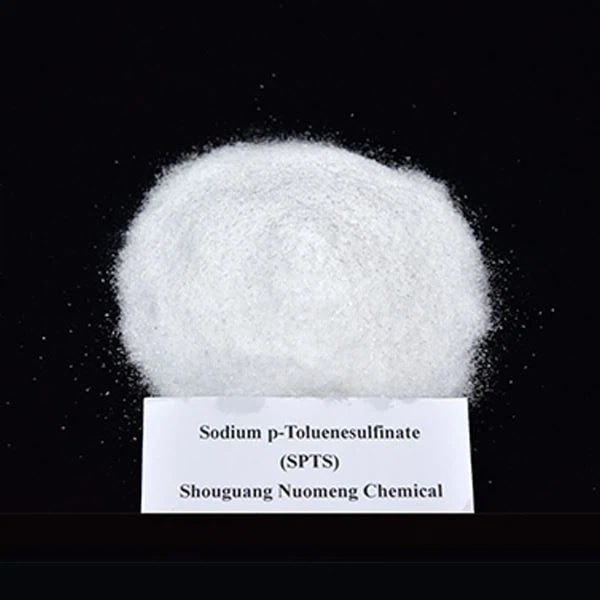
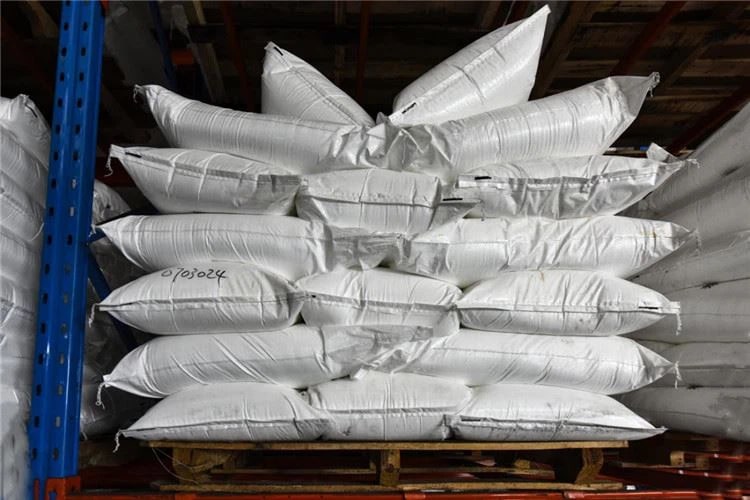
Sodium Toluene Sulphonate STS
Sodium Toluene Sulphonate STS as a white powder with a purity of 70 and 90% and is completely soluble in water. Sodium Toluene Sulphonate STS considered a part of the hydrotropes category. Hydrotropes are added to the formulation in liquids to ensure the stability of the final product during storage and ensure solubility. Sodium Toluene Sulphonate STS using for ensuring the stability of the final product during storage and ensuring solubility in liquids. Sodium Toluene Sulphonate STS use to reduce the cloud point of the liquid Preventing two phases of the liquid.
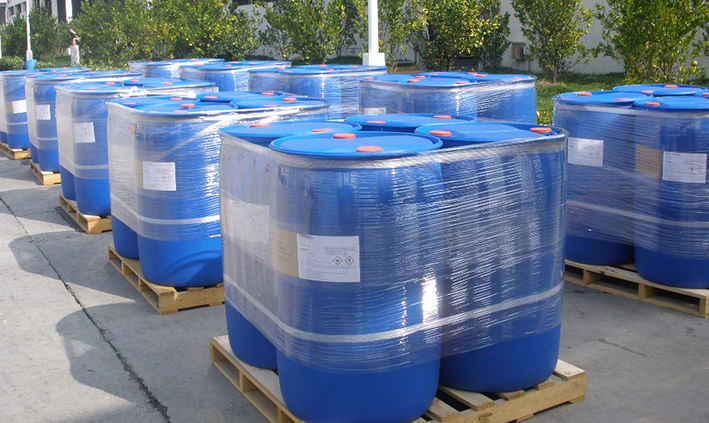
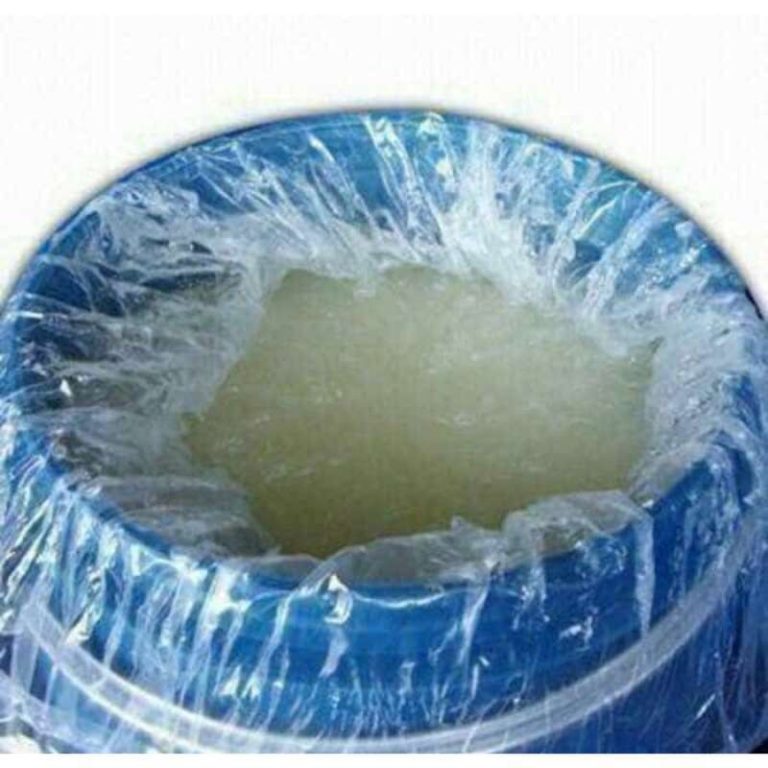
Texapon N70 | SLES 70% | Sodium Lauryl Ether Sulfate
TEXAPON N70 or SLES 70% is a highly concentrated sodium lauryl ether sulphate derived from natural fatty alcohols. Due to its high content of washing active substance, TEXAPON N70 is particularly suited for highly Concentrated endproducts, or if raw materials with a lower water content are required. When diluted with water, TEXAPON N70 or SLES 70% shows gel structures which are typical of ether sulphates. After the addition of water, the viscosity first increases rather rapidly, and after a reduction of the active Substance to a level below 30 %, it decreases considerably. Liquid, stable solutions are obtained up to 28 % of the active substance. At higher concentrations the product becomes pasty.
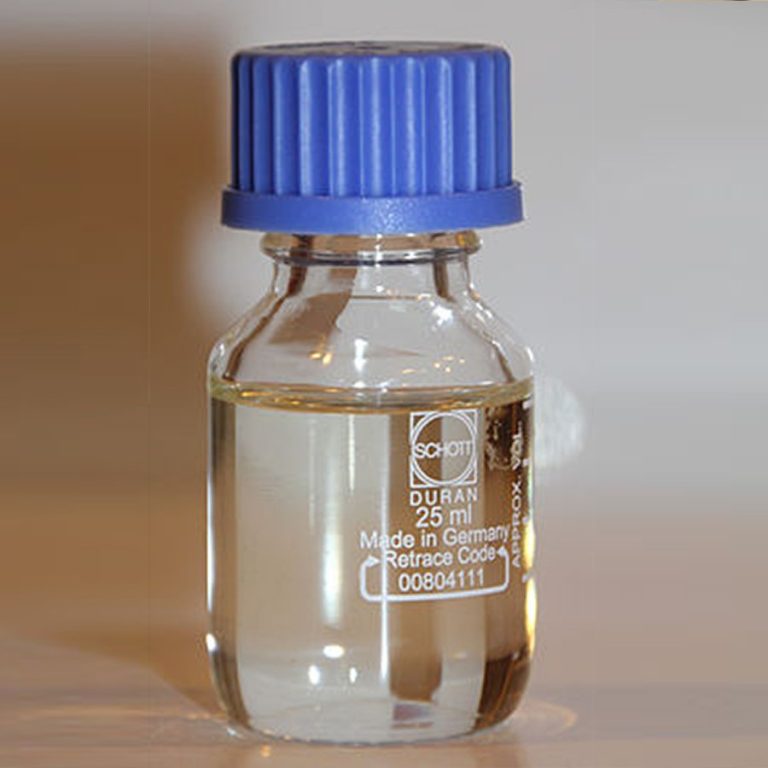
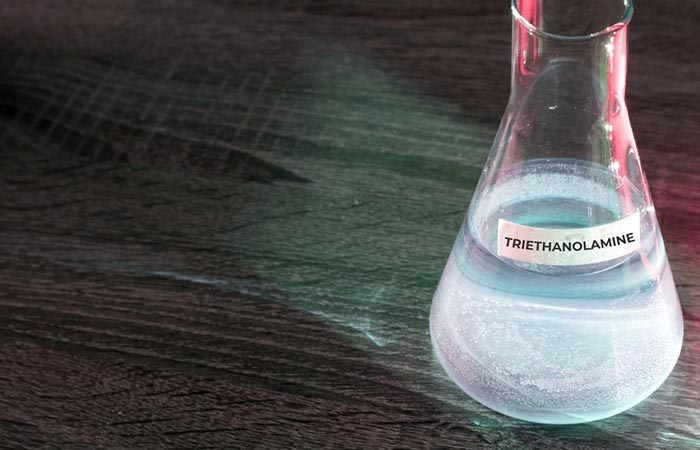
Triethanolamine
The ethanolamine family contains monoethanolamine, diethanolamine and triethanolamine, which are widely used. These chemicals have the characteristics of alcohols and amines, and therefore have the capacity to react with both groups. As amines, they are intermediates and react with acids to form salts and soaps, and they are hydrophilic and can be sterilized as an alcohol.
Tri Ethanol Amine, often abbreviated as TEA, is a viscous organic compound that is both a tertiary amine and a triol. A triol is a molecule with three alcohol groups. Triethanolamine is a strong base. Triethanolamine can also be abbreviated as TEOA, which can help to distinguish it from triethylamine.

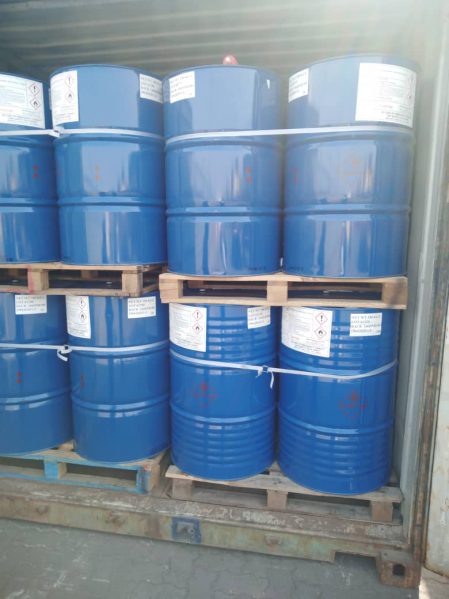
Xylene
Xylene is a colorless liquid and vapor. Xylene is not soluble in water and will float on top of denser water if combined. It is flammable at room temperature. It was named after xylong, the Greek word for wood, because it was found in crude wood spirit. The chemical formula for xylene is C8H10, or more specifically (C6H4)(CH3)2. Other synonyms for xylene are dimethyl benzene, methyl toluene and mixed xlenes. Xylene’s structure consists of two methyl groups attached to a six-carbon ring. There are three main isomers of xylene, called ortho-xylene, meta-xylene and paraxylene. A fourth isomer is ethylbenzene. Meta-xylene is a main component of commercial-grade Xylene. Paraxylene boasts a number of uses in the polymer industry. Xylene is heavier than air. It is a volatile liquid giving off its gas. The nauseatingly sweet smell of xylene serves as a warning for its toxic nature. This smell can be detected in air concentrations as low as one part per million (PPM) Xylene can react with strong acids and oxidizers.
