


Mineral
19 products
Pro-Chemicals
19 products
Polymers
2 products
Chemicals
18 products
Bitumen
7 products
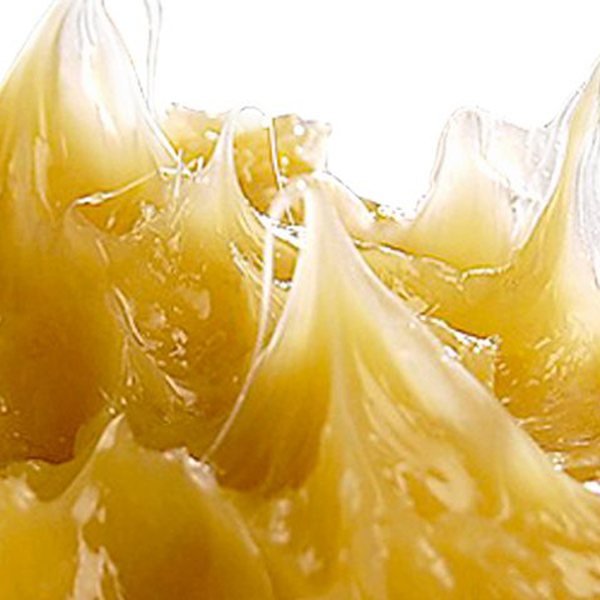
Slack Wax
4 products
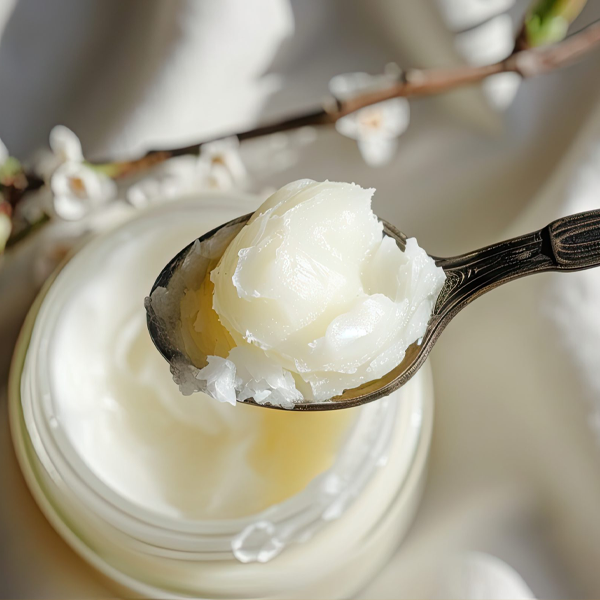
Petroleum Jelly
2 products
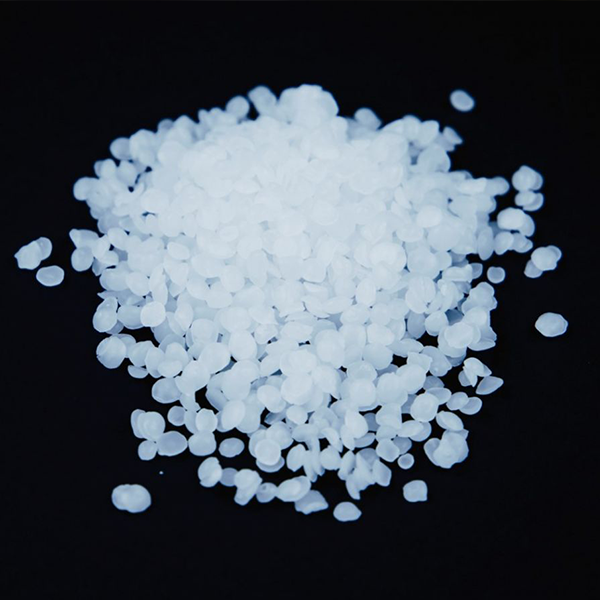
Paraffin Wax
13 products
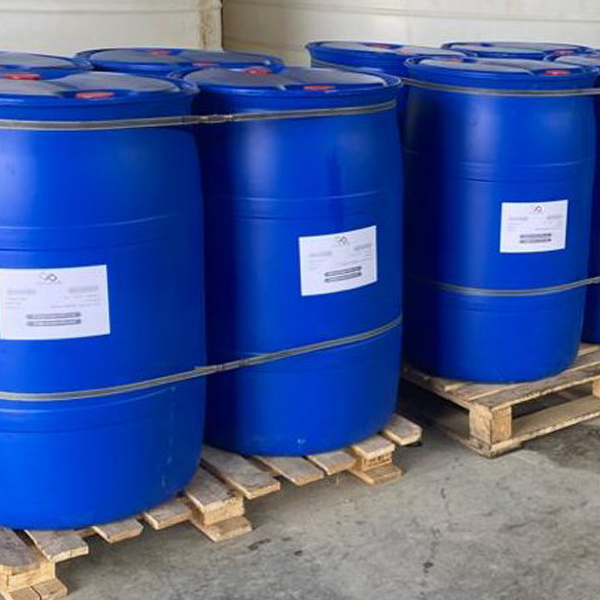
Liquid Paraffin
5 products
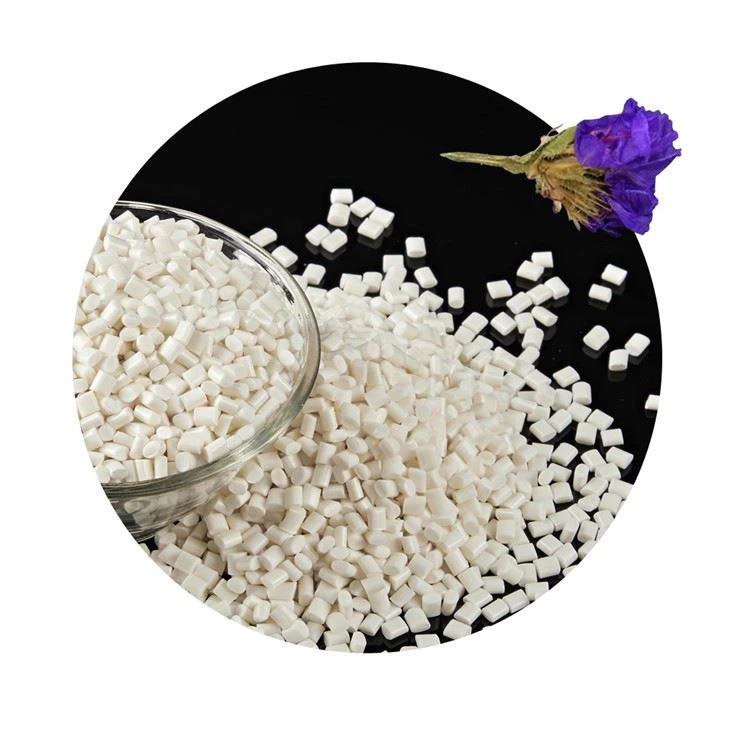
ABS N50
ABS N50 or acrylonitrile butadiene styrene is produced in several grades. ABS N50 can be ordinary, heat resistant or flame retardant and workable. ABS N50 is one of the ABS grades that has moderate impact resistance, also ABS N50 granules have the ability to deform. ABS N50 has some features, such as medium impact resistance, medium fluidity, scratch resistant, chemical resistance, high thermal resistance.
Aluminum Sulfate
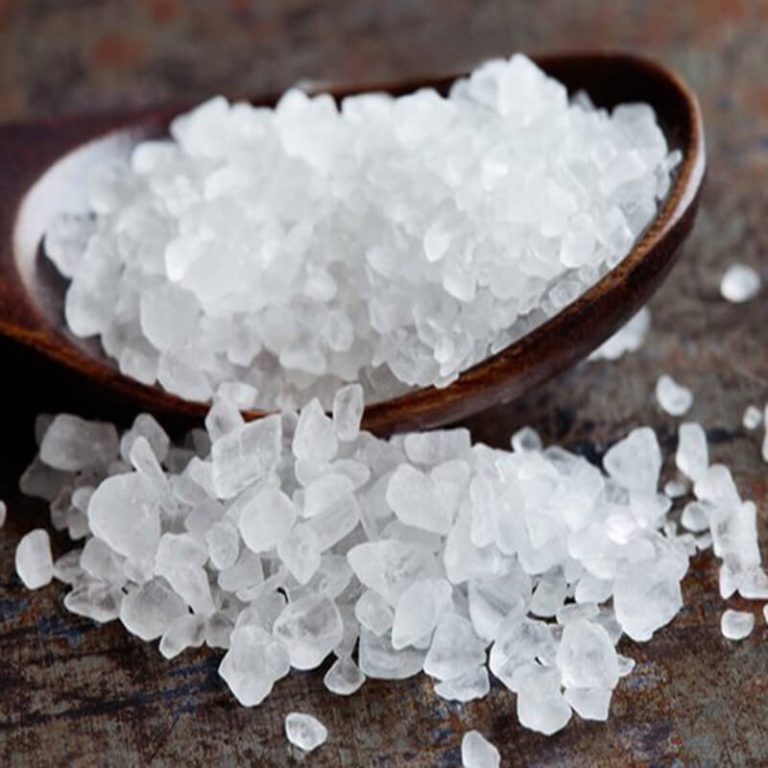
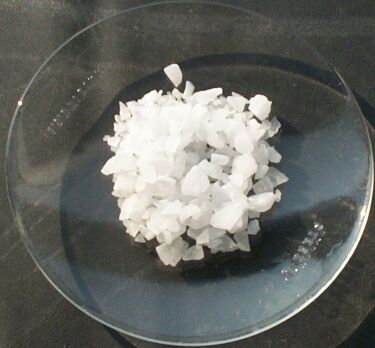
Aluminum sulfate , is a chemical compound with the chemical formula Al2 (SO4) 3.
The production of aluminum sulfate is carried out in a process of reacting sulfuric acid with a juice solution containing alumina or aluminum hydroxide. Aluminum sulfate , is soluble in water and is a major use of aluminum sulfate as a coagulant in drinking water treatment. Aluminum sulfate is commonly referred to as a type of alum. Alums are two sulfate salts.
Ammonium Sulfate
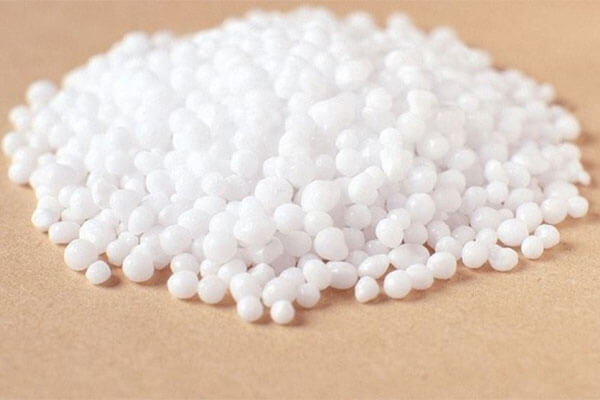
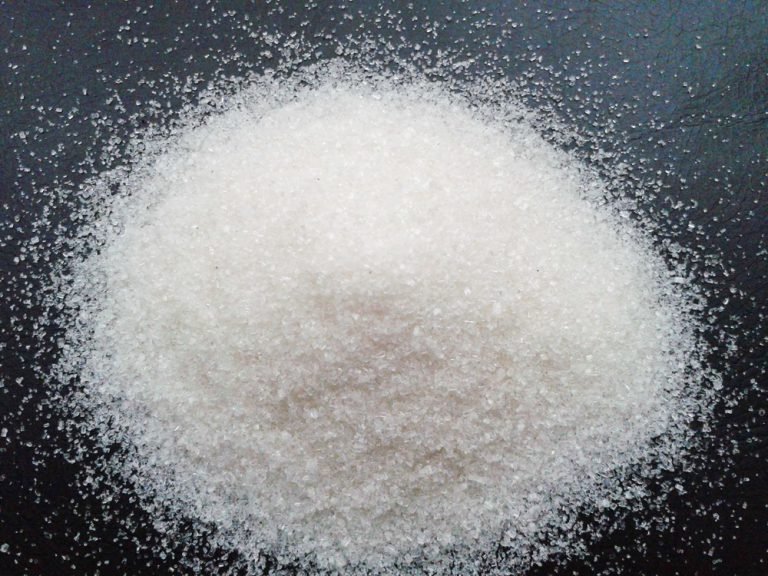
Ammonium sulfate is an inorganic salt with a molecular formula of NH4 (2SO4) and a molar mass of 132.14 g/mol. Ammonium sulfate composition contains 21% of nitrogen and 24% of sulfurammonium sulfate, which is why it is a good chemical for making chemical fertilizers. Other names of this mineral salt are ammonium sulfur, ammonium tetraoxosulfate, diammonium sulfate, mascagnite and actamaster. Due to its ionic structure, ammonium sulfate is highly soluble in water and increases the conductivity of water. Ammonium sulfate compound is a white, odorless solid at room temperature, and when dissolved in water, it lowers its pH to 5 and 6. This property of low acidity leads to its use in pH regulation.
Astragalus Honey
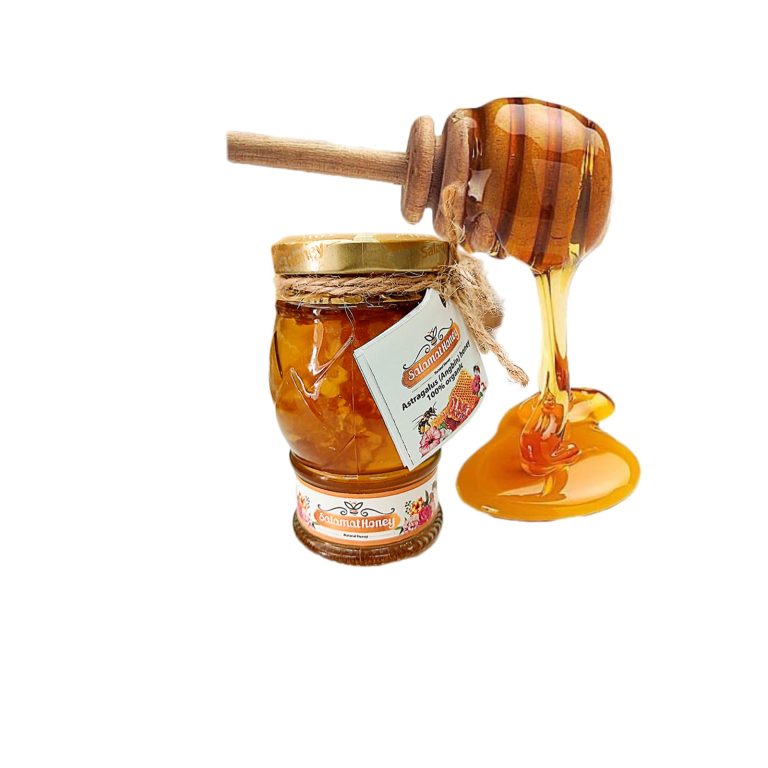
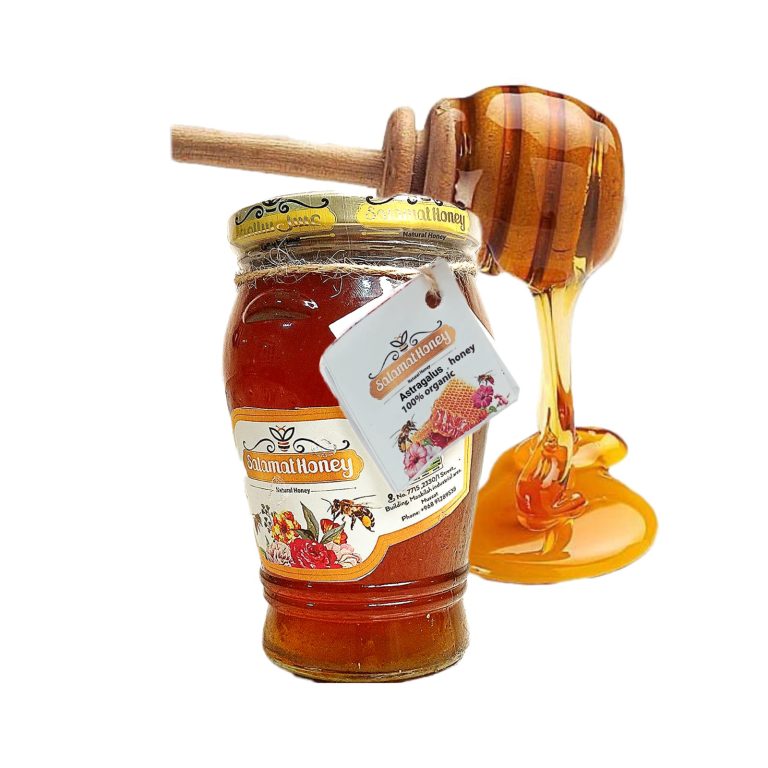
Price range: 2.000 ر.ع. through 6.100 ر.ع.
Ball Clay
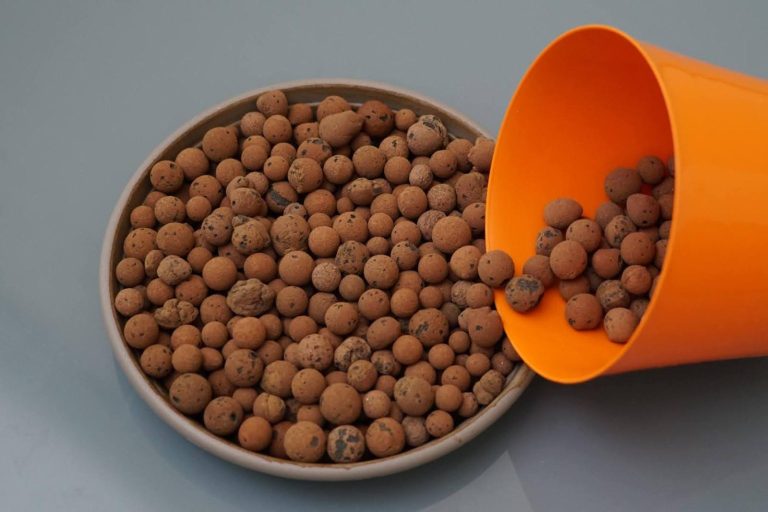
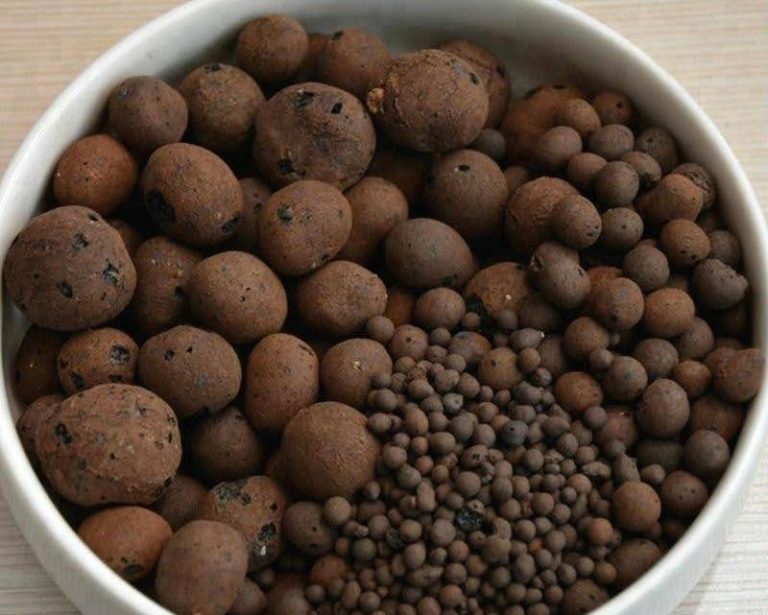
Ball Clay, an extremely rare mineral that is found in a few places in the world and is the second most important plastic material in the ceramic industry after kaolin. Ball Caly is easily molded and after baking at high temperature, Ball Clay turns white or close to white, and therefore it can be rightly called one of the useful threads in the ceramic industry. Ball Clay is a type of sedimentary rock that contains kaolinite and a small amount of illite, chlorite and montmorionite. Found with most organic compounds. Ball Clay sometimes found with coal seams. Ball Caly is used in sanitary ceramics, electric porcelain, all kinds of tiles, tableware, handicrafts and refractories.
Bentonite
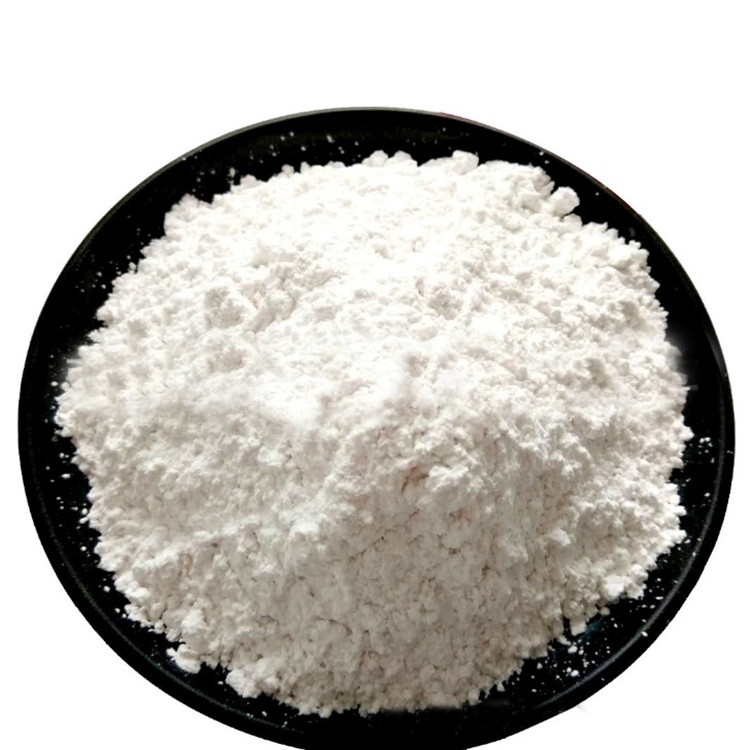
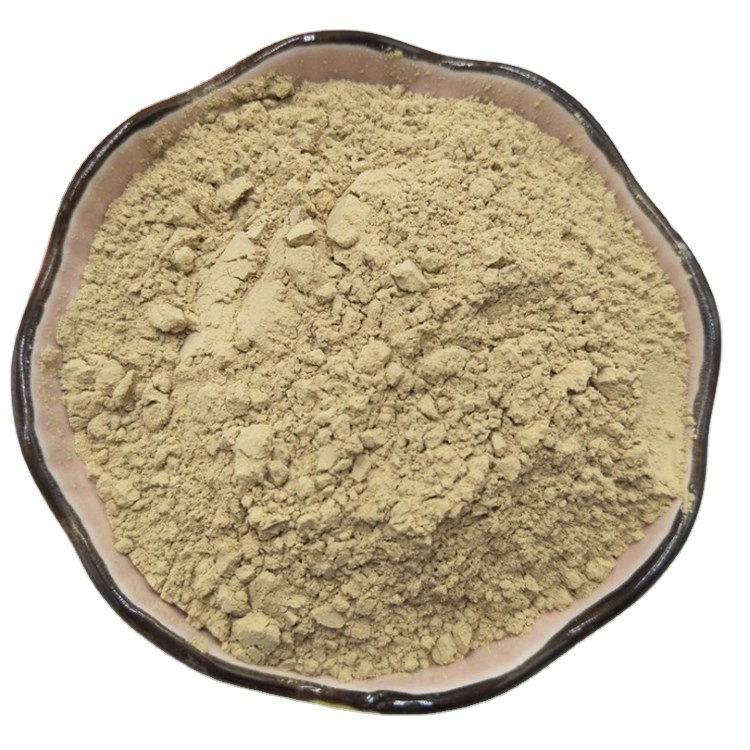
Bentonite is a clay generated frequently from the alteration of volcanic ash, consisting predominantly of smectite minerals, usually montmorillonite.Depending on the nature of their genesis, bentonite contain a variety of accessory minerals in addition to montmorillonite. These minerals may include quartz, feldspar, calcite and gypsum. The presence of these minerals can impact the industrial value of a deposit, reducing or increasing its value depending on the application. Bentonite presents strong colloidal properties and its volume increases several times when coming into contact with water, creating a gelatinous and viscous fluid. The special properties of bentonite (hydration, swelling, water absorption, viscosity, thixotropy) make it a valuable material for a wide range of uses and applications.
Iran chemical mine is a supplier of Bentonite products to serve our customers.
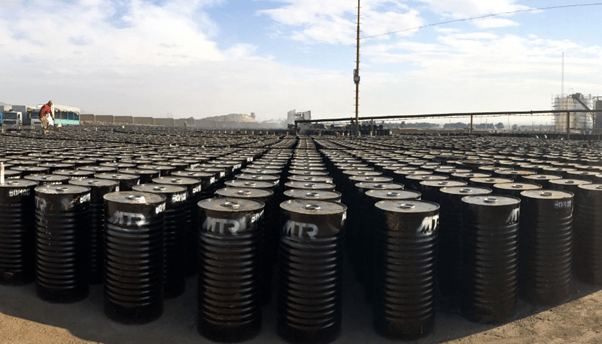
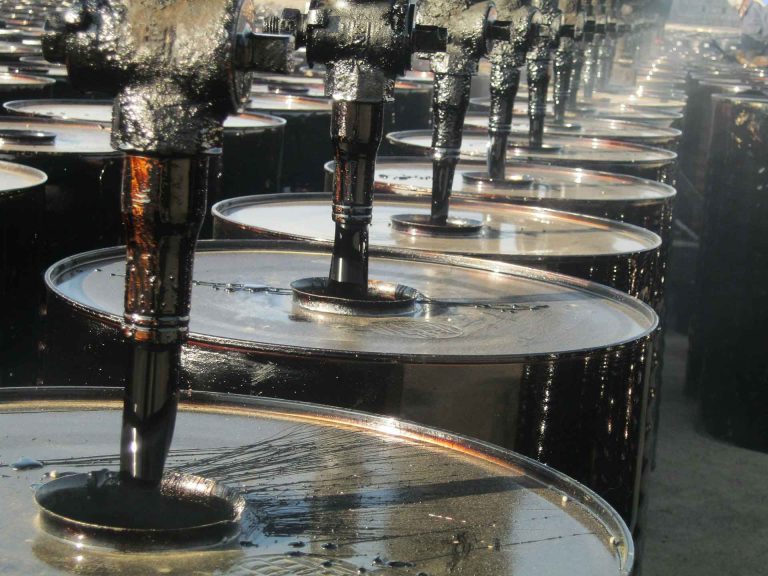
Bitumen 60/70
Bitumen 60/70 is a type of penetrating bitumen. Infiltration bitumens or road grade, which are mostly used for asphalt production in the road construction industry, are obtained by performing an aeration process on the bottom of the distillation tower, known as vacuum baton, so that its permeability is between 60 and 70. Condition bitumen 60/70 depends on its temperature. The relationship between temperature and hardness of bitumen depends on the type of crude oil and its refining method, and the degree of permeability of this bitumen is between 6 to 7 mm, a degree of semi-hard permeability and as a heavy bitumen and suitable for road construction and repair.
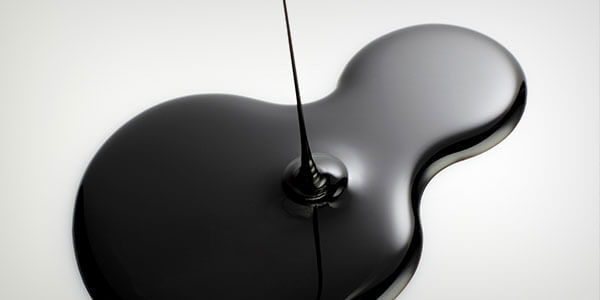
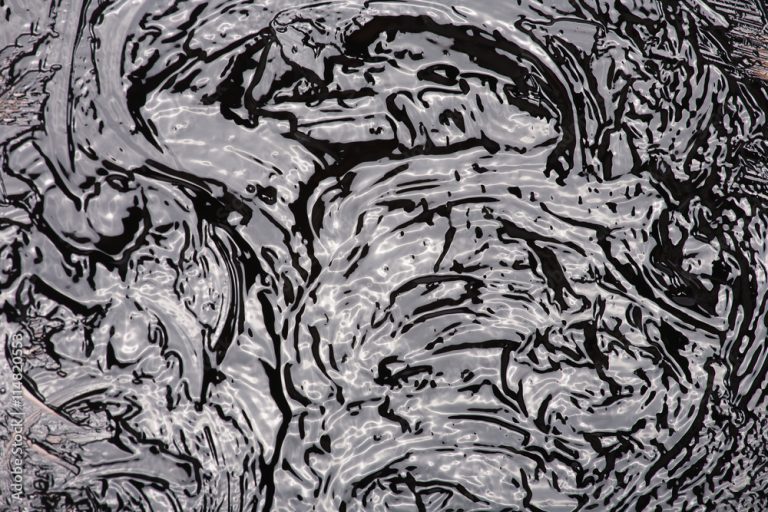
Bitumen 80/100
Bitumen 80/100 is a standard bitumen of the type of penetrating bitumen, which is usually known as road grade bitumen and has excellent properties for road construction and construction of asphalt and road coating. Bitumen 80/100 is mainly used in making hot asphalt mixture. Penetration grade bitumen such as bitumen 80/100 are petroleum bitumen obtained from the distillation of crude oil. Basically, bitumen 80/100 is prepared from the remains of the distillation tower. Permeable bitumens are classified based on the amount of penetration and degree of softness, and the type of bitumen is expressed by the degree of penetration, so bitumen 80/100 has a penetration degree of 80 to 100
Calcium Carbonate
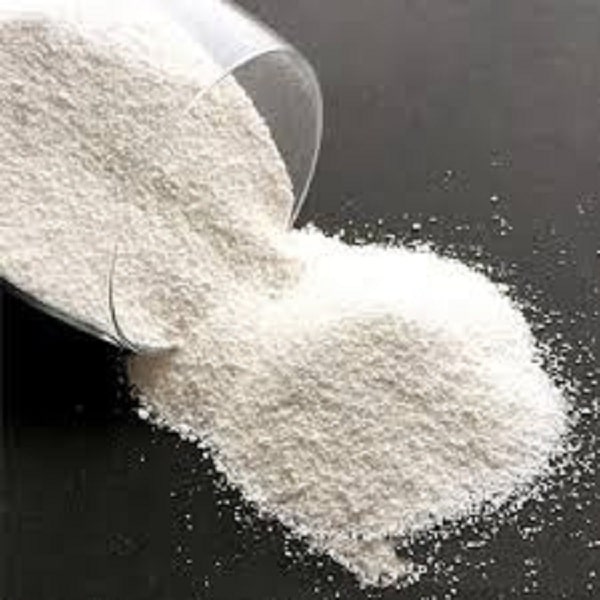
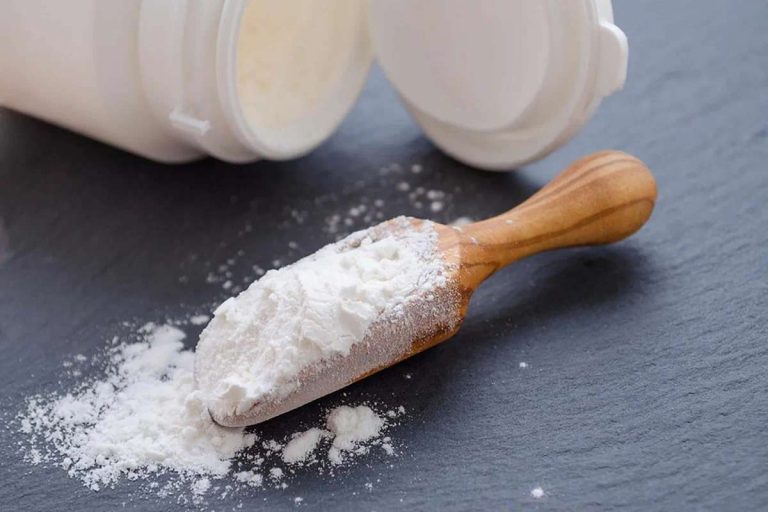
Calcium Carbonate is a white, odorless powder or colorless crystals. Practically insoluble in water. Occurs extensive in rocks world-wide. Ground calcium carbonate, results directly from the mining of limestone. The extraction process keeps the carbonate very close to its original state of purity and delivers a finely ground product either in dry or slurry form. Precipitated calcium carbonate, is produced industrially by the decomposition of limestone to calcium oxide followed by subsequent recarbonization or as a by-product of the Solvay process (which is used to make sodium carbonate).
Calcium Chloride
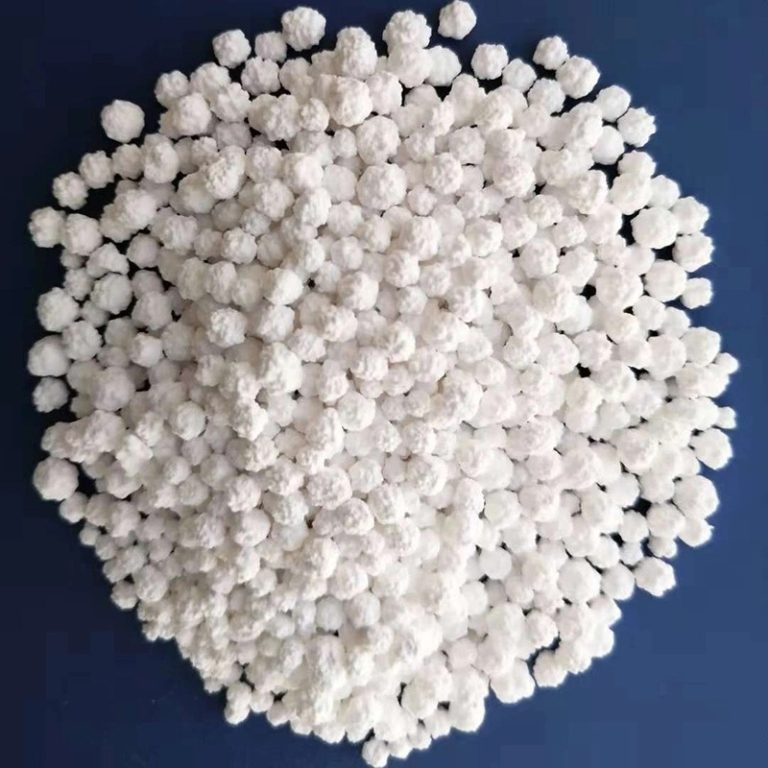
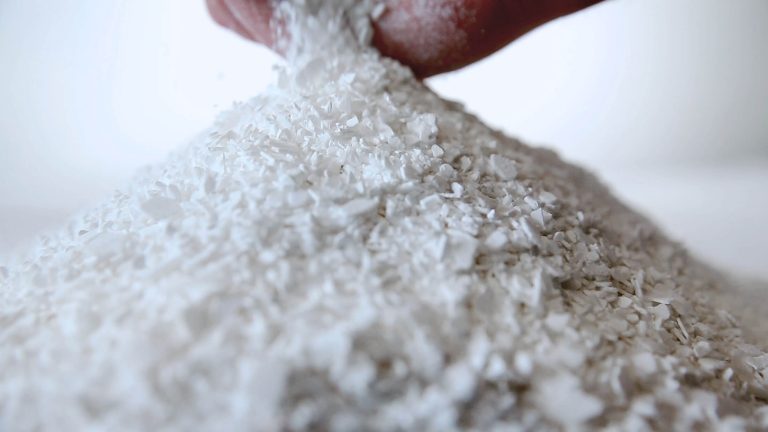
Calcium chloride is a chemical compound with the formula CaCl2.It consists of calcium and chlorine, and is often accompanied by two molecules of water. This compound absorbs highly moisture and is known as non-absorbent. Calcium Chloride should be kept in its packaging in anti-air and moisture conditions.
The outward appearance of Calcium Chloride is a white crystal. The salt is soluble in water, and as an appropriate source of calcium, Calcium Chloride is used in succession reactions and is easily replaced by another action. An interesting feature of this molecule is the release of heat during dissolution in water, which is related to the high enthalpy dissolved in this material. Calcium Chloride is using in two major fields, food and industrial grades.
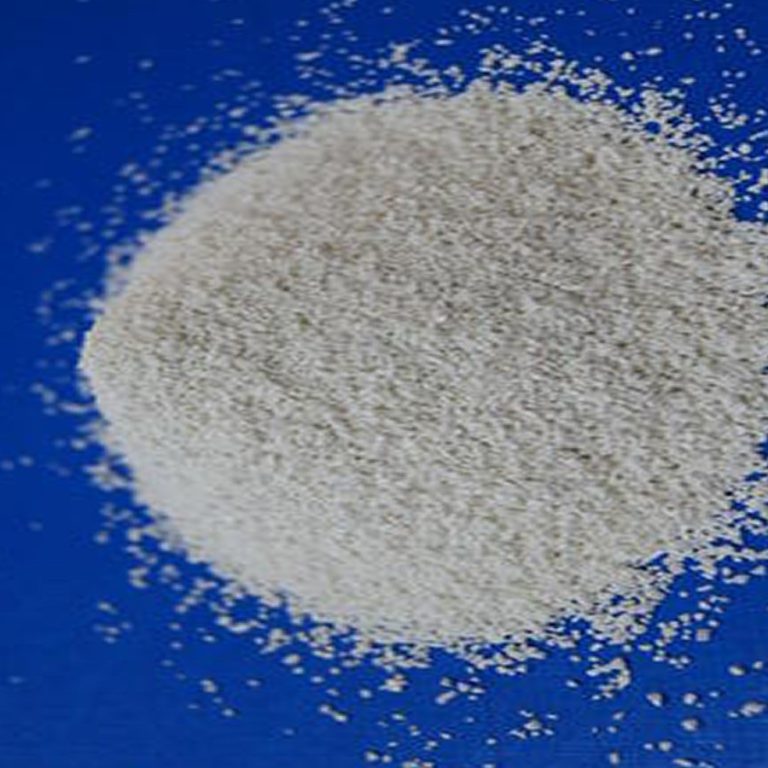
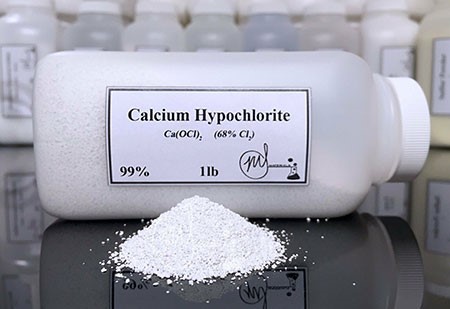
Calcium Hypochlorite 60%
Calcium hypochlorite is an inorganic compound chlorine powder with formula Ca(Clo)2. As a mixture with lime and calcium chloride, it is marketed as or bleaches powder for water treatment and as a bleaching agent. This compound is relatively stable and has greater available chlorine than sodium hypochlorite (liquid bleach). Calcium hypochlorite is a white solid, although commercial samples appear yellow. It strongly smells of chlorine, owing to its slow decomposition in moist air. Calcium Hypochlorite is highly soluble in water and is more preferably used in soft to medium-hard water. It has two forms: dry and hydrated. Calcium Hypochlorite, is called Chlore, Chlorine or per chlorine, also.
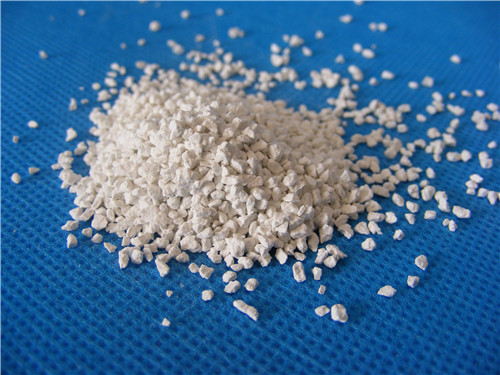
Calcium Hypochlorite 65%
Calcium hypochlorite is an inorganic compound chlorine powder with formula Ca(Clo)2. As a mixture with lime and calcium chloride, it is marketed as or bleaches powder for water treatment and as a bleaching agent. This compound is relatively stable and has greater available chlorine than sodium hypochlorite (liquid bleach). Calcium Hypochlorite is a white solid, although commercial samples appear yellow. It strongly smells of chlorine, owing to its slow decomposition in moist air. Calcium hypochlorite is not highly soluble in water and is more preferably used in soft to medium-hard water. It has two forms: dry and hydrated.
