


Mineral
19 products
Pro-Chemicals
19 products
Polymers
2 products
Chemicals
18 products
Bitumen
7 products
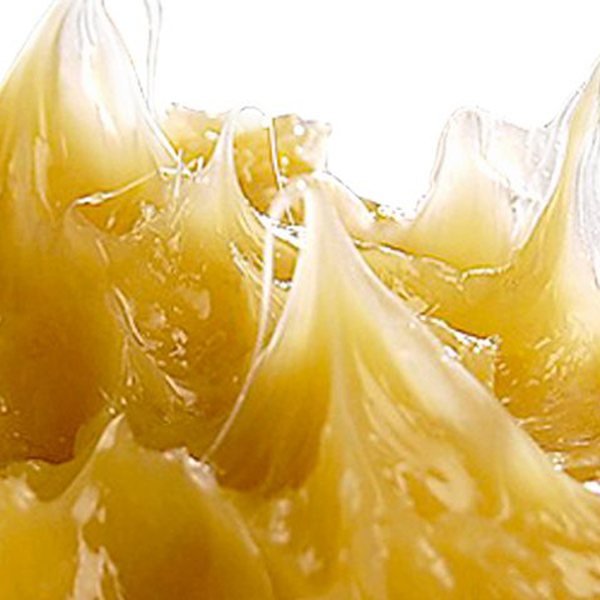
Slack Wax
4 products
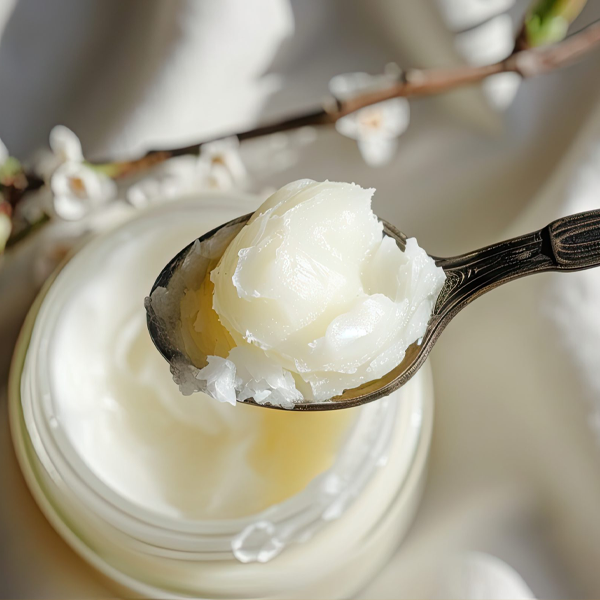
Petroleum Jelly
2 products
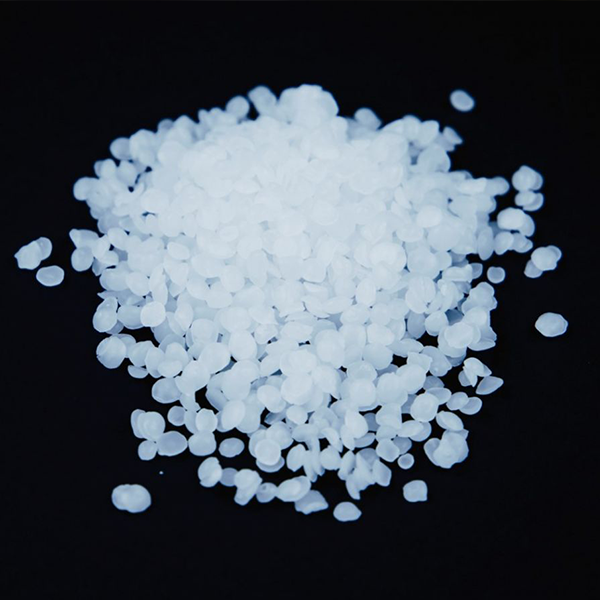
Paraffin Wax
13 products
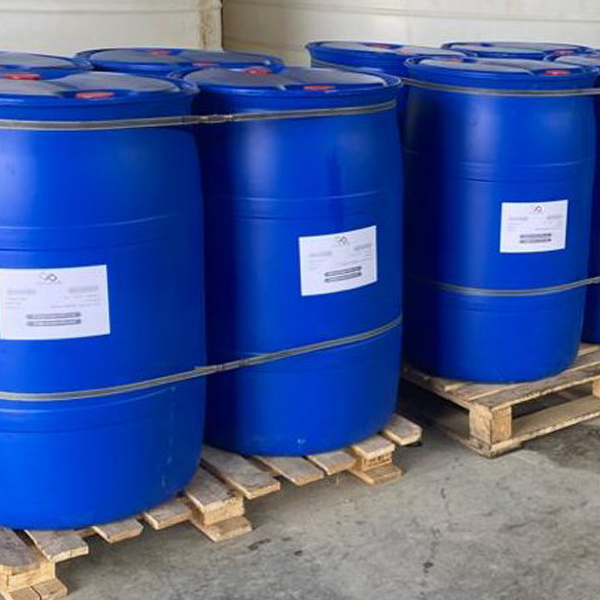
Liquid Paraffin
5 products
Aluminum Sulfate
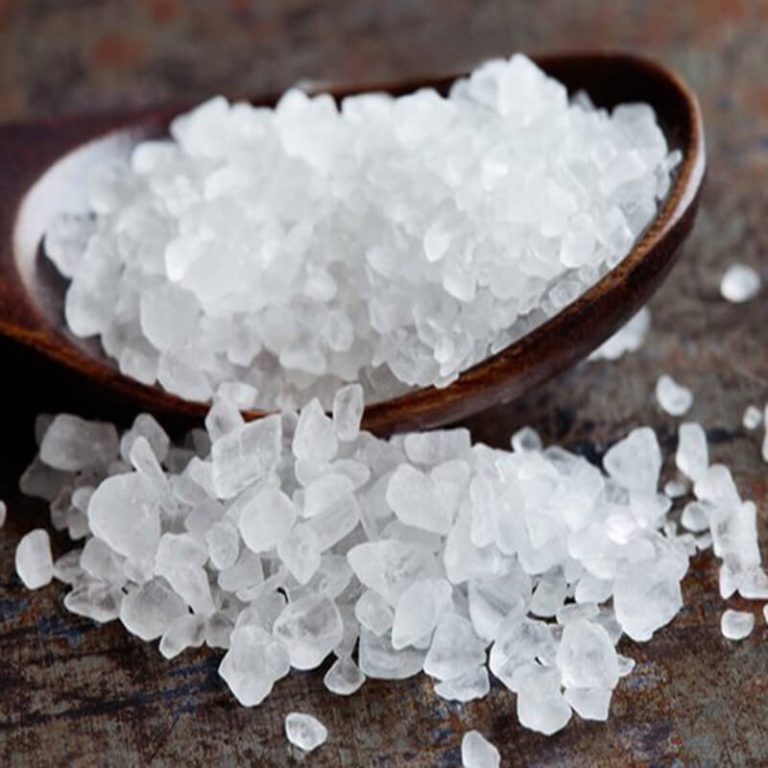
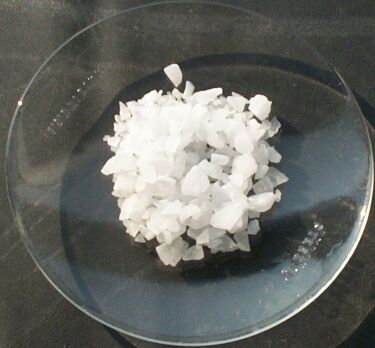
Aluminum sulfate , is a chemical compound with the chemical formula Al2 (SO4) 3.
The production of aluminum sulfate is carried out in a process of reacting sulfuric acid with a juice solution containing alumina or aluminum hydroxide. Aluminum sulfate , is soluble in water and is a major use of aluminum sulfate as a coagulant in drinking water treatment. Aluminum sulfate is commonly referred to as a type of alum. Alums are two sulfate salts.
Calcium Chloride
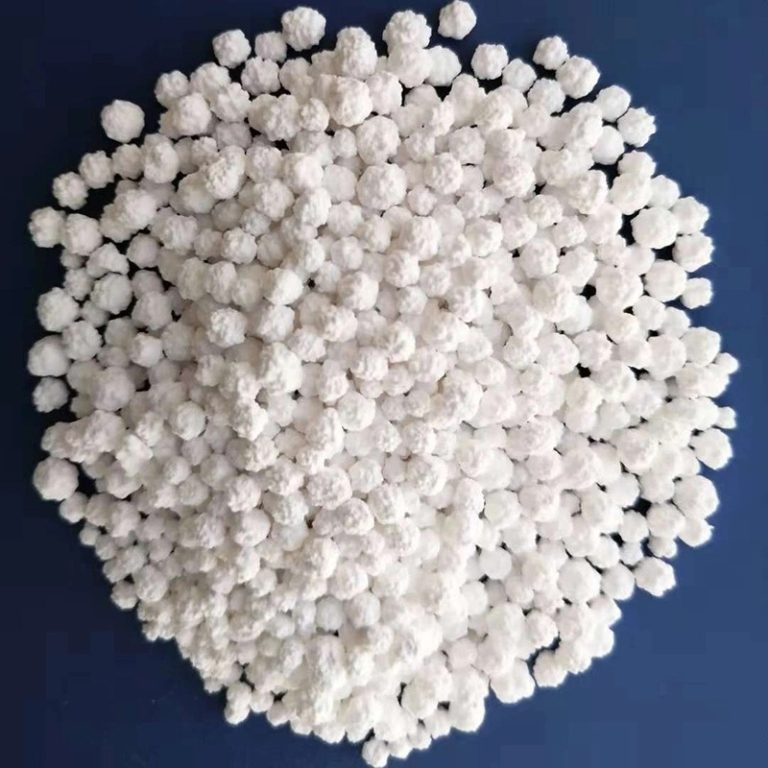
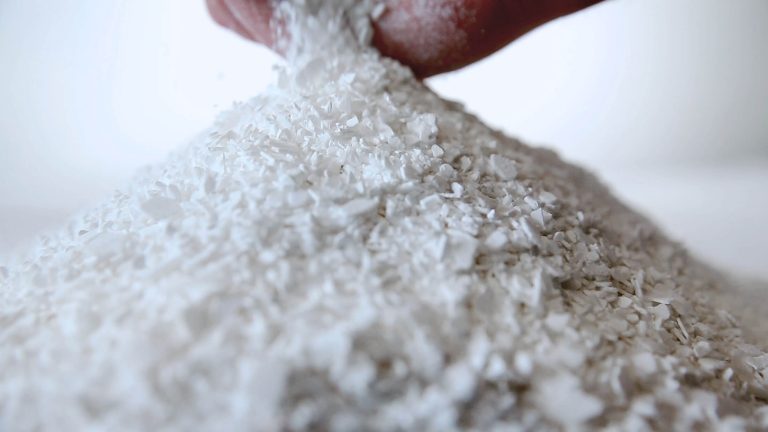
Calcium chloride is a chemical compound with the formula CaCl2.It consists of calcium and chlorine, and is often accompanied by two molecules of water. This compound absorbs highly moisture and is known as non-absorbent. Calcium Chloride should be kept in its packaging in anti-air and moisture conditions.
The outward appearance of Calcium Chloride is a white crystal. The salt is soluble in water, and as an appropriate source of calcium, Calcium Chloride is used in succession reactions and is easily replaced by another action. An interesting feature of this molecule is the release of heat during dissolution in water, which is related to the high enthalpy dissolved in this material. Calcium Chloride is using in two major fields, food and industrial grades.
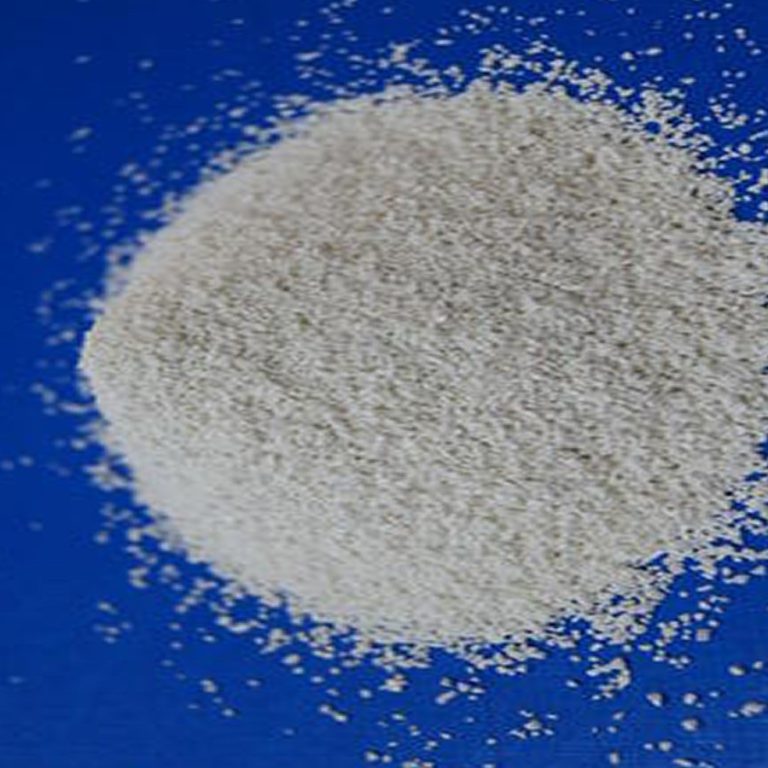
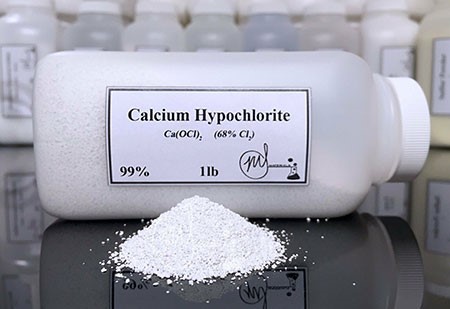
Calcium Hypochlorite 60%
Calcium hypochlorite is an inorganic compound chlorine powder with formula Ca(Clo)2. As a mixture with lime and calcium chloride, it is marketed as or bleaches powder for water treatment and as a bleaching agent. This compound is relatively stable and has greater available chlorine than sodium hypochlorite (liquid bleach). Calcium hypochlorite is a white solid, although commercial samples appear yellow. It strongly smells of chlorine, owing to its slow decomposition in moist air. Calcium Hypochlorite is highly soluble in water and is more preferably used in soft to medium-hard water. It has two forms: dry and hydrated. Calcium Hypochlorite, is called Chlore, Chlorine or per chlorine, also.
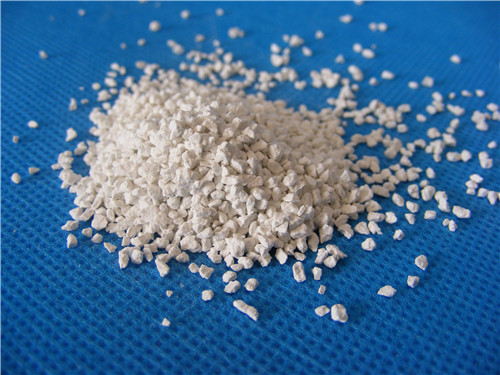
Calcium Hypochlorite 65%
Calcium hypochlorite is an inorganic compound chlorine powder with formula Ca(Clo)2. As a mixture with lime and calcium chloride, it is marketed as or bleaches powder for water treatment and as a bleaching agent. This compound is relatively stable and has greater available chlorine than sodium hypochlorite (liquid bleach). Calcium Hypochlorite is a white solid, although commercial samples appear yellow. It strongly smells of chlorine, owing to its slow decomposition in moist air. Calcium hypochlorite is not highly soluble in water and is more preferably used in soft to medium-hard water. It has two forms: dry and hydrated.
Carbon Black
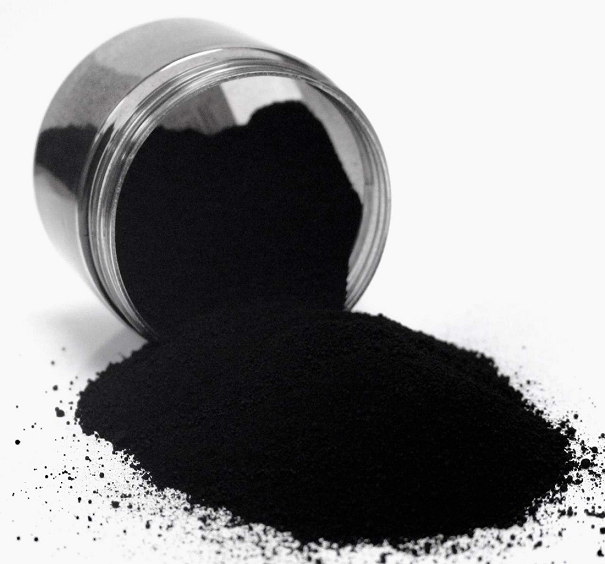
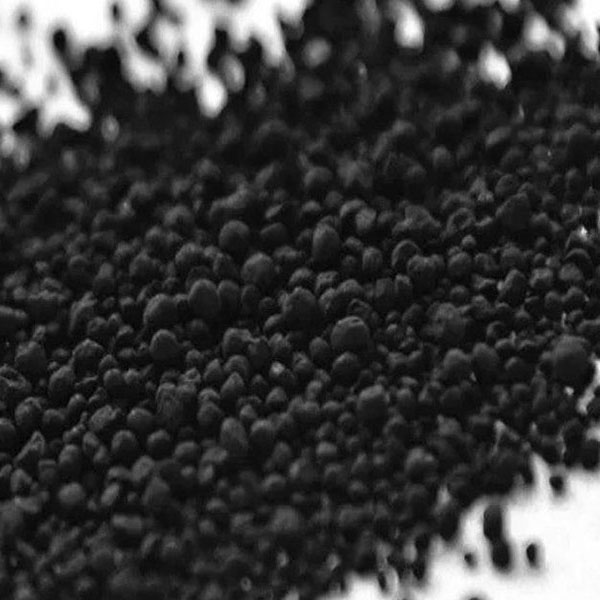
Carbon black is a special black chemical that is available in powder or grain form. This material is produced using fully controlled processes and contains more than 95% pure carbon. The black particles of this material range in size from 10 nm to approximately 500 nm. Depending on the manufacturing process, carbon black types vary in size, surface chemistry, porosity, and many other properties. Carbon Black is used in various industries. By improving the physical, electrical and optical properties of different materials, carbon black gives a favorable performance to the final product.
Caustic Soda
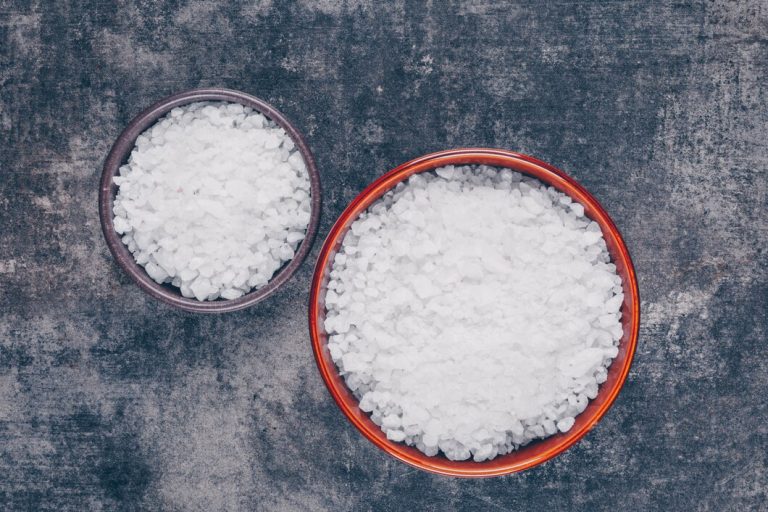
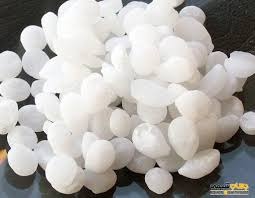
Caustic Soda is one of the most useful ionic compounds that is used in various industries, including water treatment, as well as detergent and soap factories. Caustic Soda is available in liquid and solid forms and filled sheets in the market and their color is white. As Caustic Soda is clear from the name of this material, Caustic Soda has a very high opening effect and leads to chemical burns on the skin. Caustic soda is known by other names such as sodium hydroxide and has a very high dissolution power in water.
Caustic Soda Flake
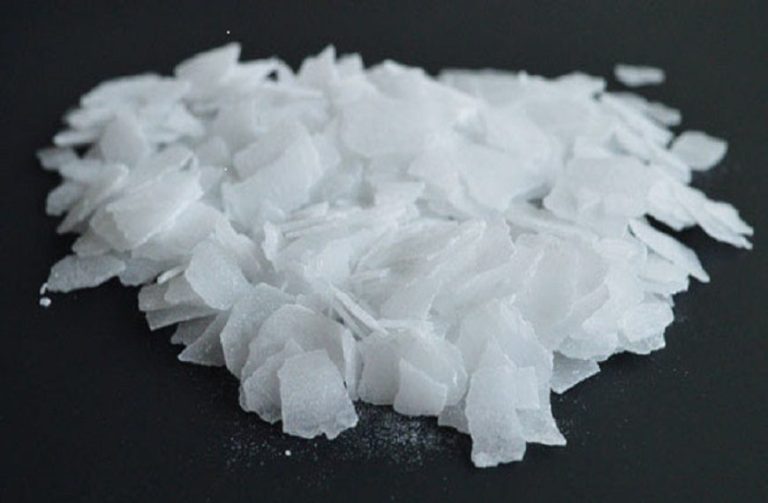
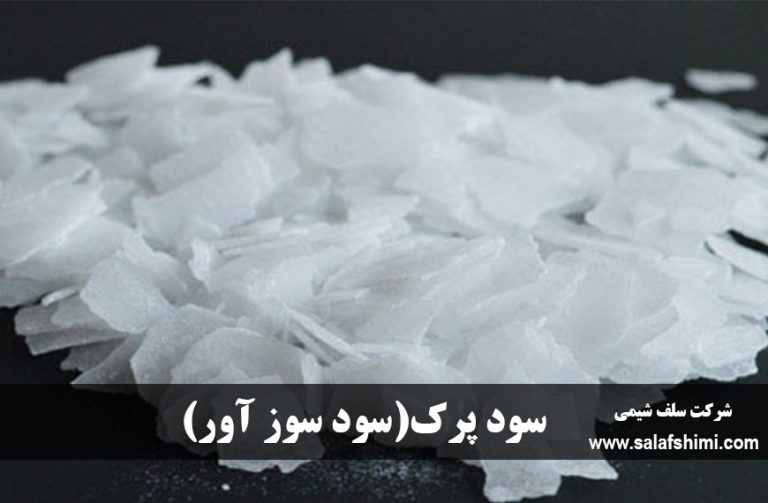
Caustic Soda Flake or Sodium Hydroxide, is a thin white laminate that has moisture absorbency and is capable of dissolving in water. Caustic Soda Flake is obtained from the evaporation of the liquid Caustic Soda 50% cassette which is produced by the membrane technology. Caustic soda flake chemical and scientific name is ,Sodium Hydroxide or Naoh and it is well-known by these names, also.

Caustic Soda Liquid
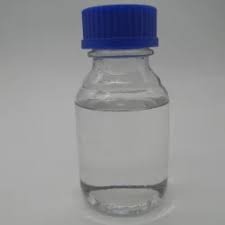
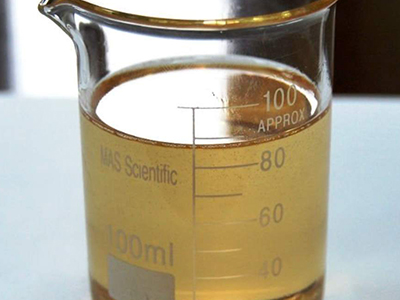
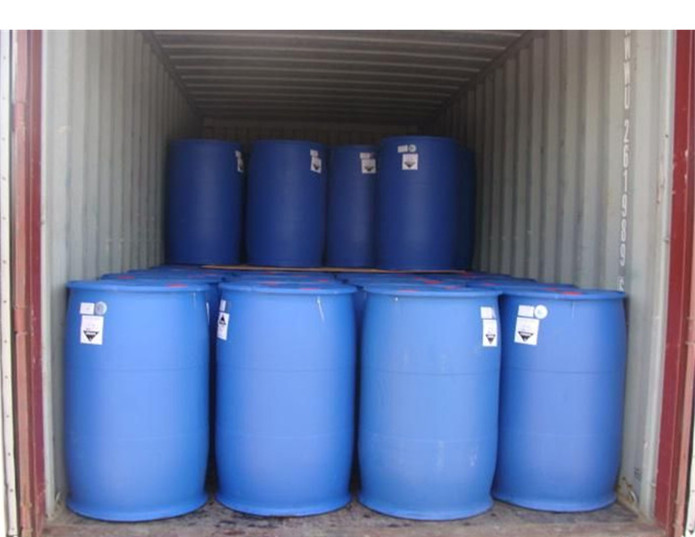
Caustic Soda Liquid or Sodium Hydroxide (Sodium Hydroxide) is a mineral compound with a NaOH formula that can be solid (percolate or granular) or solutions with different concentrations. Sodium hydroxide or caustic soda liquid with saturated water is approximately 50% (by weight) (this saturation solution is known for the benefit of the liquid industry). Caustic Soda Liquid is a highly volatile metallic open source (caustic means corrosive material) and is an alkaline salt dissolved in water, methanol and ethanol. Caustic Soda Liquid absorbs heavily and airborne carbon dioxide.
LAB (Linear alkyl benzene)
LAB (Linear alkyl benzene) is a chemical compound, This chemical is oily and colorless in nature. And in the presence of sulfur and the conditions of combustion and reaction with So3 in the reactor, LAB turn into sulfonic acid, which is the main ingredient in detergent. LAB (Linear alkylbenzene) is in the group of aromatic hydrocarbons. LAB chemical compound is flammable and non-toxic. LAB density is less than water.
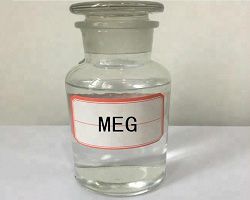
MEG
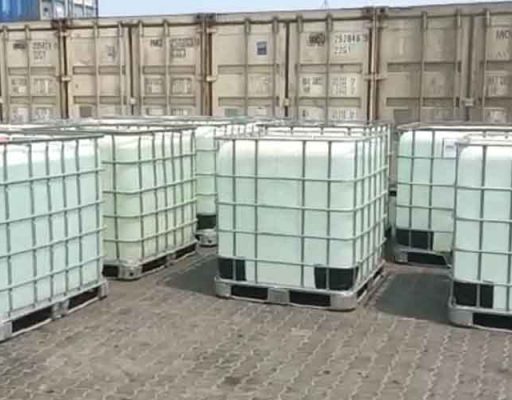
MEG (Monoethylene glycol)l is a clear, colorless liquid with a mild odor, a sweet taste, and a syrup-like consistency. MEG is miscible with water and aromatic and aliphatic hydrocarbons. MEG is the solvent of many oils, lignin, gum, cellulose acetate, alcohol-soluble dyes, synthetic resins, nitre, cellulose, etc. The range of application of MEG (monoethylene glycol) is very wide and includes everything from the textile industry to the packaging of kitchen utensils, engine cooling and antifreeze


Poly Aluminum Chloride (PAC ) Liquid
The coagulation process has a special place in the purification process. Aluminum sulfate (alum) and chlorofibre are the most common primary coagulants used in water purification to remove turbidity. In recent years, Poly Aluminum Chloride (PAC) has been widely used as a substitute for two old aluminum sulfate and chlorophyll copolymers. Poly Aluminum chloride (PAC) has now become one of the most common coagulants used in water purification in many countries .
