


Mineral
19 products
Pro-Chemicals
19 products
Polymers
2 products
Chemicals
18 products
Bitumen
7 products
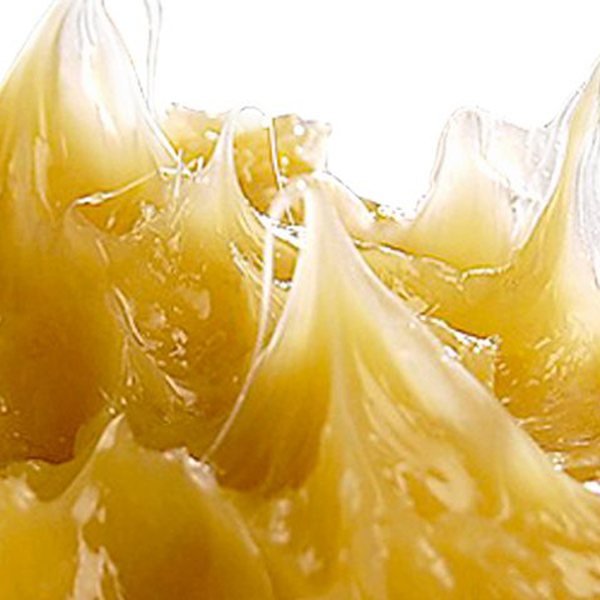
Slack Wax
4 products
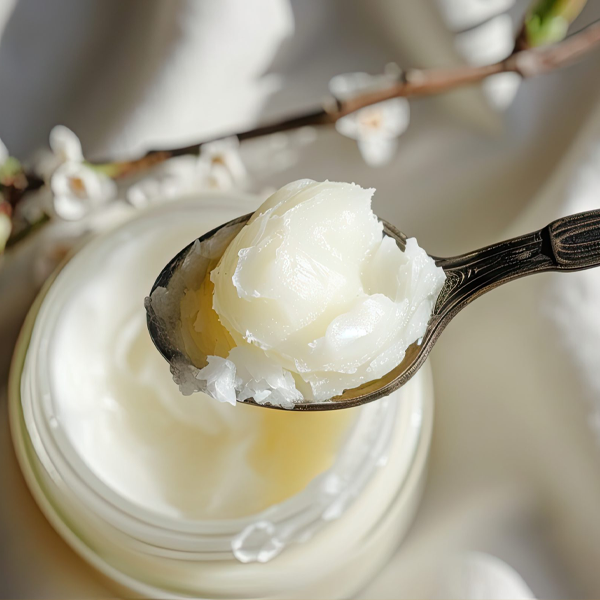
Petroleum Jelly
2 products
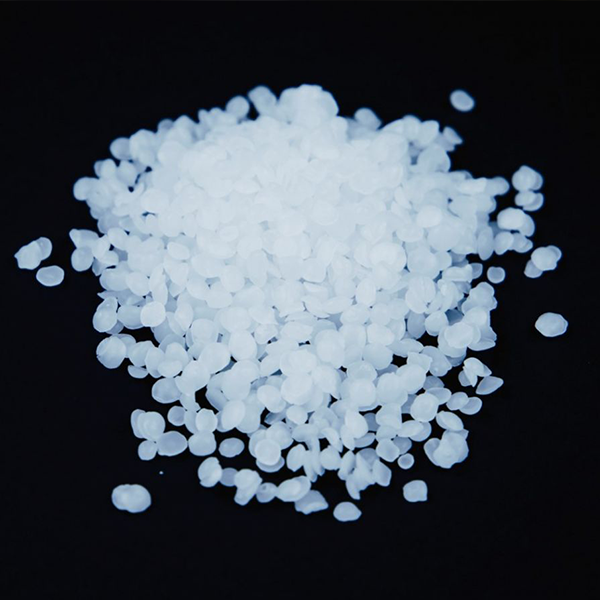
Paraffin Wax
13 products
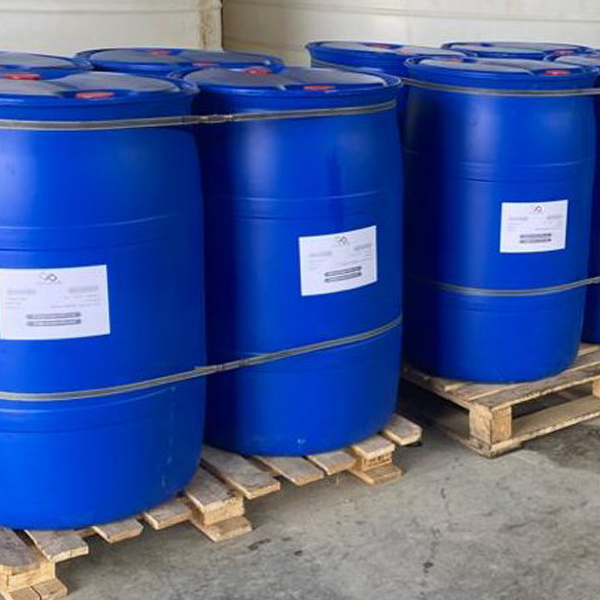
Liquid Paraffin
5 products
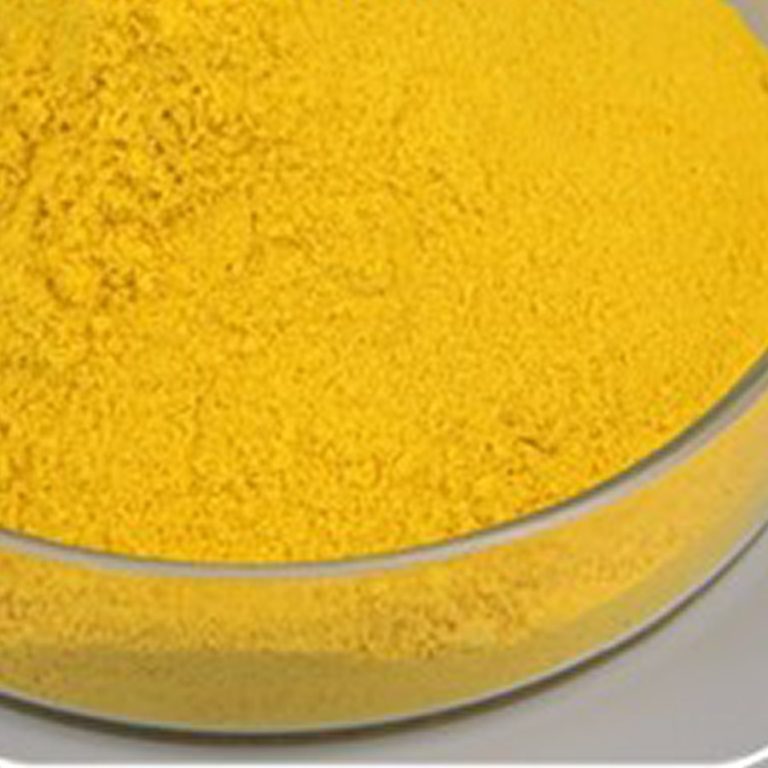
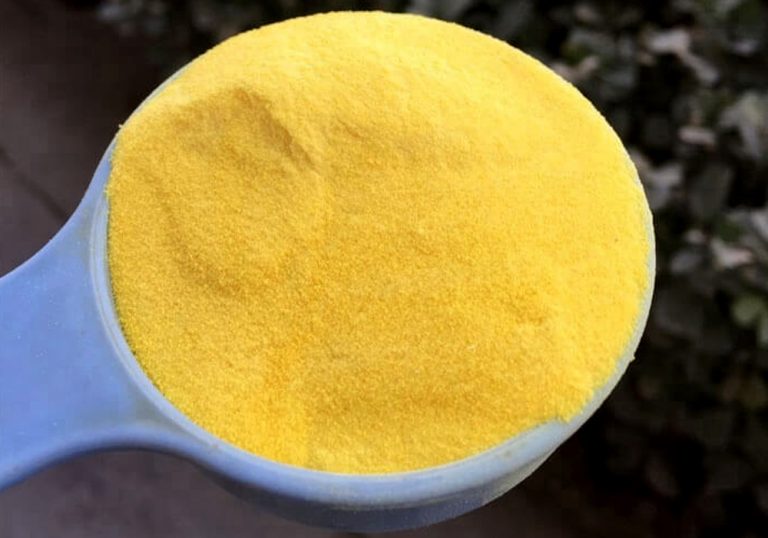
Poly Aluminum Chloride (PAC) Powder
The coagulation process has a special place in the purification process. Aluminum sulfate (alum) and chlorofibre are the most common primary coagulants used in water purification to remove turbidity. In recent years, Poly Aluminum Chloride (PAC) has been widely used as a substitute for two old aluminum sulfate and chlorophyll copolymers. Poly Aluminum chloride (PAC) has now become one of the most common coagulants used in water purification in countries such as the United States, Canada, China, Italy, France and the United Kingdom.
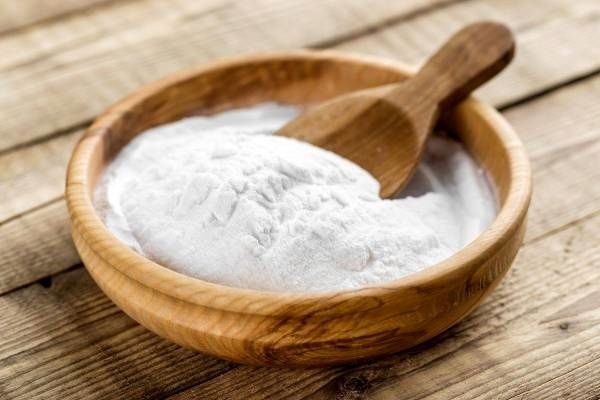
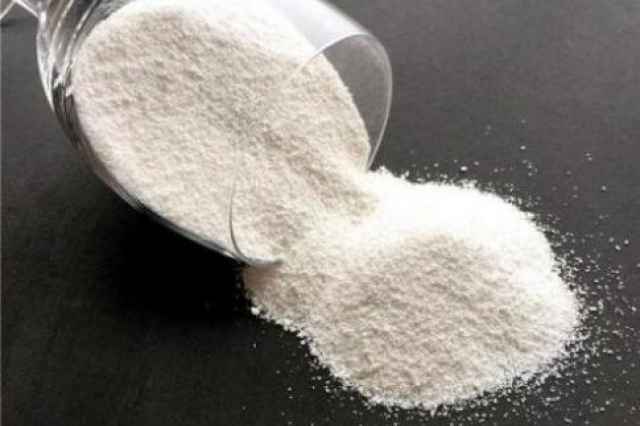
Soda Ash
Soda Ash or Sodium carbonate (Na2CO3) is also known as bicarbonate of soda, soda crystals, and washing soda. Soda Ash is one of the most important industrial chemicals that is widely used in the production of other alkaline products, sodium salts, etc. Soda ash is the common name of anhydrous sodium carbonate, which is used industrially. Sodium carbonate or soda ash is actually the sodium salt of carbonic acid, which is normally a white solid. Soda Ash is produced on an industrial scale through the Solvay process using ammonia, limestone and salt.
Sodium Hypochlorite (Purity 16%)
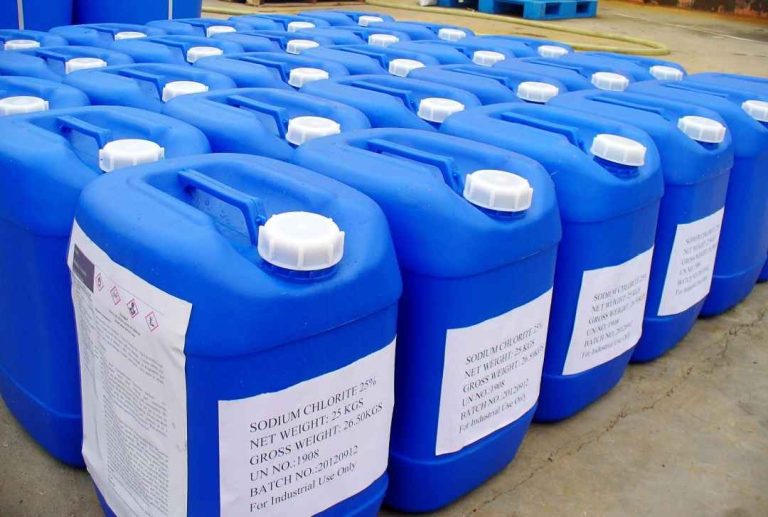
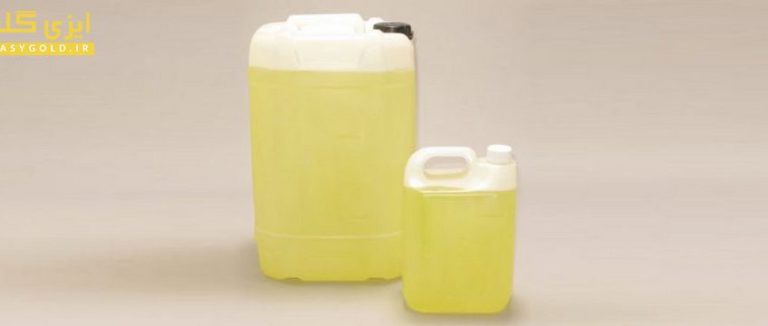
A chemical substance of Sodium Hypochlorite is NaClO formula. The soluble form of this substance is presented as bleach. It is also known in by other names in various countries, Such as bleach, whitex, varukina and amukina, depending on the concentration of the various brands in the market. A solution of 10 to 16% sodium hypochlorite (NaOCl) in water. Its color is close to yellow and its flavor and smell are spicy. Sodium hypochlorite is used for disinfection and dehydration.
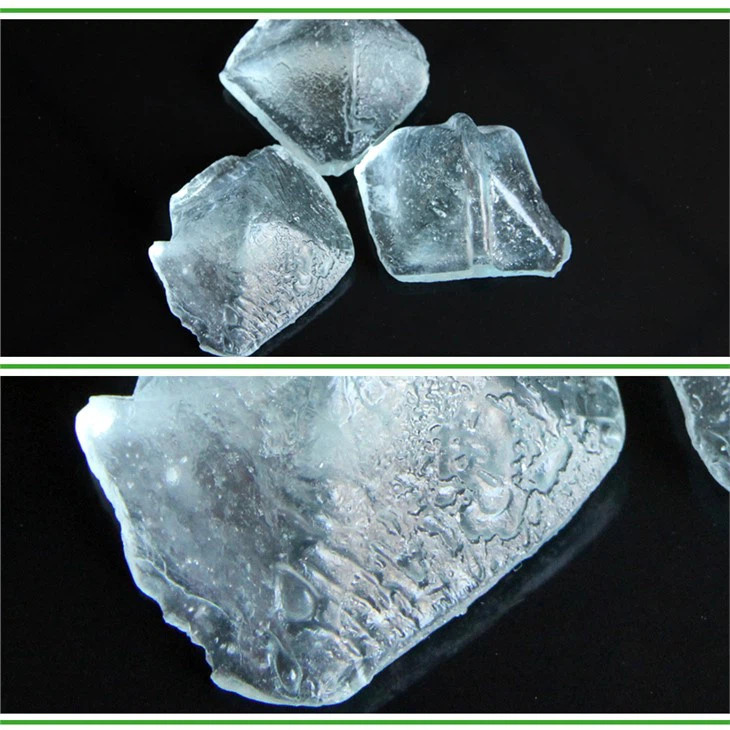
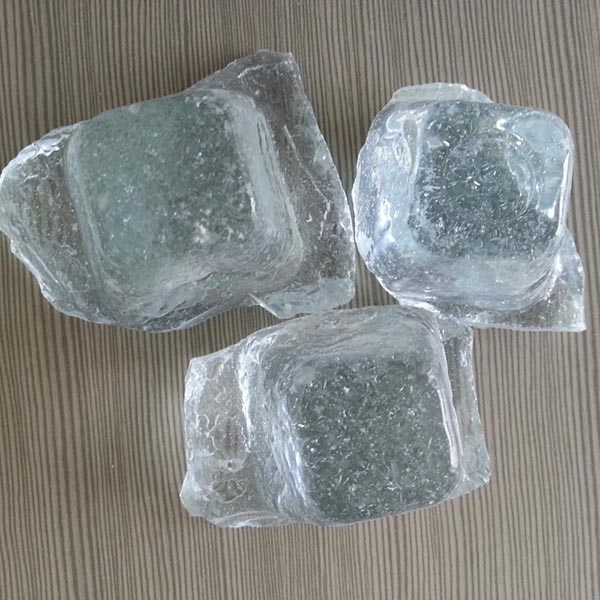
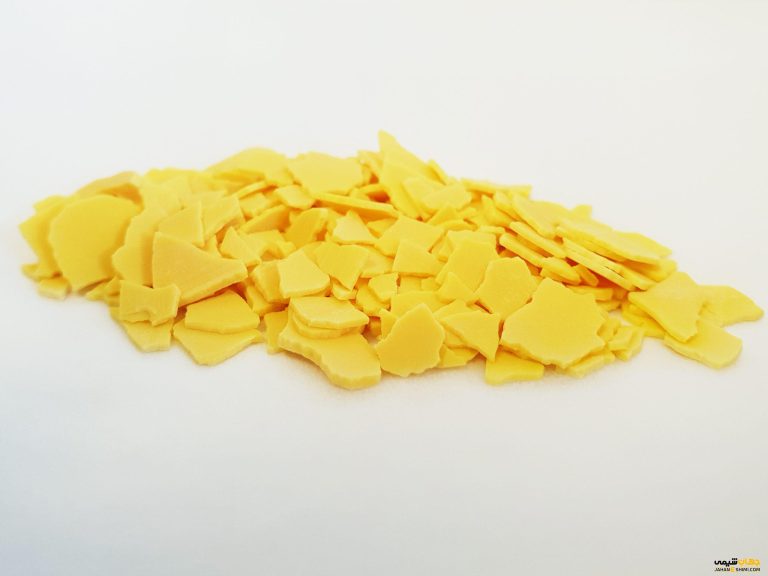
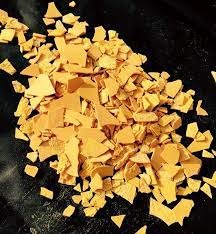
Sodium Sulfide
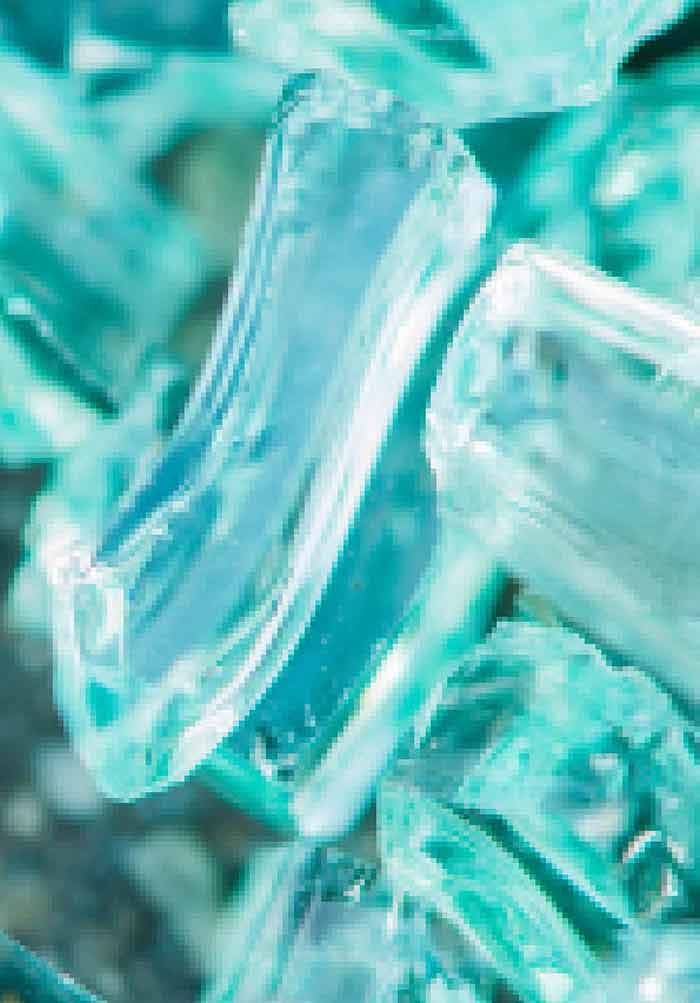
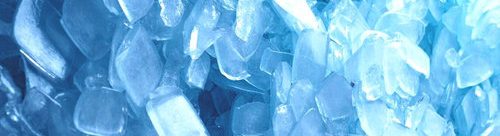
Sodium sulfide is a chemical compound with the formula Na2S and its hydrated form with the formula Na2S.9H2O, both of which are water-soluble salts and produce strong and colorless alkaline solutions. Although sodium sulfide is a yellow solid, its solution is colorless. Sodium sulfide is produced in crystallized, cracked and broken forms and releases hydrogen sulfide gas when exposed to air, which smells like rotten eggs. Sodium sulfur reacts with hydrogen peroxide to produce sodium sulfate.
