


Mineral
19 products
Pro-Chemicals
19 products
Polymers
2 products
Chemicals
18 products
Bitumen
7 products
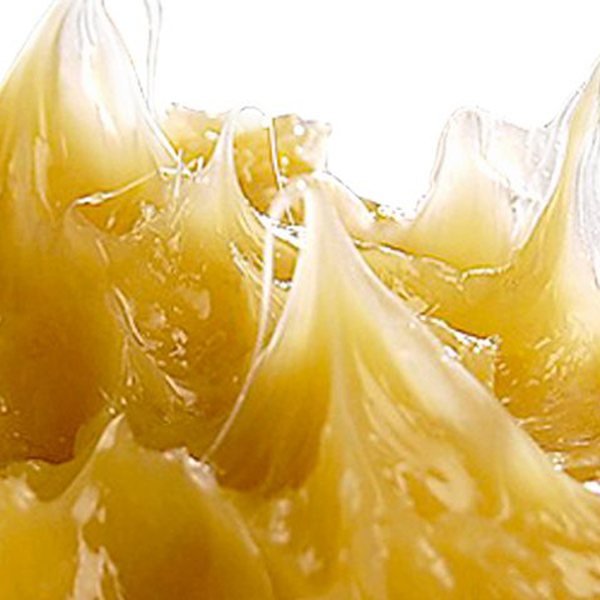
Slack Wax
4 products
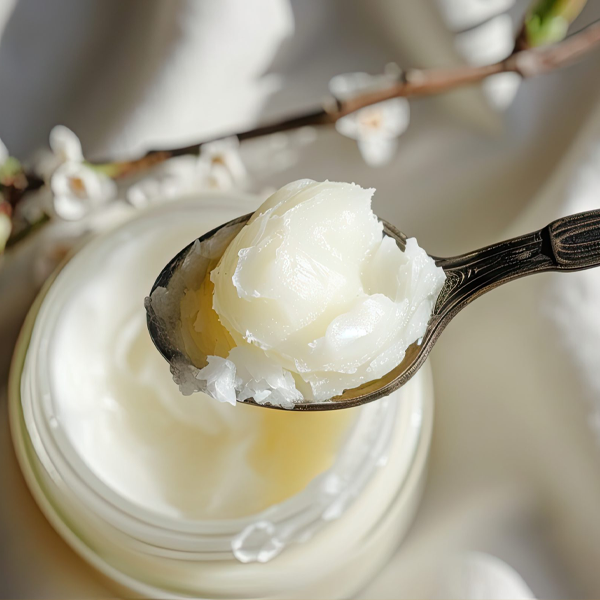
Petroleum Jelly
2 products
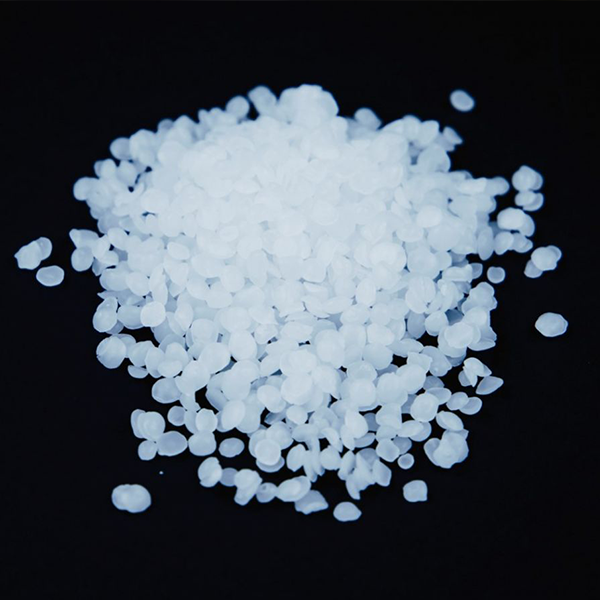
Paraffin Wax
13 products
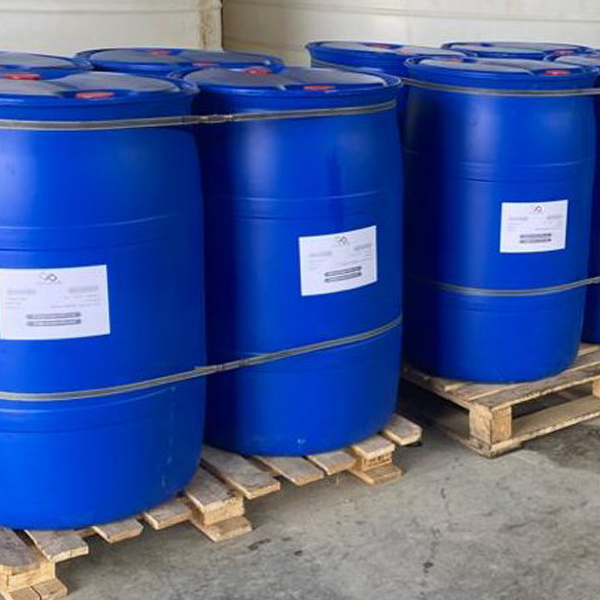
Liquid Paraffin
5 products
Ammonium Sulfate
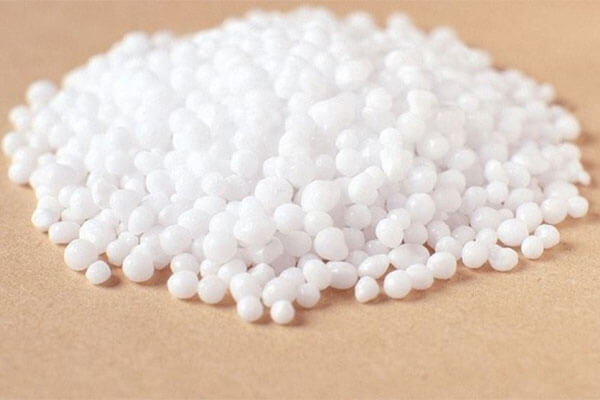
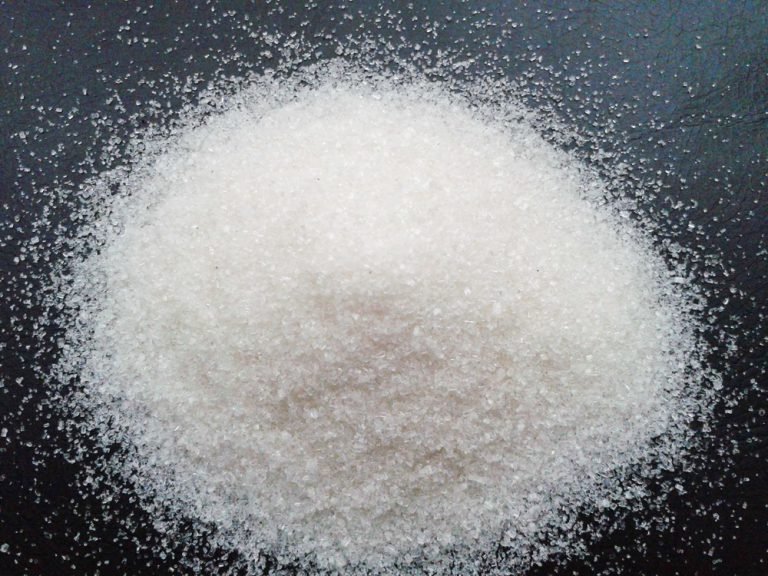
Ammonium sulfate is an inorganic salt with a molecular formula of NH4 (2SO4) and a molar mass of 132.14 g/mol. Ammonium sulfate composition contains 21% of nitrogen and 24% of sulfurammonium sulfate, which is why it is a good chemical for making chemical fertilizers. Other names of this mineral salt are ammonium sulfur, ammonium tetraoxosulfate, diammonium sulfate, mascagnite and actamaster. Due to its ionic structure, ammonium sulfate is highly soluble in water and increases the conductivity of water. Ammonium sulfate compound is a white, odorless solid at room temperature, and when dissolved in water, it lowers its pH to 5 and 6. This property of low acidity leads to its use in pH regulation.
Ball Clay
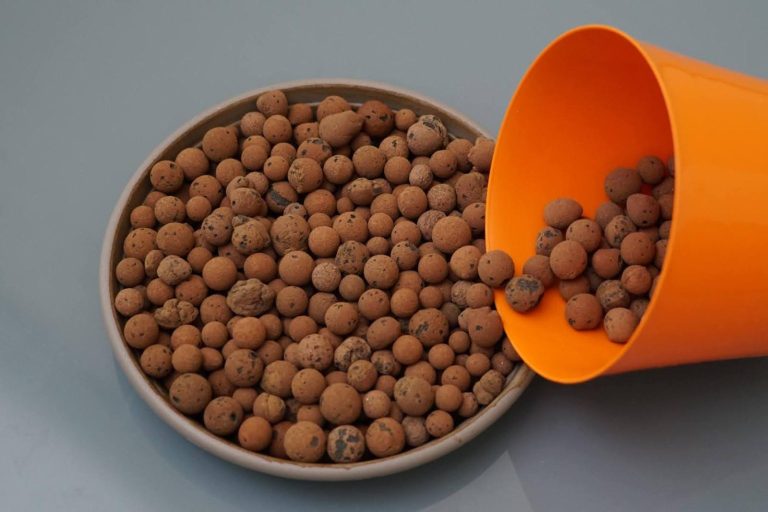
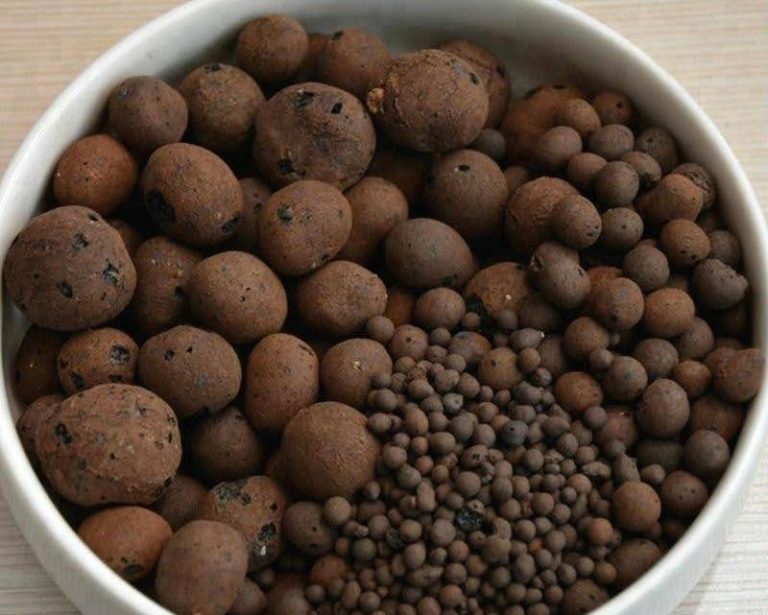
Ball Clay, an extremely rare mineral that is found in a few places in the world and is the second most important plastic material in the ceramic industry after kaolin. Ball Caly is easily molded and after baking at high temperature, Ball Clay turns white or close to white, and therefore it can be rightly called one of the useful threads in the ceramic industry. Ball Clay is a type of sedimentary rock that contains kaolinite and a small amount of illite, chlorite and montmorionite. Found with most organic compounds. Ball Clay sometimes found with coal seams. Ball Caly is used in sanitary ceramics, electric porcelain, all kinds of tiles, tableware, handicrafts and refractories.
Bentonite
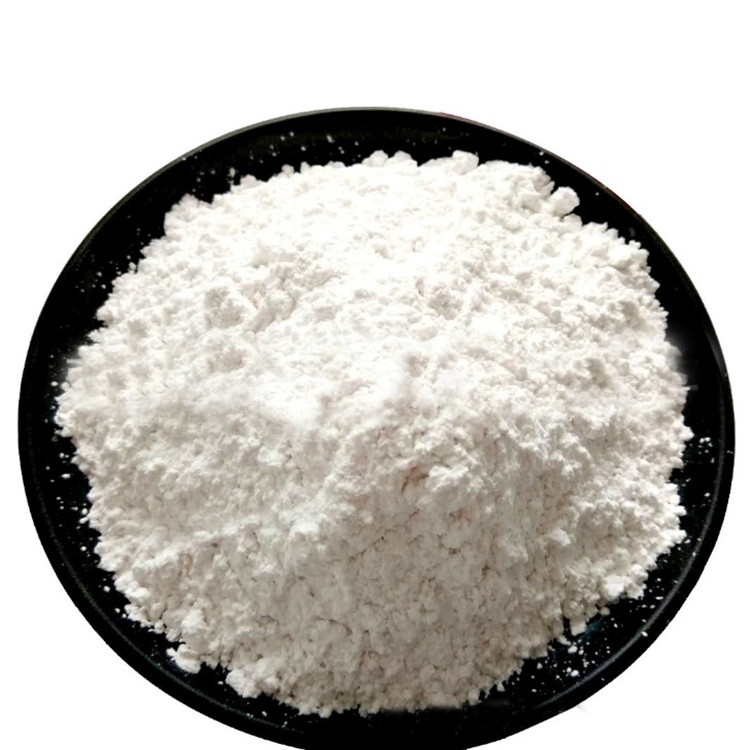
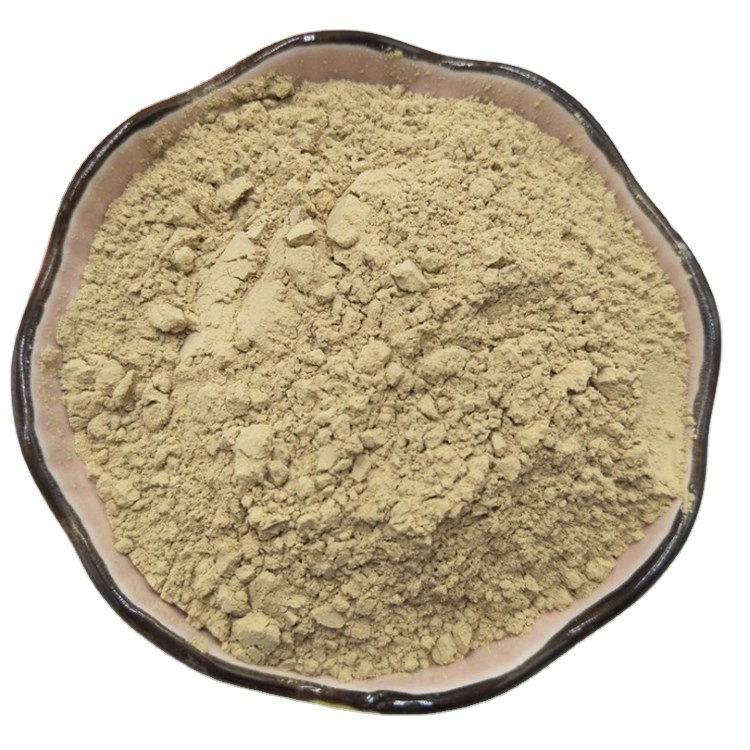
Bentonite is a clay generated frequently from the alteration of volcanic ash, consisting predominantly of smectite minerals, usually montmorillonite.Depending on the nature of their genesis, bentonite contain a variety of accessory minerals in addition to montmorillonite. These minerals may include quartz, feldspar, calcite and gypsum. The presence of these minerals can impact the industrial value of a deposit, reducing or increasing its value depending on the application. Bentonite presents strong colloidal properties and its volume increases several times when coming into contact with water, creating a gelatinous and viscous fluid. The special properties of bentonite (hydration, swelling, water absorption, viscosity, thixotropy) make it a valuable material for a wide range of uses and applications.
Iran chemical mine is a supplier of Bentonite products to serve our customers.
Calcium Carbonate
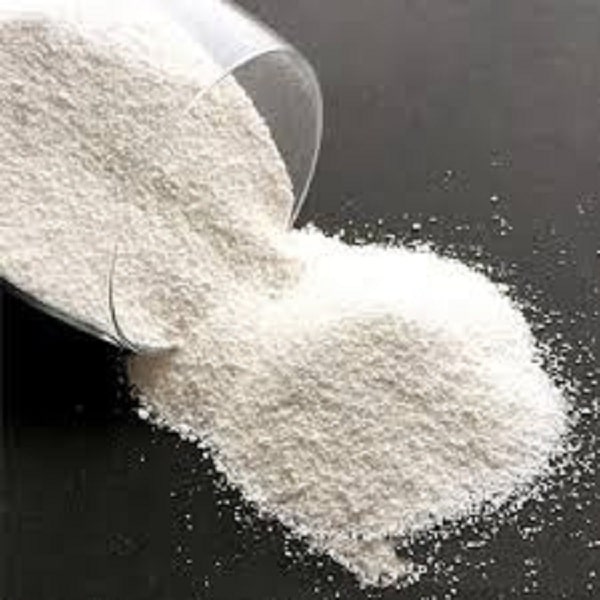
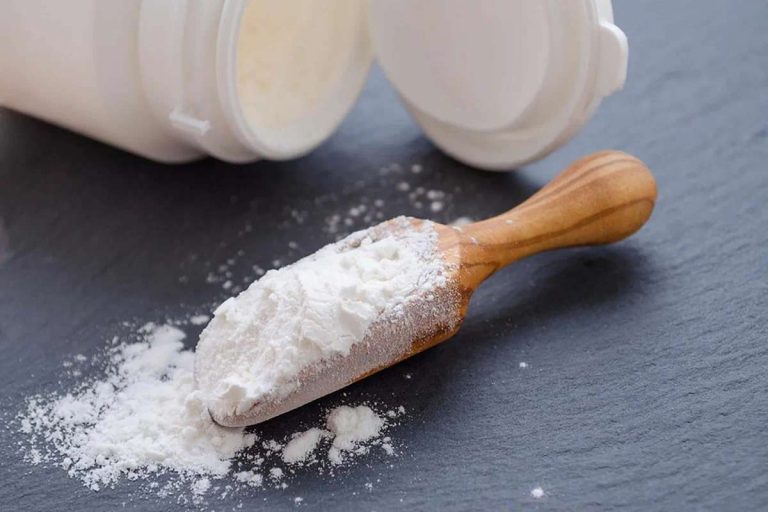
Calcium Carbonate is a white, odorless powder or colorless crystals. Practically insoluble in water. Occurs extensive in rocks world-wide. Ground calcium carbonate, results directly from the mining of limestone. The extraction process keeps the carbonate very close to its original state of purity and delivers a finely ground product either in dry or slurry form. Precipitated calcium carbonate, is produced industrially by the decomposition of limestone to calcium oxide followed by subsequent recarbonization or as a by-product of the Solvay process (which is used to make sodium carbonate).
Calcium Lime
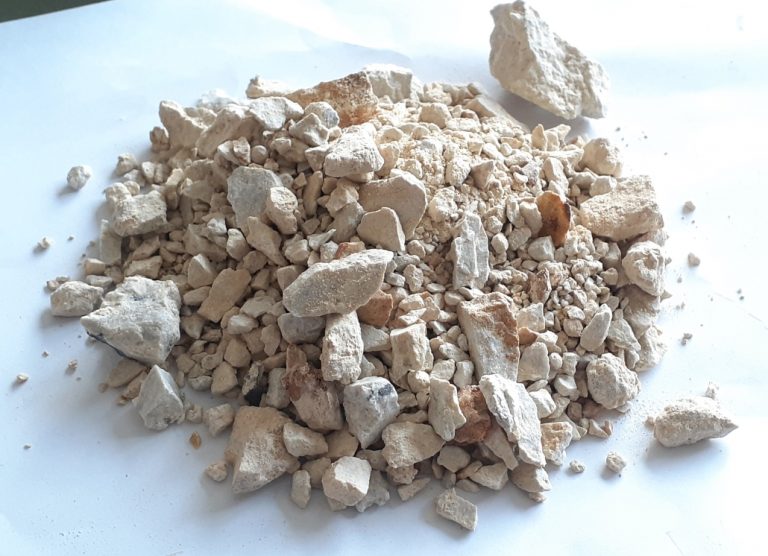
Calcium lime is made from limestone cooking in a furnace with a temperature of 1200 ° C. The product is known by other names such as calcium lime, baked lime, industrial calcium oxide, market lime, unspecified calcium, calcium oxide and lime. Gets for baking industrial lime or calcium lime for industrial purposes such as steel making, the highest CaO purity and the least amount of impurities such as SiO2, sulfur dioxide and phosphorus should be considered. Due to the high quality of limestone and high purity of its elements, calcium lime is of high quality.
Feldspar
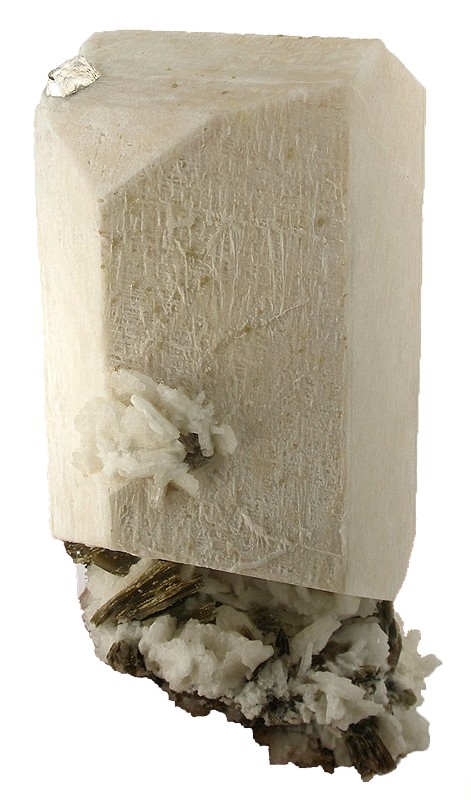
Feldspar is a group of rock-forming tectosilicate minerals that contains calcium, potassium, or sodium and makes up more than half of the Earth’s core by weight. Its minerals are found to a large extent in igneous, sedimentary and metamorphic rocks around the world. These minerals are the basic components of these rocks, some of which are classified based on feldspar content. These rocks can be divided into two main groups: potassium feldspar and plagioclase.
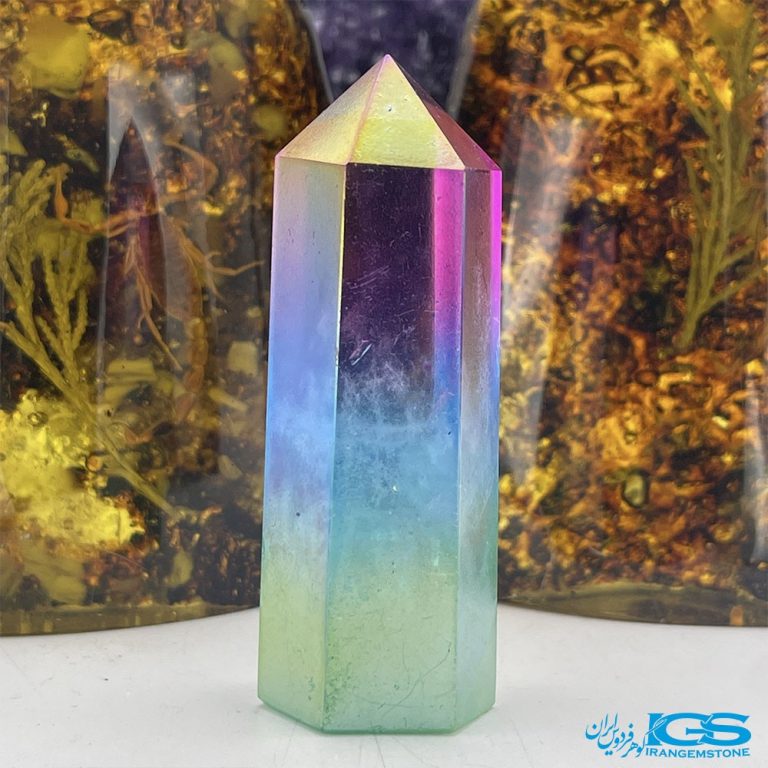
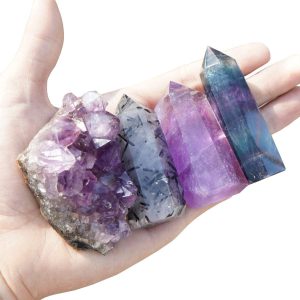
Fluorspar
Fluorspar, often called fluorite in the trade, is a mineral with a combination of calcium and fluoride, or in other words, calcium fluoride (CaF2), which is mistakenly called fluorine. The name of Fluorspar is derived from the Latin word fluor (flow) and refers to its low melting point and its initial use in metallurgy as a smelter. Fluorspar lumps exist in nature and are extracted from various mines around the world and used after processing in various industries.
Fluorspar was used by the Greeks and Romans for decorative purposes such as vases, cups and decorative utensils. In cultures of different nations, such as the Chinese and Native Americans, colored pottery ornaments and sculptures were carved from large crystals. The use of Fluorspar flourished with the growth of the steel, aluminum, chemical, and ceramic industries, especially Fluorspar used during the First and Second World Wars.
Fly Ash
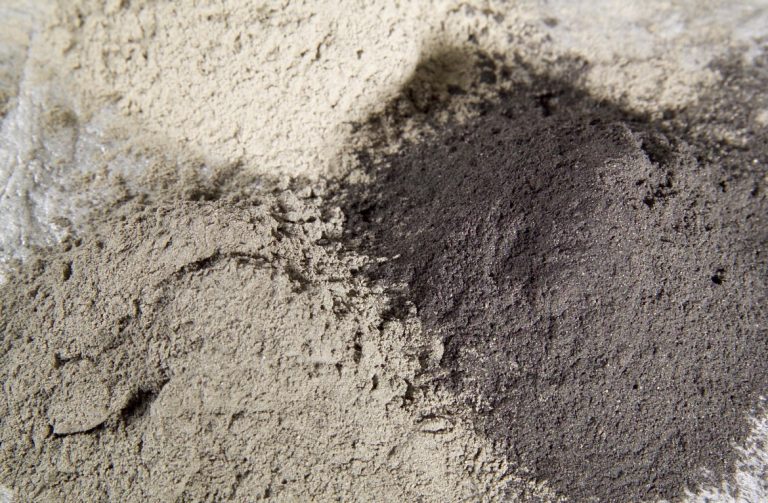
Fly ash is a residue of fuel emissions from coal or non-plastic kilns and thermal power plants with coal fuel. Dust and gases emitted from the fuel are controlled by special filter bags or electrostatic precipitators . The Fly ash contains a high percentage of heavy metal oxides such as silicon, iron, calcium, magnesium and aluminum. Due to its chemical properties, Fly Ash is a good alternative to part of the cement used in the concrete industry. Cement is produced by heating clay and limestone. The cement production process releases 5 to 15 tons of carbon dioxide into the atmosphere. They are looking for solutions to reduce the carbon pollution caused by cement production. Therefore, the use of waste and recycled materials such as Fly Ash has flourished in concrete construction.
Gypsum
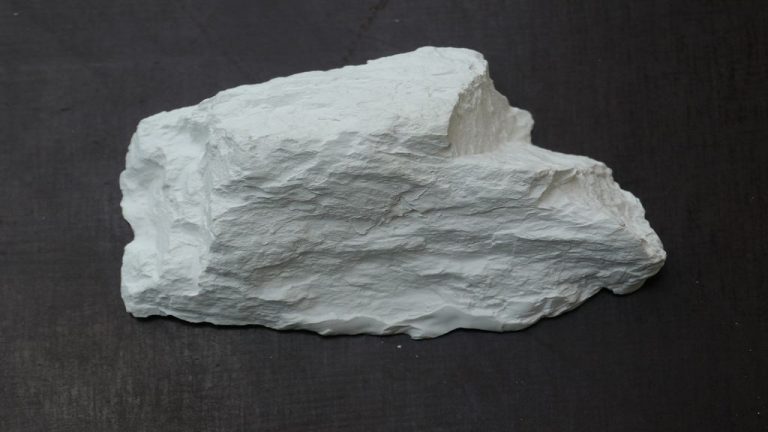
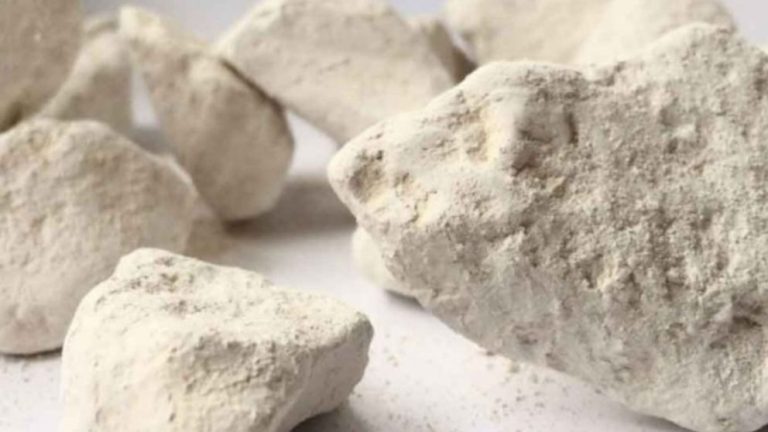
Gypsum is an mineral most commonly found in layered sedimentary deposits in association with halite, anhydrite, sulfur, calcite, and dolomite. Gypsum (CaSO4.2H2O) is very similar to Anhydrite (CaSO4). The chemical difference is that gypsum contains two waters and anhydrite is without water. Gypsum is the most common sulfate mineral.
Himalayan Salt
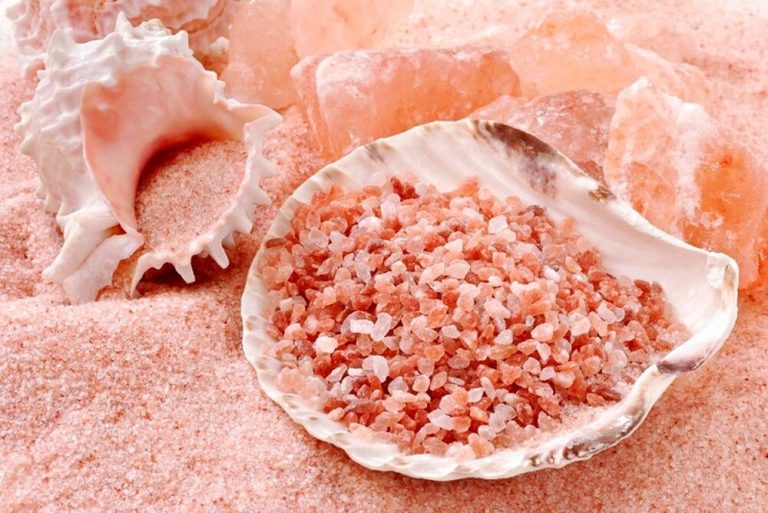
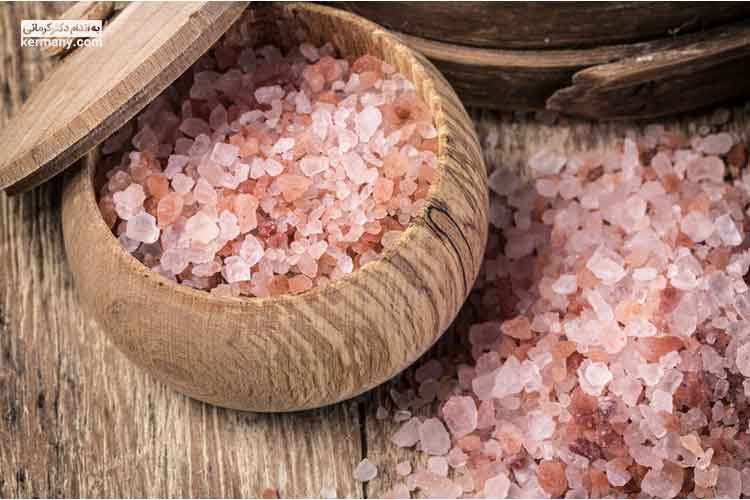
Himalayan salt is rock salt (halite) that often has a pinkish tint due to mineral impurities.
Himalayan salt is chemically similar to table salt. Himalayan salt often contains trace amounts of iron oxide (rust), It also has small amounts of calcium, iron, potassium and magnesium, making it slightly lower in sodium than regular table salt. Many people prefer the flavor of Himalayan salt over other types.
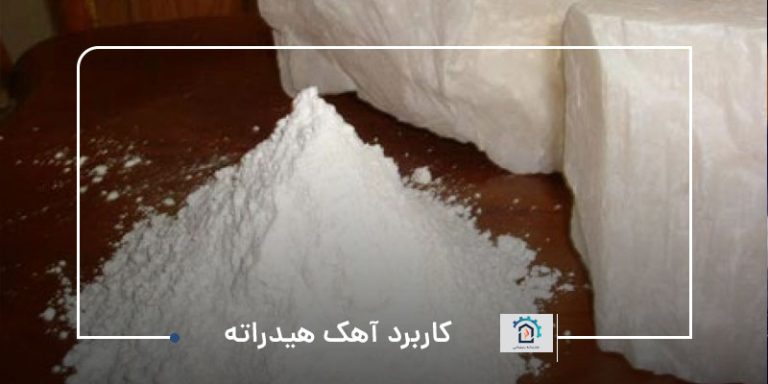
Hydrated Lime
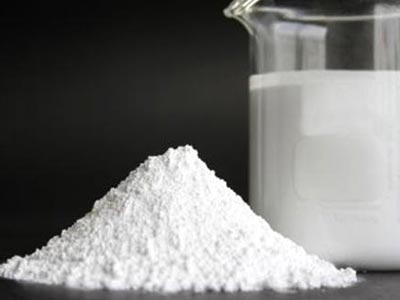
Hydrated lime Ca(OH)2 is a dry powder produced by combining quicklime with a sufficient amount of water to satisfy the quicklime’s natural affinity for moisture. The process converts CaO to Ca(OH)2. The amount of water required in hydrated Lime depends on both the particular characteristics of the quicklime and the type of hydrating equipment available. Hydrated lime easily forms as a suspension or slurry and is often pumped to multiple process locations within industrial plants. The resulting solution of hydrated lime is strongly alkaline, having a pH of 12.4. Most hydrated limes contain approximately 75% CaO and 25% H2O.
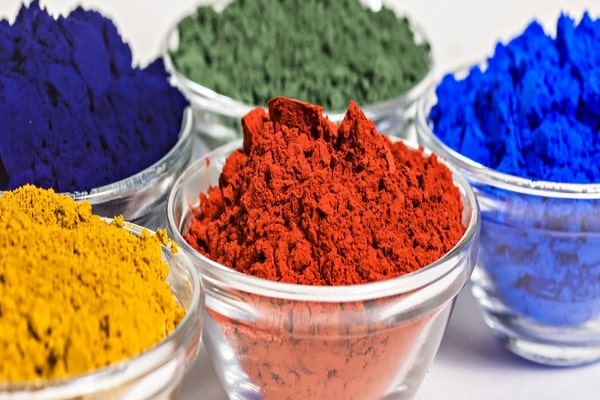
Iron Oxide
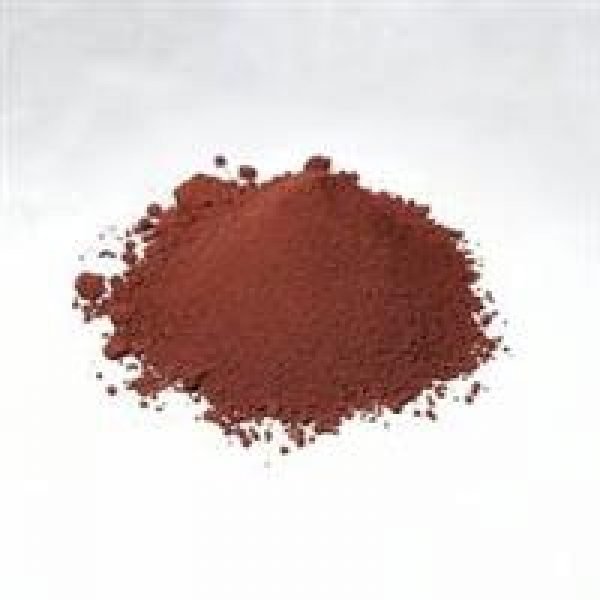
Iron oxide is a chemical compound formed of iron and oxygen. A total of about 16 types of iron oxide and oxy hydroxide are present. Iron oxide is the chemical compound with formula Fe3O4. It occurs in nature as the mineral magnetite. It is one of a number of iron oxides, the others being iron(II) oxide (FeO), which is rare, and iron oxide (Fe2O3) also known as hematite. Iron Oxide plays an important role in many natural biological and geological processes and is widely used by humans as iron ore, pigment, and catalyst in thermite. Red iron oxide with chemical formula (fe2o3), which is commonly found in the form of hematite in color, has a dark red color that is round or honey.
