


Mineral
19 products
Pro-Chemicals
19 products
Polymers
2 products
Chemicals
18 products
Bitumen
7 products
Slack Wax
4 products
Petroleum Jelly
2 products
Paraffin Wax
13 products
Liquid Paraffin
5 products
Paraffin Wax 3-5%
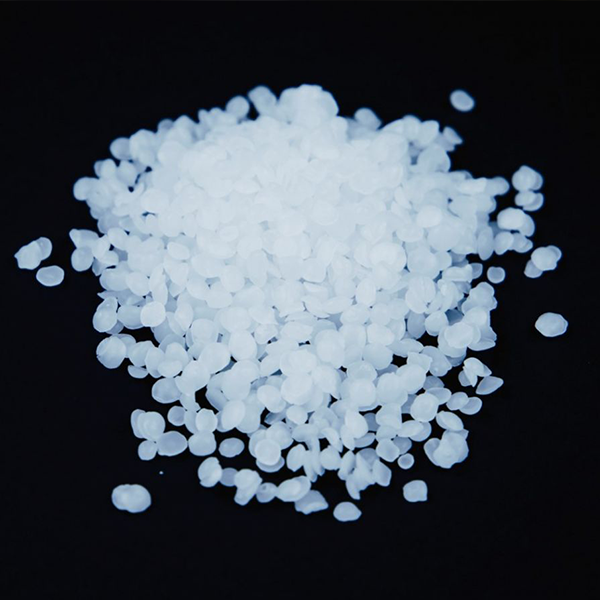
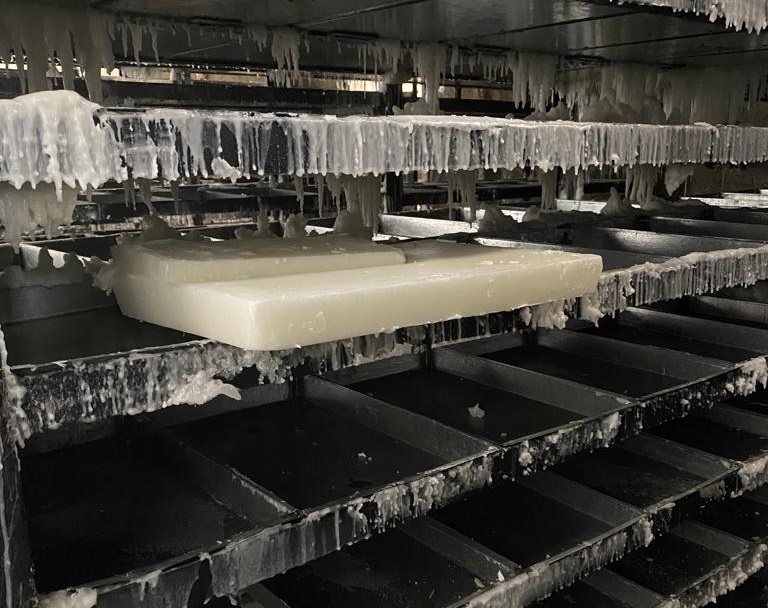
Paraffin wax 3-5%, identifying by semi refined paraffin wax category. The main ingredient of, semi refined paraffin wax 3-5% is light or heavy slack wax. Heavy or light slack waxes as raw material have impression on melting point of paraffin wax 3-5%, between 62 to 66°C. This differences allow to the customers to choose inquired paraffin wax 3-5% according to its own country temperature and location. The heavy one often used in nearest countries to the equator. Paraffin wax 3-5% oil, is transparent, white, too hard, non-odor. Our products are producing by full QC supervision according to the ASTM standard and will be guaranteed by Faragam Petro Tech Company.
Paraffin wax 5-7%
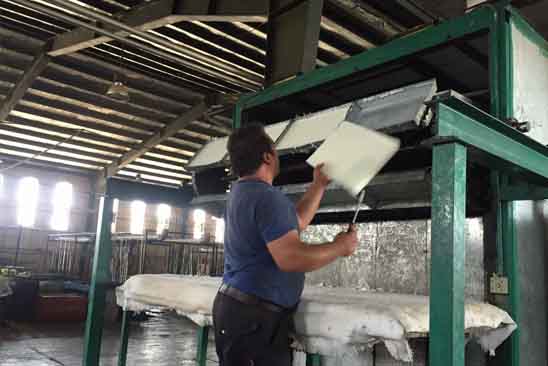
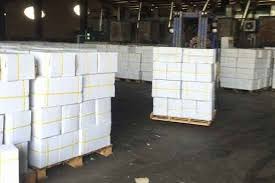
Paraffin wax 5-7%, identifying by semi refined paraffin wax category. The main ingredient of, semi refined paraffin wax 5-7% is light or heavy slack wax. Heavy or light slack waxes as raw material have impression on melting point of paraffin wax 5-7%, between 58 to 65°C. This differences allow to the customers to choose inquired paraffin wax 5-7% according to its own country temperature and location. The heavy one often used in nearest countries to the equator. Paraffin wax 5-7% oil, is transparent, white, too hard, non-odor. Our products are producing by full QC supervision according to the ASTM standard and will be guaranteed by Faragam Petro Tech Company.
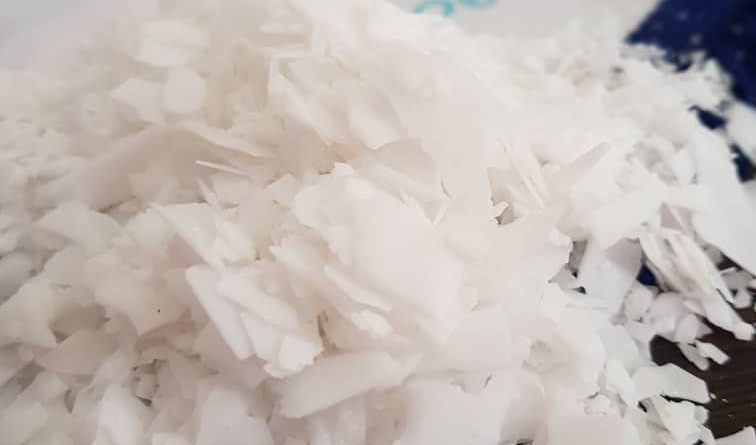
Paraffin Wax Flake | Flake Paraffin Wax
This type of paraffin wax, is extracting from fully refined paraffin wax category by special grinding and so called paraffin wax flake in the market, also. Fully Refined paraffin waxes most commonly used for taking Flake, such as fully refined paraffin wax up to 0.5% oil, fully refined paraffin wax 0.5-1% oil, also, paraffin wax 1-1.5% oil and paraffin wax up to 2% oil are using to make Paraffin wax Flake. Paraffin wax Flake, is grind to tiny particles, transparent, white, too hard, non-odor. Our products are producing by full QC supervision according to ASTM standard and will be guaranteed by Faragam Petro Tech Company.
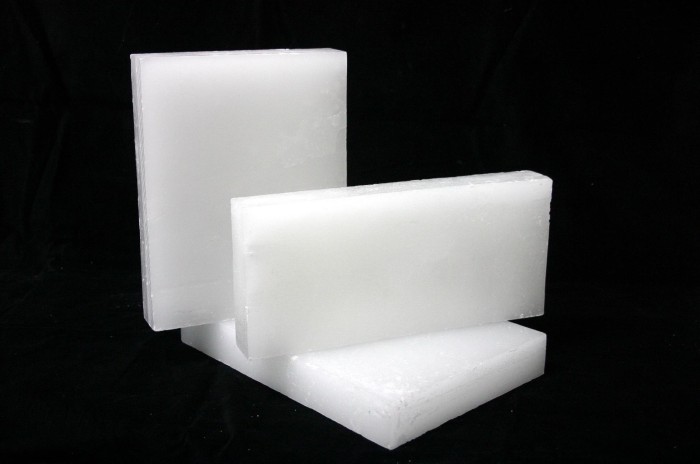
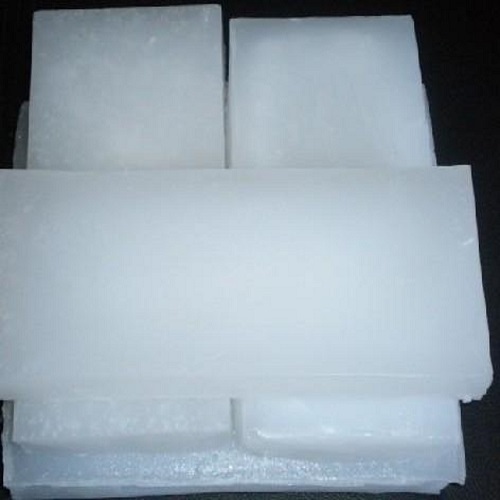
Paraffin wax Max 1%
Paraffin wax Max 1%, identifying by fully refined paraffin wax category and so called crystal paraffin wax in the market, also. The main ingredient of, PaMax 1%, is heavy slack wax and the final product will be taken by sweetening method. Paraffin wax Max 1% oil, is transparent, white, too hard, non-odor. Our products are producing by full QC supervision according to ASTM standard and will be guaranteed by Faragam Petro Tech Company.
PEG 300
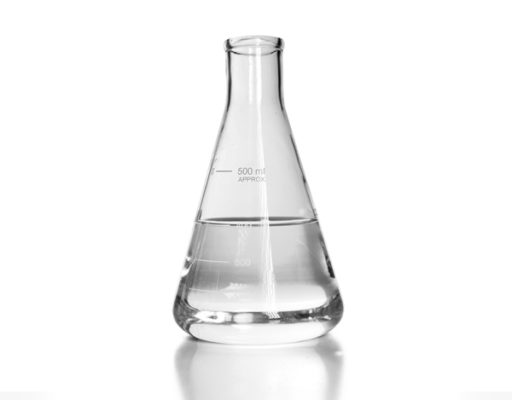
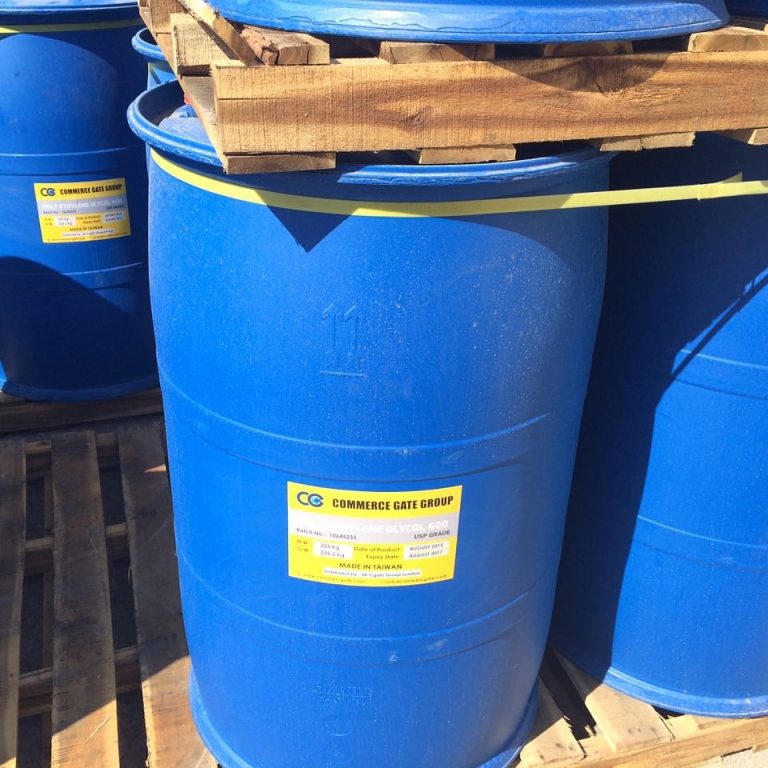
PEG 300 (Polyethylene glycol 300) is condensation polymers of ethylene oxide and water with the general formula OH n(OCH2CH2) H. This polymer is the most important commercial type of polyether. PEG 300 is colorless, odorless, viscous liquid with a melting point of about 10-C (diethylene glycol), while polymerized compounds with a molecular mass of more than 1000 are waxy solids with a melting point of about C ˚67 (for n = 180). PEG 300 has diverse applications, while their chemical properties are almost similar. PEG 300 is soluble in water, methanol, benzene and dichloromethane and insoluble in diethyl ether and hexane.
PEG 4000
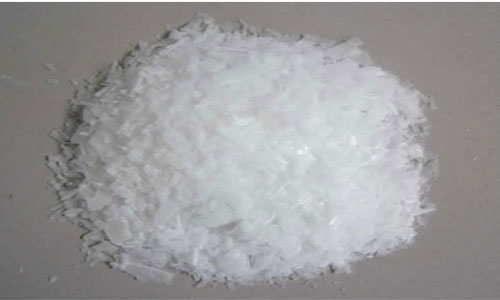
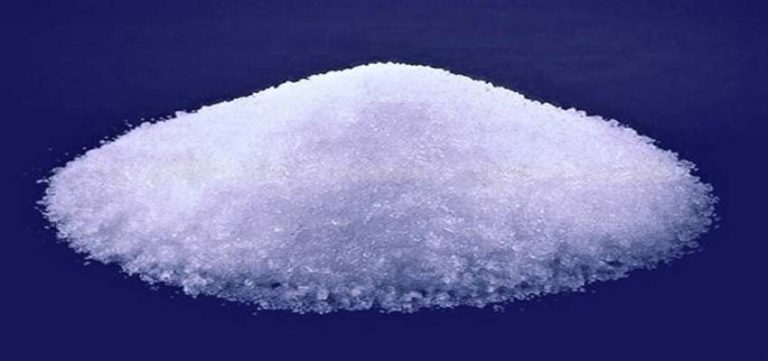
PEG 4000 (Polyethylene Glycol 4000) is a molecular grade of polyethylene glycol. PEG 4000 is a waxy solid with a melting point of approximately 60°C. Due to its low toxicity, PEG 4000 is widely used in various pharmaceutical formulations. Polyethylene glycols are produced from liquid ethylene oxide and water and have different derivatives.
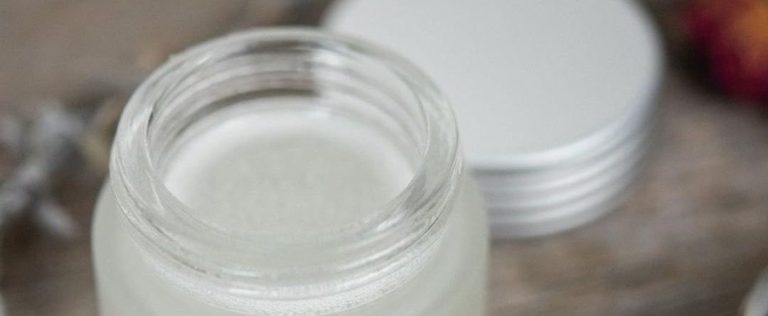
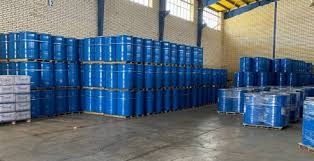
Petroleum Jelly Cosmetic Grade
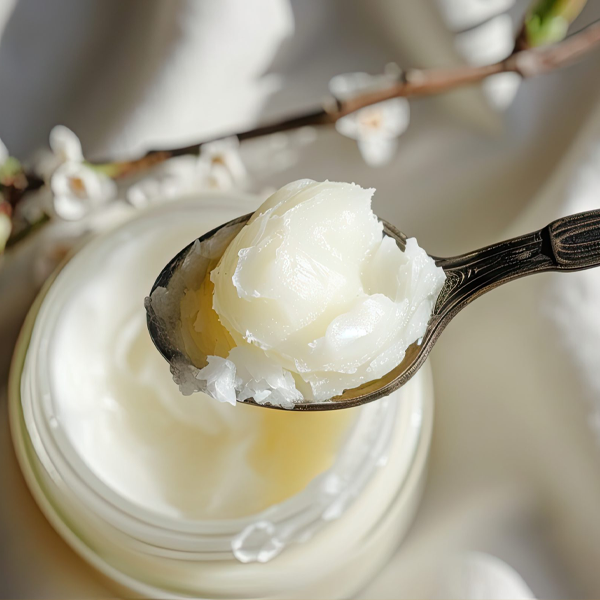
Petroleum Jelly Cosmetic grade (Vaseline) is made up of pure petroleum jelly which contain minerals and micro crystalline wax so it is smoother.
Petroleum Jelly Cosmetic grade (Vaseline), is used as the basis for making cosmetics. It not only, hurt the body skin, but also make it fresh and help to skin hydrotherapy. Our cosmetic petroleum jelly is producing under BP and PH.EUR standards, consideration.
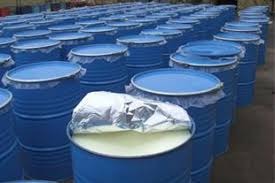


Poly Aluminum Chloride (PAC ) Liquid
The coagulation process has a special place in the purification process. Aluminum sulfate (alum) and chlorofibre are the most common primary coagulants used in water purification to remove turbidity. In recent years, Poly Aluminum Chloride (PAC) has been widely used as a substitute for two old aluminum sulfate and chlorophyll copolymers. Poly Aluminum chloride (PAC) has now become one of the most common coagulants used in water purification in many countries .
Poly Aluminum Chloride (PAC) Powder
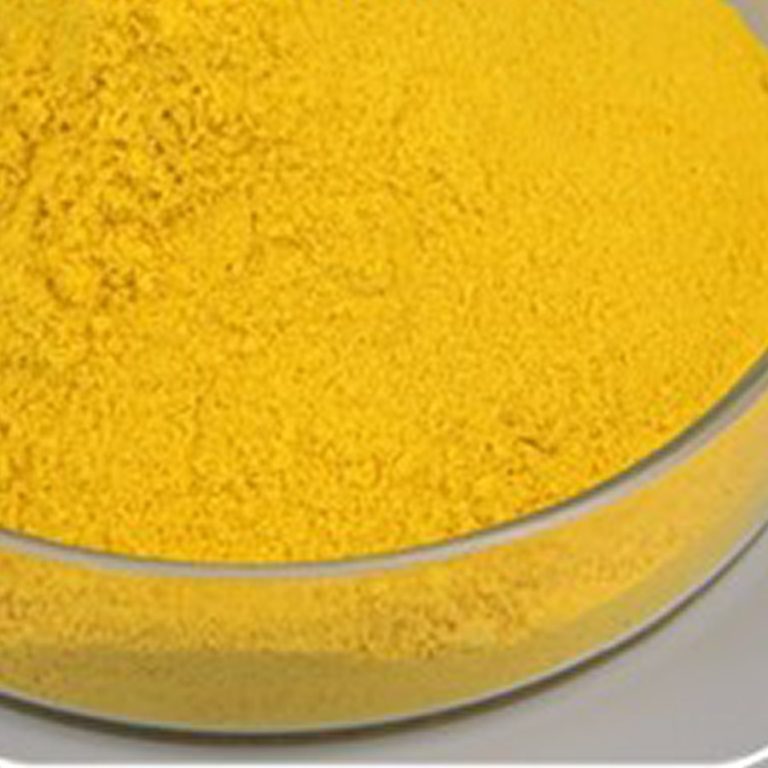
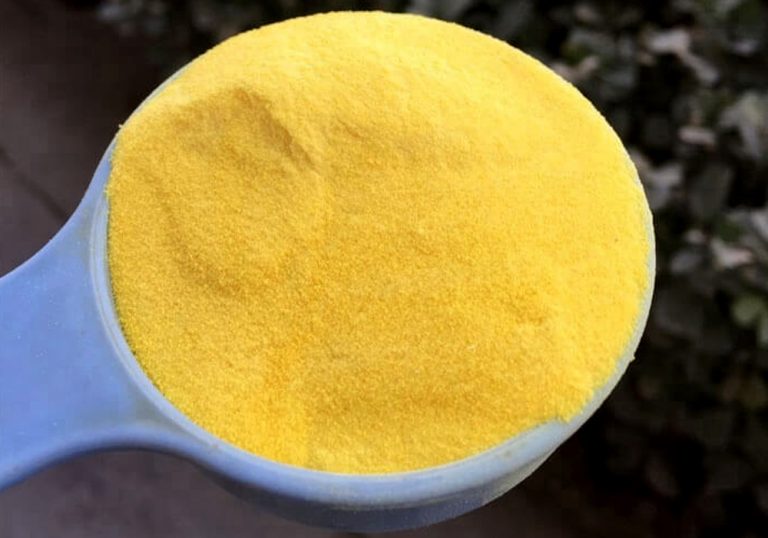
The coagulation process has a special place in the purification process. Aluminum sulfate (alum) and chlorofibre are the most common primary coagulants used in water purification to remove turbidity. In recent years, Poly Aluminum Chloride (PAC) has been widely used as a substitute for two old aluminum sulfate and chlorophyll copolymers. Poly Aluminum chloride (PAC) has now become one of the most common coagulants used in water purification in countries such as the United States, Canada, China, Italy, France and the United Kingdom.
Polyethylene Glycol
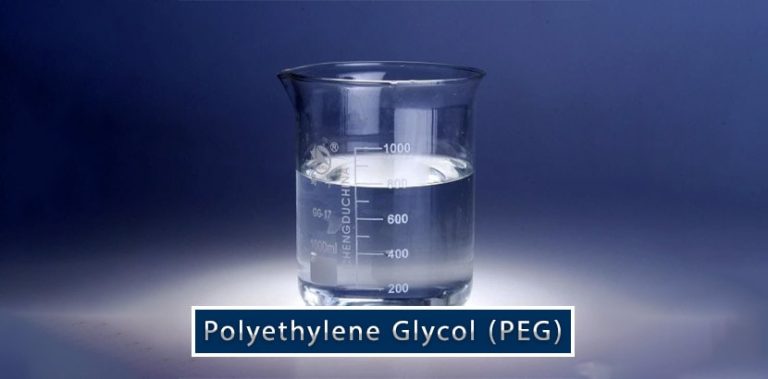
Polyethylene Glycol (PEG) is a polyether compound with many applications from industrial manufacturing to medicine. PEG is also known as polyethylene oxide (PEO) or polyoxyethylene (POE), depending on its molecular weight. The structure of PEG is commonly expressed as H−(O−CH2−CH2)n−OH. Polyethylene Glycol or PEG has been examined extensively as a drug-delivering vehicle because of its solubility in both organic and hydrophilic solvents. In contrast to many other synthetic polymers, Polyethylene Glycol (PEG) is relatively hydrophilic and can be conjugated to other polymers to make them less hydrophobic. Increasing surface hydrophilicity allows for cell adhesion and proliferation on biomaterial scaffolds by preventing protein adsorption, a process by which proteins denature and adhere to the outer layer of biomaterials.
Polyethylene wax
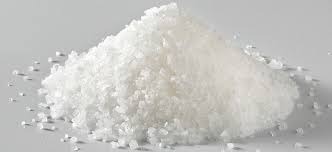
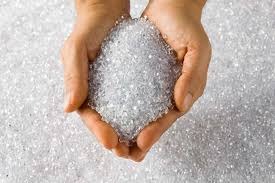
Polyethylene wax / PE Wax, act as activator and dispersing material for Polyethylene, Polypropylene, ABS resins.
Waxes are mainly dispersions of polyethylene’s hydrocarbons, or vegetable and animal Waxes in the vehicle system used. They impart slip and scuff resistance to ink films.Our Polyethylene wax is super dry, white.Lately, polyolefinic waxes are also used directly in micro-pulverised form. The addition of Polyethylene wax to hydrocarbon waxes increases the melting points of Such waxes to a marked degree. Polyethylene waxes are compatible with petroleum and other Waxes. Our products are producing by full QC supervision according to ASTM standard and will be guaranteed by Faragam Petro Tech Company.
