


Mineral
Pro-Chemicals
Polymers
Chemicals
Bitumen
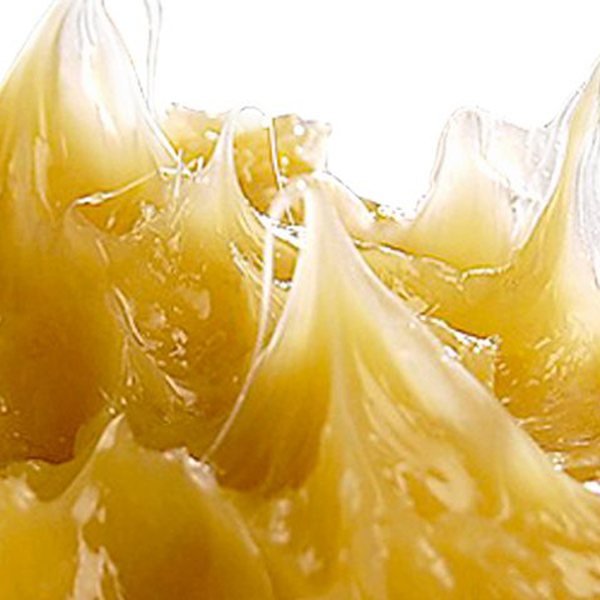
Slack Wax
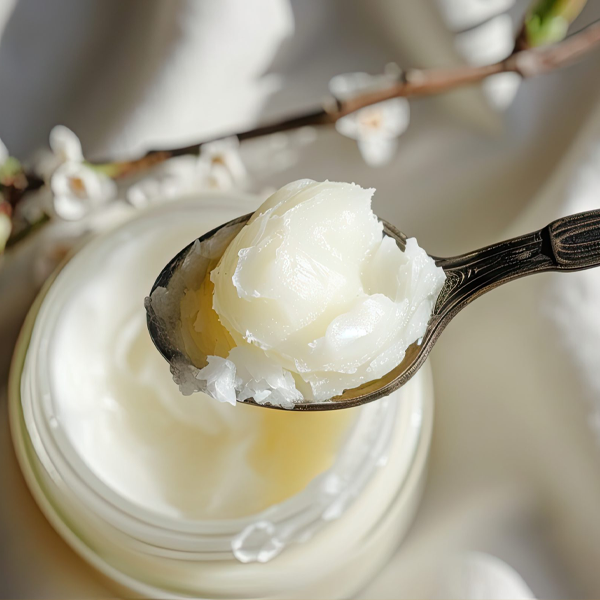
Petroleum Jelly
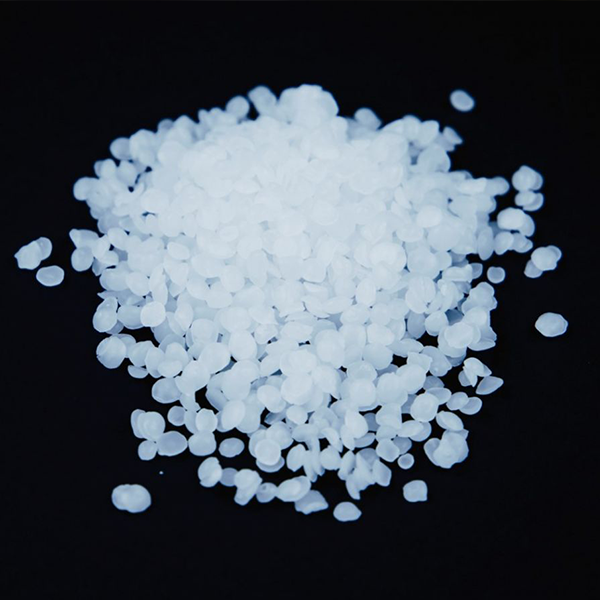
Paraffin Wax
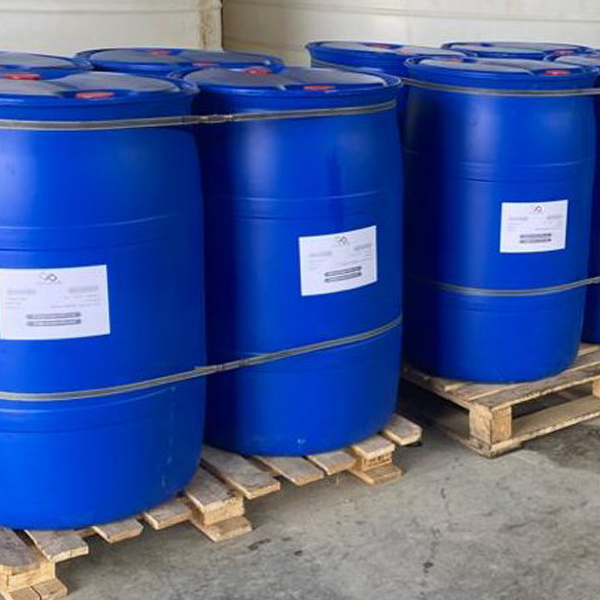
Liquid Paraffin
Ferric Chloride
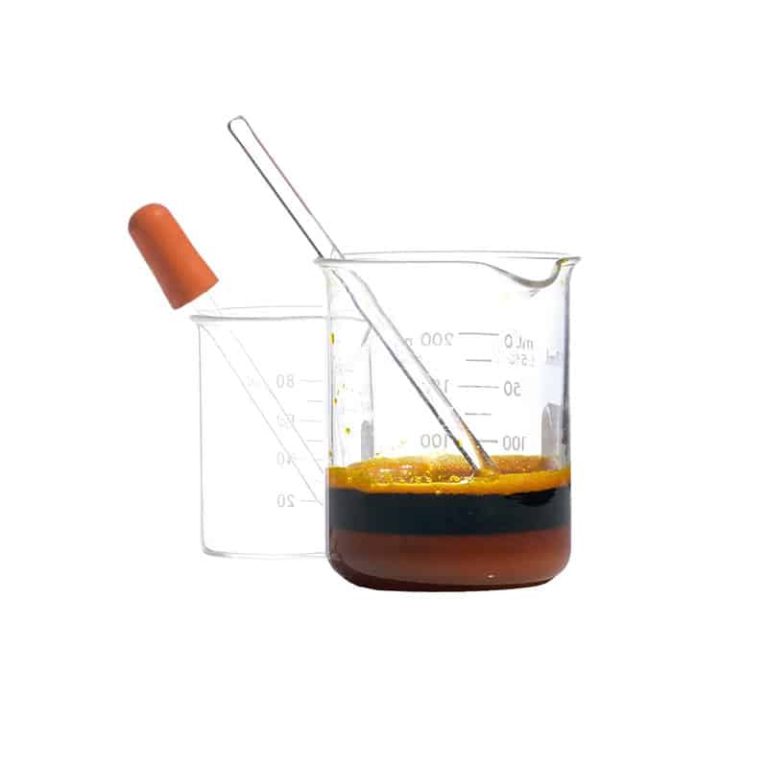
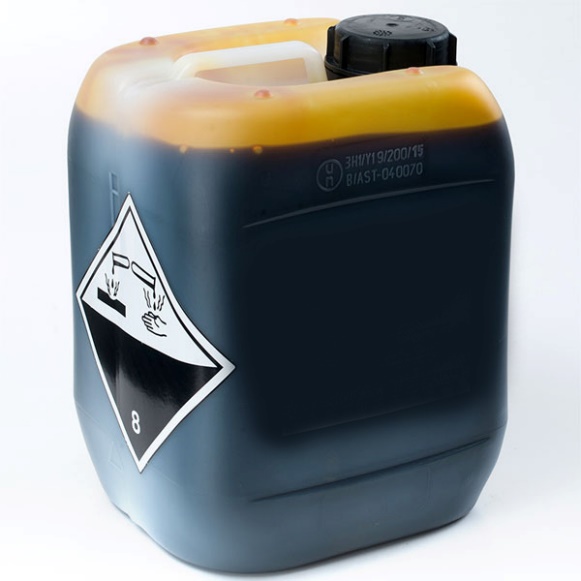
Ferric chloride, also called Iron (III) chloride is an industrial scale commodity chemical compound, with the formula FeCl3 and with iron in the +3 oxidation state. Color of Ferric Chloride is dark green to brown according to the transmitted light and viewing angle. Ferric Chloride liquid is produced from the combination of chlorine and iron or its derivatives (chloride acid).
Fluorspar
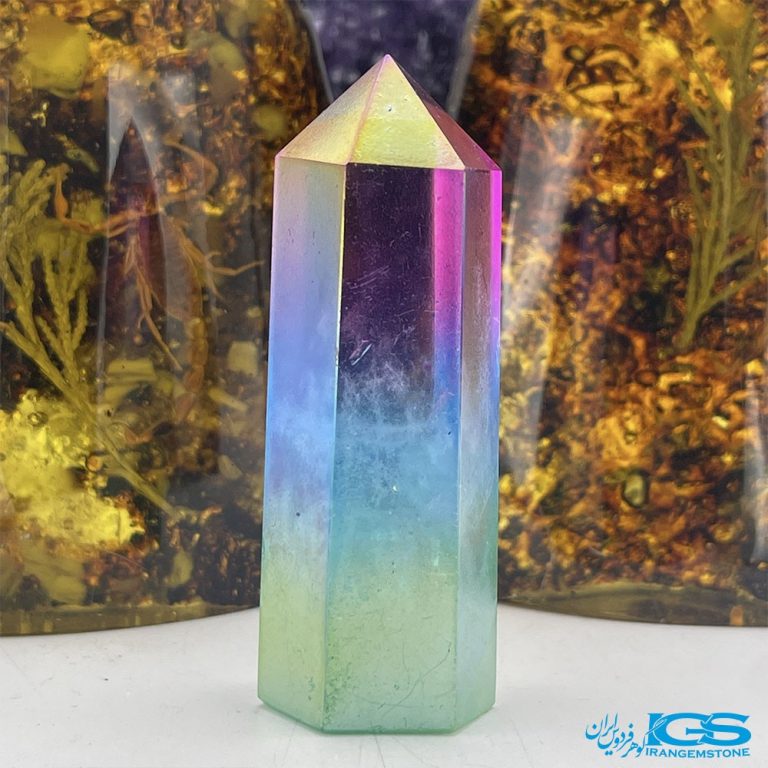
Fluorspar, often called fluorite in the trade, is a mineral with a combination of calcium and fluoride, or in other words, calcium fluoride (CaF2), which is mistakenly called fluorine. The name of Fluorspar is derived from the Latin word fluor (flow) and refers to its low melting point and its initial use in metallurgy as a smelter. Fluorspar lumps exist in nature and are extracted from various mines around the world and used after processing in various industries.
Fluorspar was used by the Greeks and Romans for decorative purposes such as vases, cups and decorative utensils. In cultures of different nations, such as the Chinese and Native Americans, colored pottery ornaments and sculptures were carved from large crystals. The use of Fluorspar flourished with the growth of the steel, aluminum, chemical, and ceramic industries, especially Fluorspar used during the First and Second World Wars.
Fly Ash
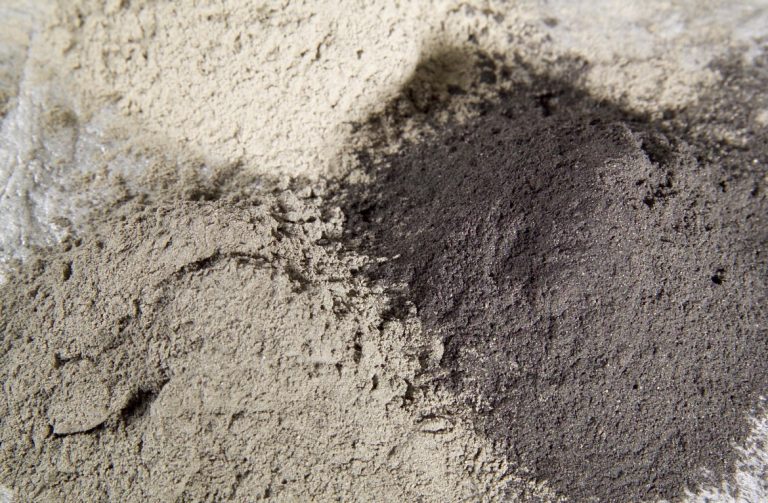
Fly ash is a residue of fuel emissions from coal or non-plastic kilns and thermal power plants with coal fuel. Dust and gases emitted from the fuel are controlled by special filter bags or electrostatic precipitators . The Fly ash contains a high percentage of heavy metal oxides such as silicon, iron, calcium, magnesium and aluminum. Due to its chemical properties, Fly Ash is a good alternative to part of the cement used in the concrete industry. Cement is produced by heating clay and limestone. The cement production process releases 5 to 15 tons of carbon dioxide into the atmosphere. They are looking for solutions to reduce the carbon pollution caused by cement production. Therefore, the use of waste and recycled materials such as Fly Ash has flourished in concrete construction.
Gilsonite 0-5%
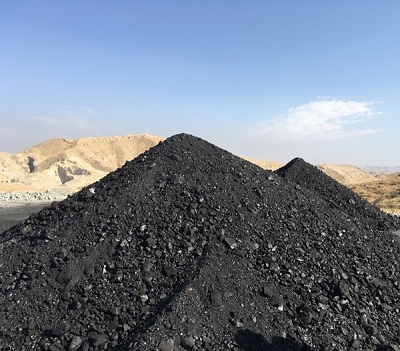
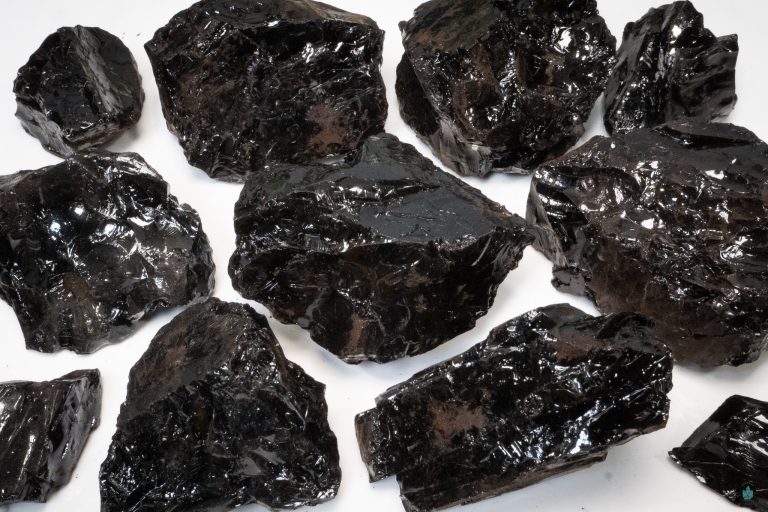
Gilsonite 0-5% is extracting from related mine which has the best quality natural bitumen and forwarding to the factory for crushing to finer Gilsonite lumps or Natural Bitumen powder.
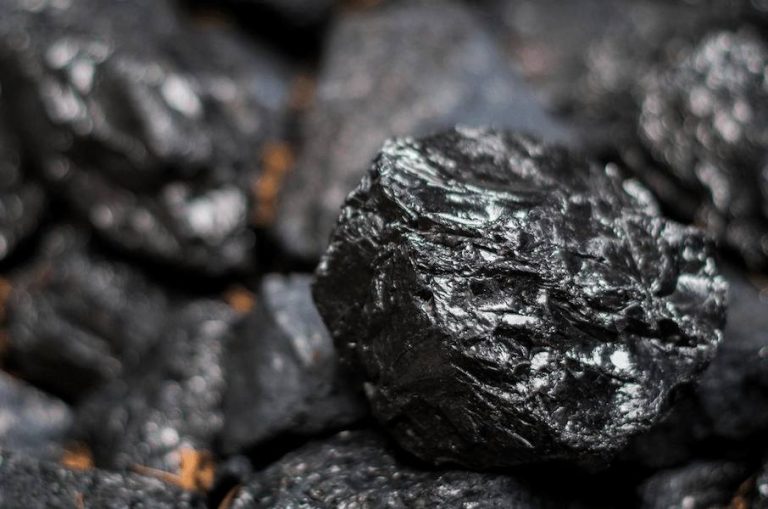
Gilsonite 10-15%
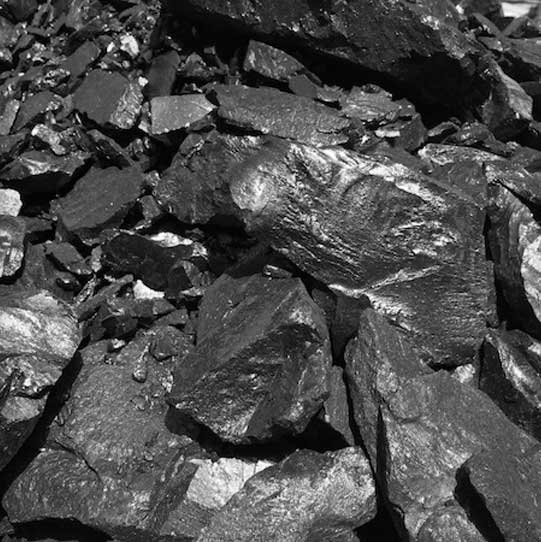
Gilsonite 10-15% is extracting from related mine which has the best quality natural bitumen and forwarding to the factory for crushing to finer Gilsonite lumps or Natural Bitumen powder.
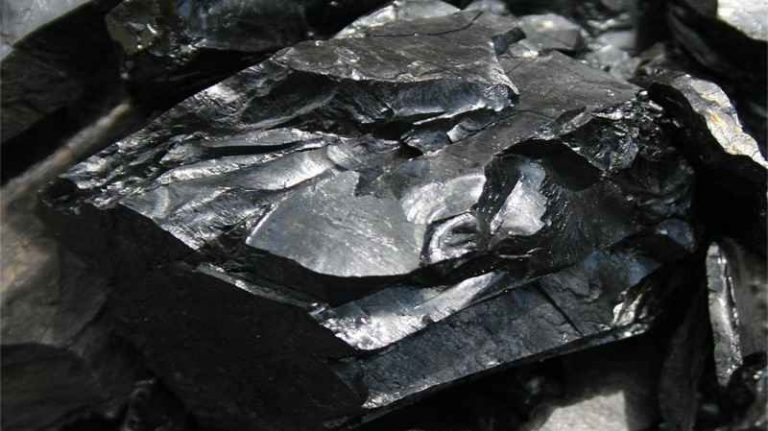
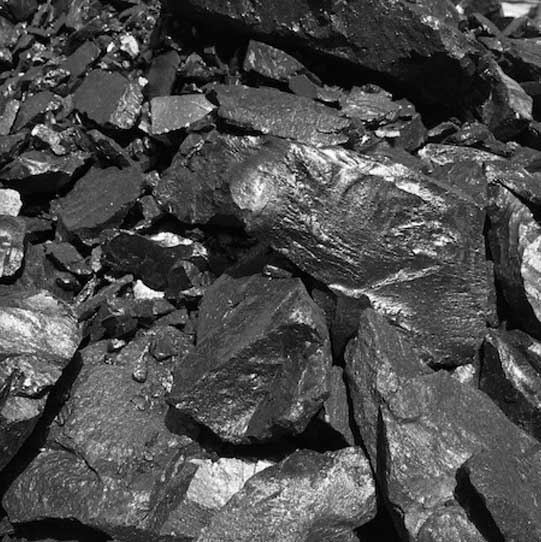
Gilsonite 5-10%
Gilsonite 5-10% is extracting from related mine which has the best quality natural bitumen and forwarding to the factory for crushing to finer Gilsonite lumps or Natural Bitumen powder.
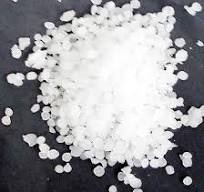
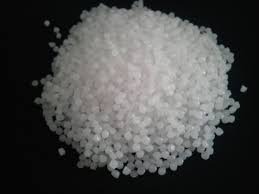
Granule Paraffin Wax
Granule Paraffin wax 1.5%, is producing from Paraffin wax 1.5% or in combination with paraffin wax and other performance additives.
Granule Paraffin wax 1.5% are made up of saturated hydrocarbons possessing a fine-grained crystal structure which renders them much more flexible than paraffin waxes. Granule Paraffin wax Colors available range from white through yellow to dark brown in appearance. Our Granule Paraffin Wax is producing by full QC supervision according to ASTM standard and will be guaranteed by Faragam Petro Tech Company.
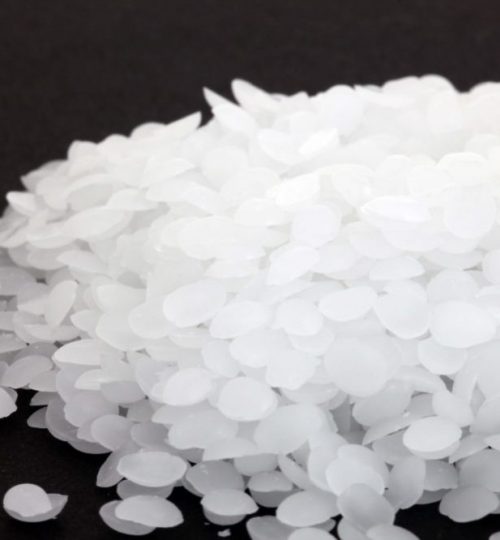
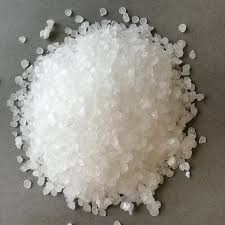
Granule Paraffin Wax Max 3%
Granule Paraffin Wax Max 3%, is providing from semi refined Paraffin Wax Max 1-3% oil or in combination with paraffin wax and other performance additives.
Granule Paraffin Wax Max 3% is made up of saturated hydrocarbons possessing a fine-grained crystal structure which renders them much more flexible than paraffin waxes. Granule Paraffin Wax Colors available range from white through yellow to dark brown in appearance. Our Granule Paraffin Wax is producing by full QC supervision according to ASTM standard and will be guaranteed by Faragam Petro Tech Company.
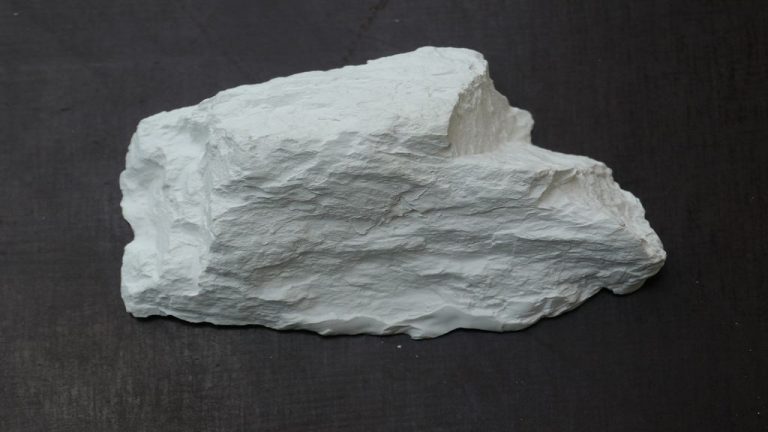
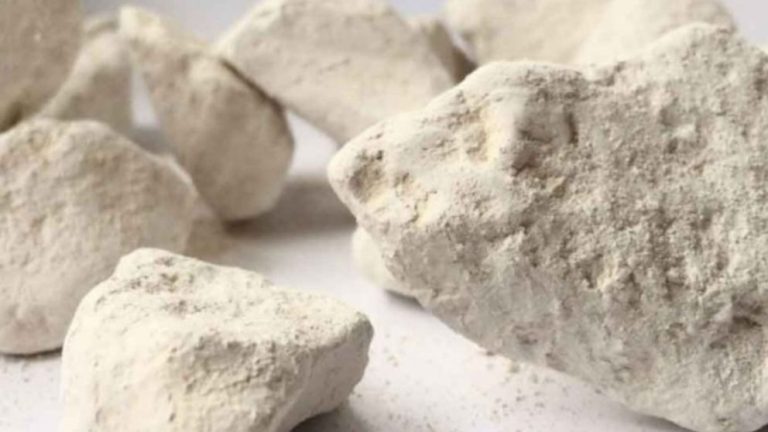
Gypsum
Gypsum is an mineral most commonly found in layered sedimentary deposits in association with halite, anhydrite, sulfur, calcite, and dolomite. Gypsum (CaSO4.2H2O) is very similar to Anhydrite (CaSO4). The chemical difference is that gypsum contains two waters and anhydrite is without water. Gypsum is the most common sulfate mineral.
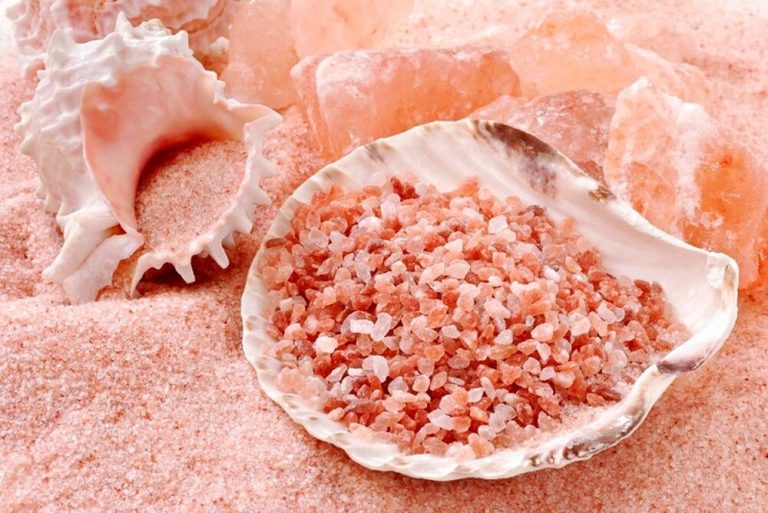
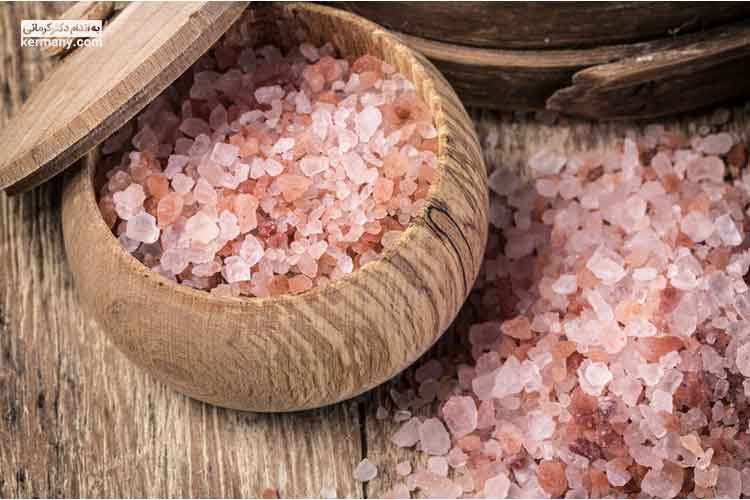
Himalayan Salt
Himalayan salt is rock salt (halite) that often has a pinkish tint due to mineral impurities.
Himalayan salt is chemically similar to table salt. Himalayan salt often contains trace amounts of iron oxide (rust), It also has small amounts of calcium, iron, potassium and magnesium, making it slightly lower in sodium than regular table salt. Many people prefer the flavor of Himalayan salt over other types.
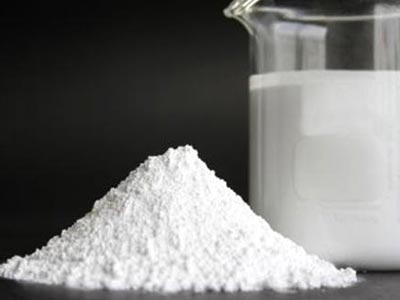
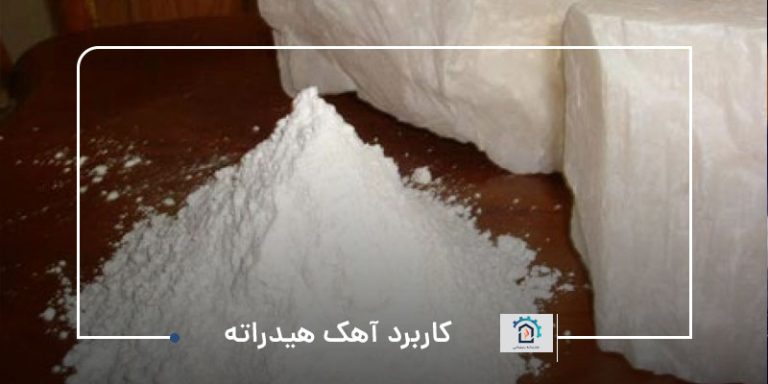
Hydrated Lime
Hydrated lime Ca(OH)2 is a dry powder produced by combining quicklime with a sufficient amount of water to satisfy the quicklime’s natural affinity for moisture. The process converts CaO to Ca(OH)2. The amount of water required in hydrated Lime depends on both the particular characteristics of the quicklime and the type of hydrating equipment available. Hydrated lime easily forms as a suspension or slurry and is often pumped to multiple process locations within industrial plants. The resulting solution of hydrated lime is strongly alkaline, having a pH of 12.4. Most hydrated limes contain approximately 75% CaO and 25% H2O.
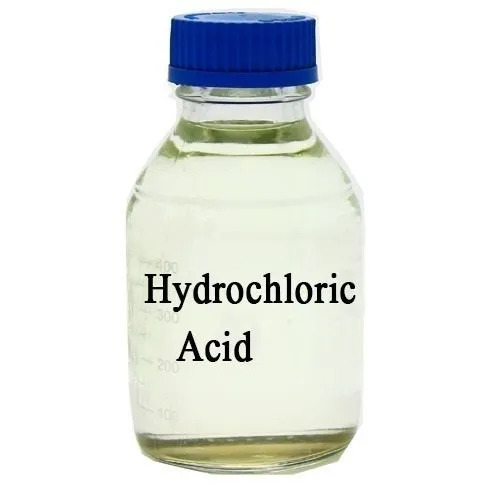
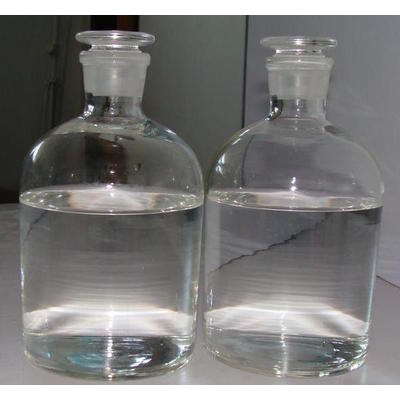
Hydrochloric acid (HCl 33%)
Hydrochloric acid is a corrosive, strong mineral acid with many industrial uses. A colorless, highly pungent solution of hydrogen chloride (HCl) in water, when it reacts with an organic base it forms a hydrochloride salt. Hydrochloric acid was known to alchemists as spirits of salt or acidum salis (salt acid).
