


Mineral
19 products
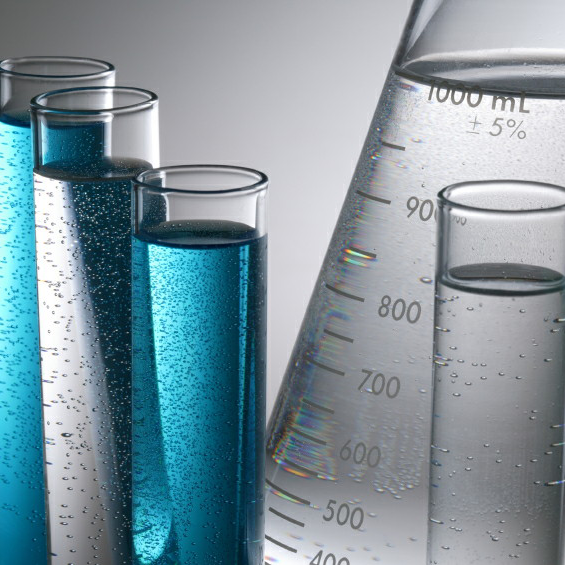
Pro-Chemicals
19 products

Polymers
2 products

Chemicals
18 products
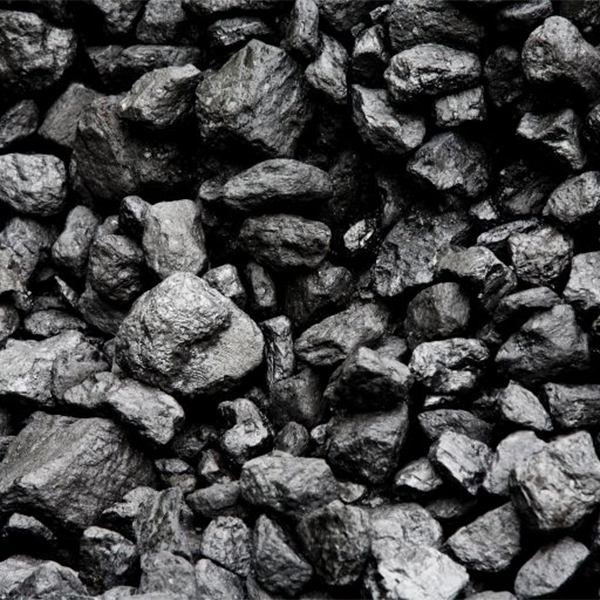
Bitumen
7 products
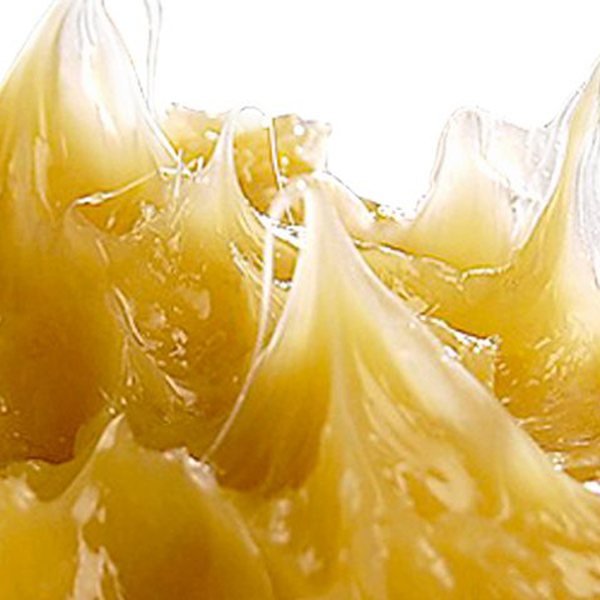
Slack Wax
4 products
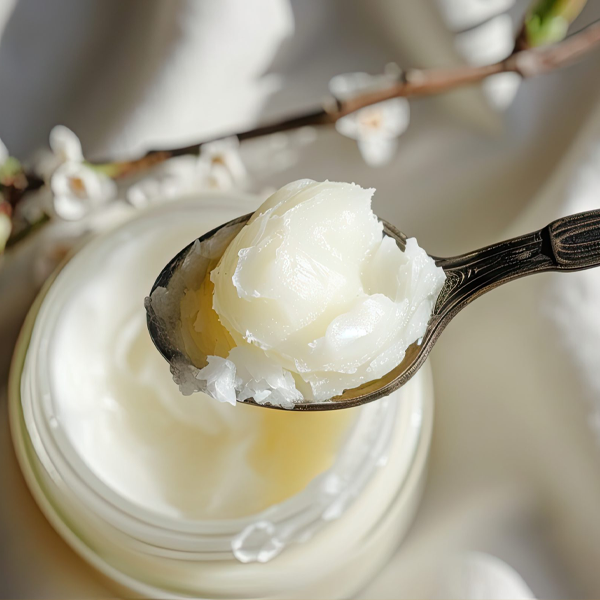
Petroleum Jelly
2 products
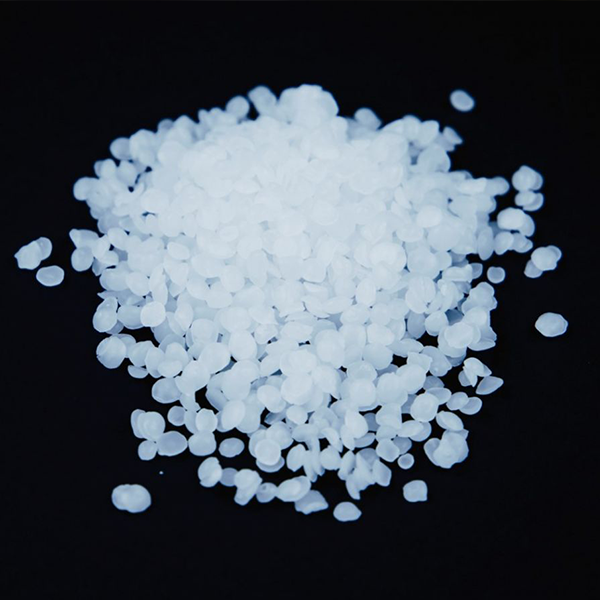
Paraffin Wax
13 products
Liquid Paraffin
5 products
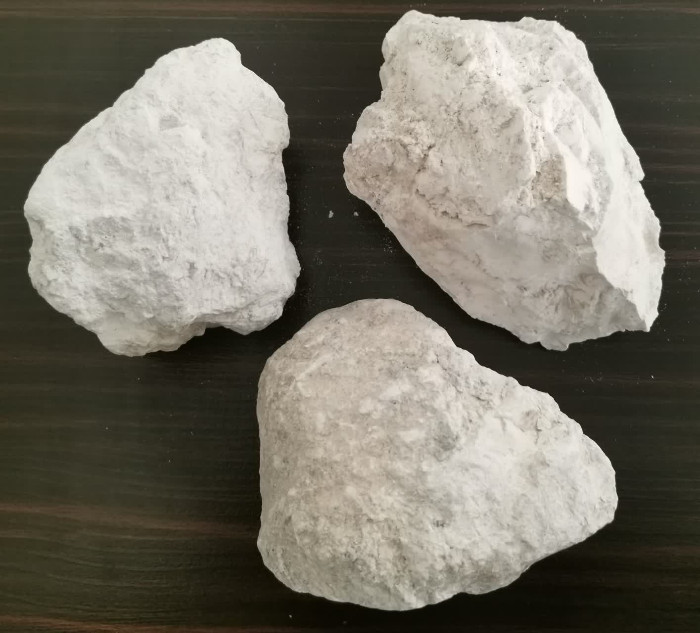
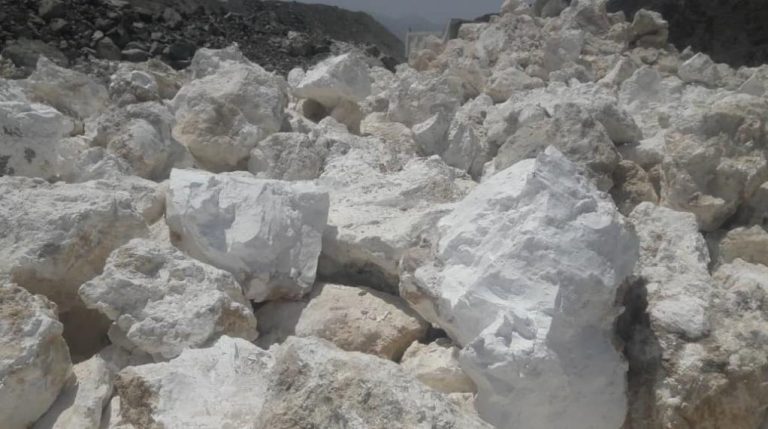
Magnesite
Magnesite with the formula MgCO3 is known to be the most important and valuable mineral of magnesium. The mineral crystallizes as a member of the carbonate group in the trigonal system, the Scalenoidric class. Magnesite rarely seen in the crystalline form and is rhombohedral if formed. Magnesite chemical composition is more than 45% magnesium oxide and more than 50% carbon dioxide. Magnesite may substitute for some magnesium, which, when iron is increased, its chemical composition shifts to siderite. Some calcium and manganese may also be found in its composition.Magnesite structure is similar to calcite. Magnesite minerals are white, gray, yellow with white soil and glassy to matte
Magnesium Chloride
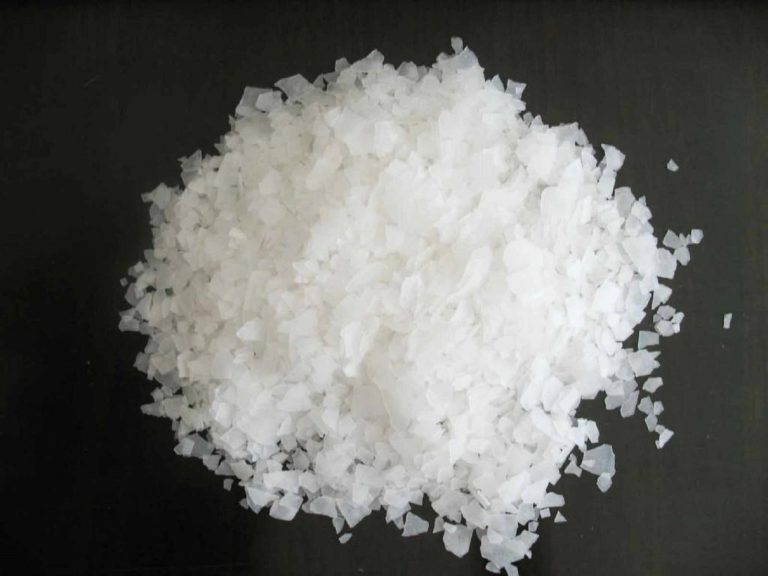
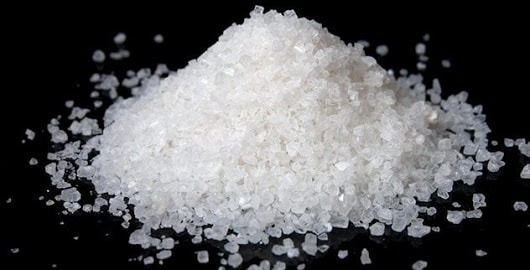
Magnesium chloride is the name for the chemical compound with the formula MgCl2 and its various hydrates MgCl2(H2O)x. These salts are typical ionic halides, being highly soluble in water. Our magnesium chloride has 6 H2O molecules or hexahydrate. Magnesium chloride is white crystals and absorbing humidity, rapidly.
Microsilica
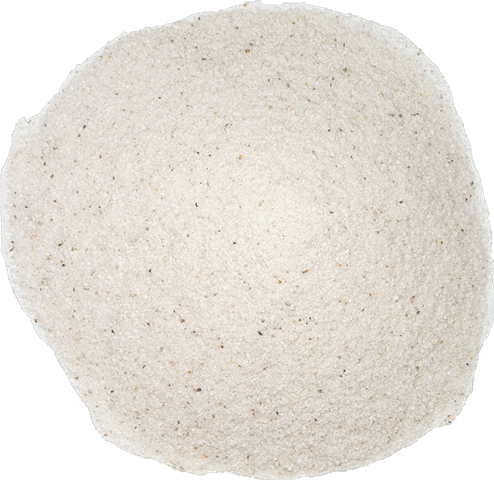
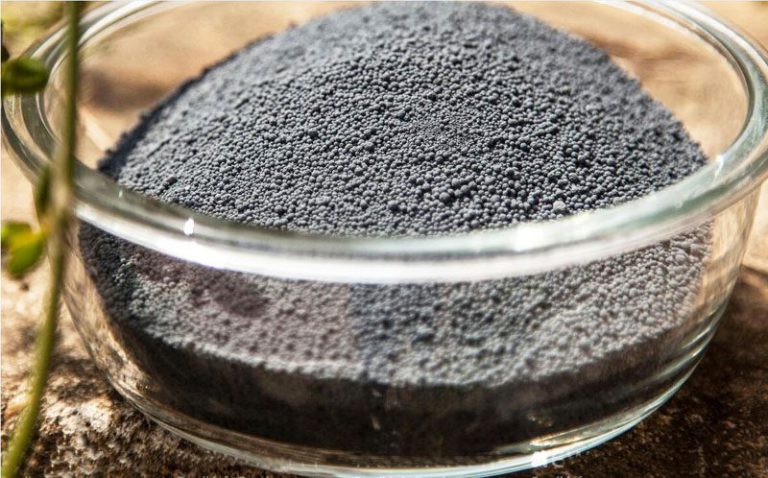
Microsilica is a super-pozzolan that, if applied correctly, has a very significant effect on the strength and durability of concrete devices. Microsilica in concrete heating is largely due to the same mechanisms that increase the durability and strength of concrete, in fact, the filling properties and pososolan reaction of microsilica can reduce the heat build up of concrete. The heating of one gram of microsilica is more than one gram of normal Portland cement, and in some cases more than twice that. But higher resistivity of microsilica (2 to 4 times the cement) allows reducing the total amount of concrete materials to achieve a certain resistance, and thus using microsilica can reduce the heat-generating properties of concrete. Microsilica is an ancillary product of the glass manufacturing process. Due to its unique properties, Microsilica today has a great place in concrete production. The use of microsilica powder, especially in coastal areas or areas where concrete requires special protection against corrosion, is expanding.
Sodium Sulfate
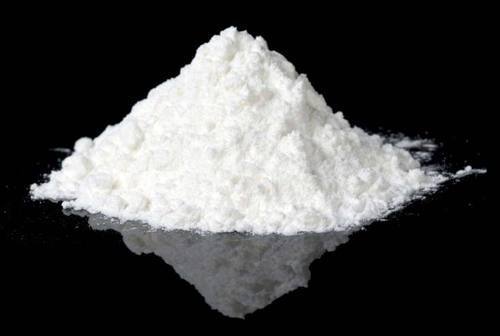
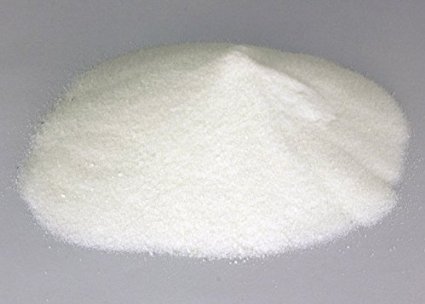
Sodium sulfate, also known as sulfate of soda, is the inorganic compound with formula Na2SO4 as well as several related hydrates. All forms are white solids that are highly soluble in water. Decahydrate sodium sulfate, known as the mineral mirabilite, widely used by chemical industry. Anhydrous sodium sulfate, known as the rare mineral thenardite, used as a drying agent in organic synthesis It is also known as Glauber’s salt. Sodium Sulfate mainly used for the manufacture of detergents and in the kraft process of paper pulping.
Sulphur | Sulfur
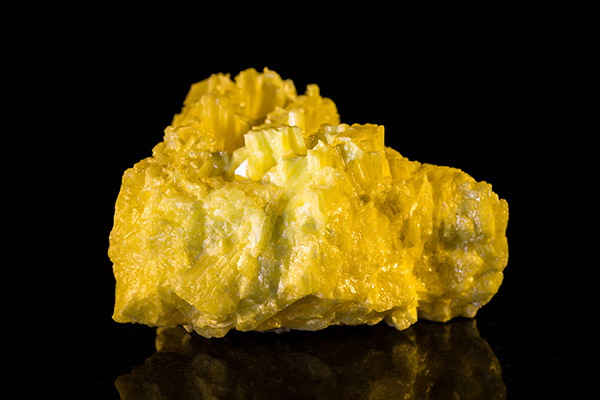
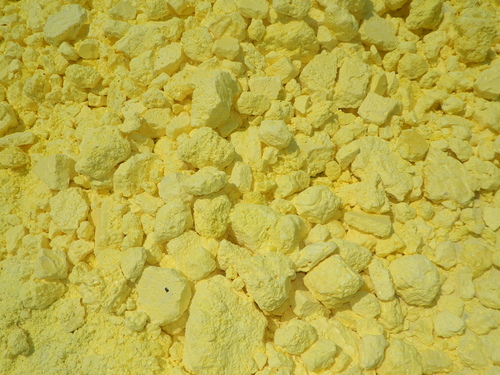
Sulfur (SiO2) is extracted from mines by 20-30% purity, absorbs the micronutrients in the soil and fertilizes your agricultural land and your gardens that are unavailable and unconsolidated in the soil. Sulphur Reduces PH and EC (salinity) in soil and livestock and poultry manure. Sulfur/ SiO2 in Disposal of ammonia gas in bird fertilizers eliminates the accumulation of non-protein nitrogen and reduces the accumulation of nitrates, eliminating the color of yellow and pallor in leaves. Sulphur is the young dissolves and liberates micro and macro elements in the soil to disinfect and mitigate pests (aphids and mildew) and eliminate ticks and other plant pests and microbial and fungal diseases such as whitefish, Roses, White Rocks, Squirrels, and Fruit Smoothies.
Tin Oxide
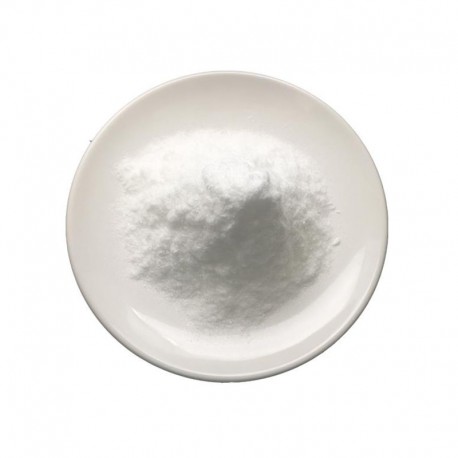
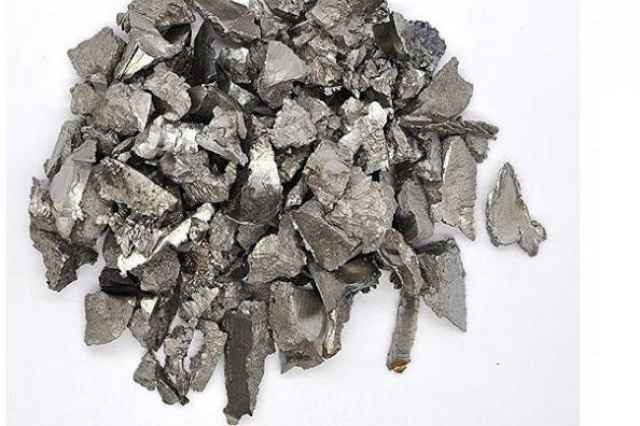
Tin oxide or stannic oxide that known with chemical formula SNO2 is one of the most important semiconductor (Eg=3.6 eV) . Tin oxide can be used as photo catalyst for degradation of organic compounds. Tin oxide is an inorganic compound consisting of Tin and Oxygen. Tin Oxide is commonly used to create customized glass by given transparent glass an opaque, porcelain-like, opaque appearance. Beyond glass, Tin Oxide΄s organic chemical compound also has numerous other uses and applications but care should be exercise when handing Tin oxide.
Zeolite
5.000 ر.ع.
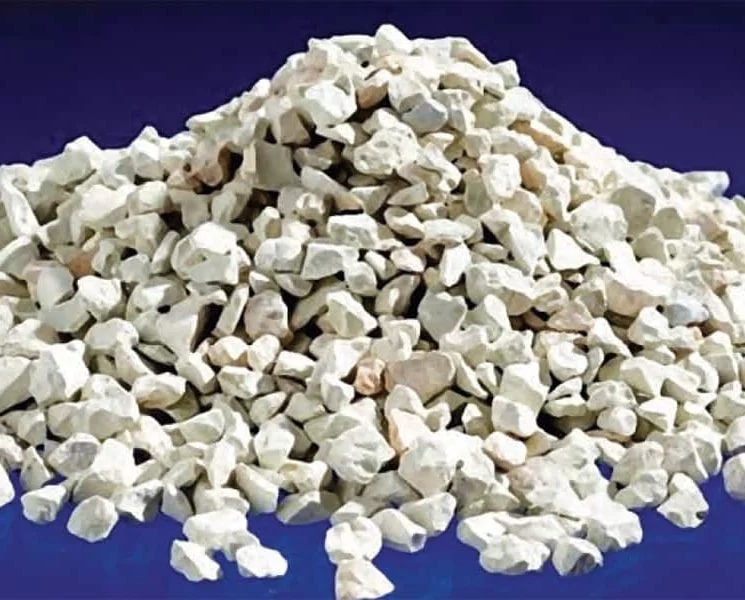
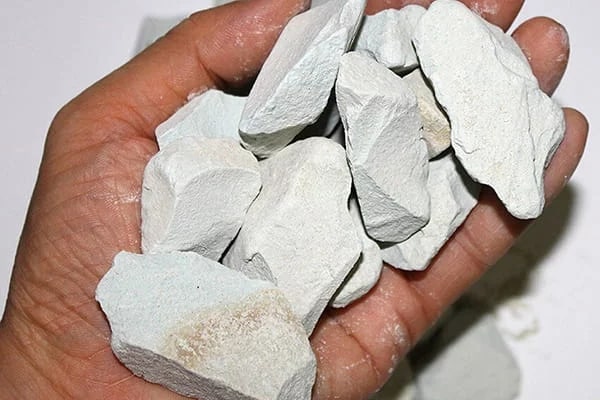
Zeolite is a mineral that was invented in 1756 by the Swedish mineralogist “Axel Fredrik Cronstedt”.The name Zeolite in Greek is composed of the two words “to boil” and “stone”. Zeolites are often used as catalysts in the industry for water treatment, and their most important use is in the manufacture of detergents.The physical and chemical properties of natural zeolites are different , and the uses of synthetic and natural zeolites originate from their physical and chemical properties. Zeolite is producing in 2 different method,Natural Zeolite formation in alkaline and salt lakes Groundwater Open Systems, Soils of alkaline environments and deep marine sediments. Synthetic Zeolites, First dissolve three water molecules and one aluminum oxide molecule in hot sodium hydroxide solution and then mix with sodium silicate, the resulting mixture is transferred to special gel forming tanks. The zeolite crystals begin to crystallize at about 94 ° C from the gel solution.
